



Who Should Start an Indoor Playground Business in 2026?
Across America, indoor play areas keep gaining popularity since parents want clean, dry spots where kids can play without danger. Still, joining this scene isn’t automatically open to everyone starting out. How well it works often ties back to how much the owner does day by day - the way they manage, stay alert to risks, and treat guests matters just as much. Money matters somewhat, yet they do not alone shape success. What this blog offers is clarity - seeing if the business fits what you can truly do well.

Daily Operations Overview
Fresh as the dawn, each day unfolds with different duties for those managing the playzone. Keeping up with team schedules becomes part of the routine, alongside guiding learning drills. Once doors open, attention shifts fully to oversight led by senior leads. Fresh as the morning air - every day brings another tidy task, another look at safety rules. Nothing gets left out, zero exceptions, even those quick assessments we usually skip. A child turning ten could demand attention, much like rushing into a classroom or guiding teens once class ends. Families reaching out need quick replies, plus someone must take responsibility for every step taken.
Financial and Management Responsibilities
Space fills with rent payments, while lights keep workers active on sites. Energy costs get handled through regular billing cycles instead. Safety rules exist to shield individuals during critical moments. Cash arrives in uneven waves - high activity spills over, followed by quiet stretches where flow nearly vanishes. When rhythms change, adjustments follow: recalibrating charges, nudging negotiations, aligning schedules anew. One thing about gear - someone has to think ahead because it won’t last forever. Making a steady income isn’t about big wins alone; it’s more like building quiet strength step by step.
Ideal Profiles: Who Is Most Likely to Succeed?
A number of times, things work out as they should. Most folks doing okay pay attention first - only then do they answer back. When shifts come up, those adjusting smoothly keep the peace inside. What pushes them ahead every morning? A steady drive tied to purpose.
Restaurants & Family-Friendly Dining Spaces
Parents relax more when restaurants have play areas for children. While small kids enjoy themselves, grown-ups feel tension lift, sometimes choosing to linger longer, spending further. Relief comes into view each time chaos softens under lively activities that occupy little ones. When play fills the time, slower exits stop bothering people. Spaces where children can simply be themselves usually draw families back again, while also encouraging nearby chats between parents. Inviting spots like these grab notice among crowded local eateries.
Retail Stores and Shopping Centers
Folks often stick around if shops have play zones built in. Little ones are busy, adults then relax - watch, weigh, pick. Spending time grows; buys tend to be bigger each trip, items are split and carried together. Out in the shopping centers, play areas for kids draw attention. These spots show that stores welcome both children and adults. Because they exist, families go back regularly to those nearby locations.
Museums and Educational Spaces
Fresh air brings learning to life for children. Instead of watching, they touch, touch, touch what surrounds them. Spaces work best when they welcome curiosity without warning. Play-shaped displays make grown-ups feel included, too, especially if little ones arrive in loud groups. Play zones reduce visitor fatigue and increase overall visit duration. This improves satisfaction and repeat attendance among family audiences.
Family Entertainment Centers and Trampoline Parks
Most children’s play areas must satisfy both toddlers and adults, which sometimes causes problems for organizers. Climbing areas designed for safety let tiny kids crawl around while larger attractions hold back until their time comes. Even a parent juggling a newborn alongside older children gets to spend time together under one outing. These days, homes often host people across different age levels. When everyone shows up, numbers climbing inside each dwelling tend to rise too. Kids’ play zones keep crowds hanging around longer than before. That stretch of time translates into more happening on location. Extra earnings flow in because of added offerings popping up here and there.
Churches and Community Centers
Fresh air brings playgrounds to school yards or green spaces near homes. Not just there - some church basements, even small community halls, host similar spots. Joyful moments for children tend to hold parents put just a bit longer. It runs on quiet effort - pulling neighbors in without noise or grand gestures. When no one arrives, others do first, drawn by motion and laughter before the clock hits. Over time, bonds begin stitching together right where they meet. Not only handy locations, but also spots where humans link up as well.

Who Should Think Twice Before Starting?
People Expecting Passive Income
Inside the playground, movement never stops. Each day brings observation, direction of staff, safety checks, and duties tied to one person. Even with team coordinators assigned duties, ownership carries ongoing accountability. Distance adds up fast - when you’re never around, things slip, customers start doubting. It’s not just about being accessible anymore; proximity shapes how people see your role every day. Presence means something else today than it once did.
Owners Without Local Market Research
If a place feels empty, like there are too few homes or laughter after dark, growth slows down. Watching how kids fill hallways or weekends shapes whether things hold together. Borrowing fixes from one town without adjusting for who lives there usually brings strain. If a spot launches, shifting it later runs into trouble. First, check the surroundings well - only after that should you agree on a lease or start setting up.
Operators Unwilling to Invest in Safety and Compliance
Following rules matters - think ASTM or local laws - no getting around them. Skip one step, and problems grow right with what insurance ends up costing. Family trust slips away quickly if safety feels shaky. Broken rules could mean a place closes or faces legal issues. Those in charge at children's centers get it - investing in safety helps children while also ensuring the business stays open.

Personal Skills That Matter More Than Experience
What gets done depends more on personal strength than past jobs. Honest dialogue makes team management simpler, which also calms anxious parents. Policies hold stronger if rules are applied consistently, particularly when time runs short each day. What happens when you pay attention to how folks nearby act? It clicks - adjusting to their ways isn’t just smart, it becomes necessary. With time, careful reflection mixed into real talk with locals creates something lasting. Those in charge tend to speak clearly and move fast when promises are made. What happens near a business often sticks better when people stay committed. Over months, effort shapes places without loud announcements. Past work may carry weight, yet few things shape present results like consistent local involvement.
Spending time with kids and parents every day keeps an indoor playground running smoothly. Talking happens nonstop - parents ask questions, kids want snacks or help finding friends, while adults work to make sure everyone feels included. When the owner actually likes being around families, things tend to go better. People come back more often when they sense real warmth instead of performance. A calm, steady mood sticks around longer if the connection comes naturally.
Startup Readiness Checklist (Self-Evaluation)
Running a team matters just as much as day-to-day control. Scheduling fits here, along with training, watching over safety steps, and handling problems right when they happen. Playgrounds can’t pause - things move fast, decisions need to follow. When operations are well managed, things like consistency, safety, and good service tend to follow.
Weekends matter more when schedules get busy each month. Money often flows better on Saturdays and Sundays, plus holidays and big gatherings. During those times, families need places that understand their rhythm. Staff should expect higher demand then, even if it means shifting private plans. Owners should prepare for busy seasons by prioritizing what guests want most. Working long stretches without a break helps keep stress low. Staying steady through shifts keeps fatigue at bay.
Start by exploring who lives nearby - this sets the base for moving forward. Families need to be concentrated enough so the spot makes sense, money-wise, people tend to fit mid-range budgets, while having few nearby rivals matters too. How parents schedule school, when they gather, plus daily routines, reveal how best to set rates, arrange space, and target messages. Using data in choices helps lower future risks over time.
Staying focused on safety and keeping things running year after year cannot be compromised. Inside children's play areas, constant oversight of setup state, hygiene levels, and rules matters every day. Caring about safety shields kids, lowers legal risk, while strengthening trust from parents. When people treat pet ownership like an ongoing duty instead of just a quick decision, results tend to improve.
How the Right Equipment Partner Makes a Difference
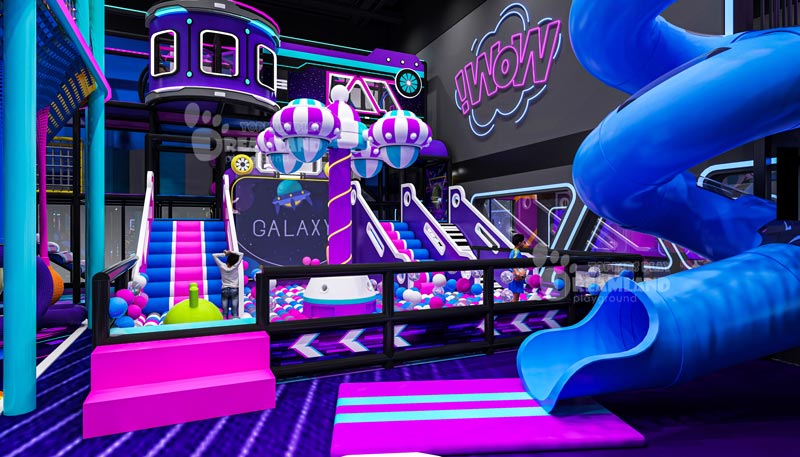
From Dreamland's perspective, choosing the right equipment supplier isn’t about flash deals - it’s about long-term trust. People like that turn ideas into real places: safe, lively areas shaped carefully with reliable materials. Safety standards such as ASTM matter here, along with rules from around the world. Everything clicks smoothly at launch when details align perfectly. Then payments flow smoothly; problems fade only if arrangements fit like puzzle pieces. Thanks to regular support with technology problems, software changes, and maintenance advice, the playground runs smoothly and stays protected as the business grows. Slowly building trust leads to steady results - it preserves reputation without rushing ahead in search of quick savings.

Conclusion: It’s Not for Everyone—But Powerful for the Right Owner
Every day brings work at an indoor playground, requiring hands-on ability, ongoing attention, yet little room to relax and expect gains. Even so, certain individuals get satisfaction from forming community bonds, maintaining safe spaces, and staying involved week by week. Success that truly sticks comes not from flashes of rapid progress but consistent behaviors - regular maintenance, built trust, calm persistence through seasons. What draws the right person isn’t just land - it’s somewhere children show up often, aware of shared space where parents bring their kids again and again.
FAQs
Is an indoor playground a good business for first-time owners?
Some new owners find it works well when they jump in without hesitation. What matters most isn’t past involvement - it’s steady routines and honesty about picking things up as you go. The initial period often looks like nonstop effort from the breeder. When newer suppliers team up with seasoned ones, some common pitfalls tend to fade faster.
How much experience do I need to start an indoor playground?
Knowing how businesses run helps, yet it isn’t necessary. What matters most are strengths in managing teams, serving customers, and handling daily operations. People who’ve worked in restaurants or stores often thrive here. Experience counts, though it doesn’t always come from traditional paths. Starting off easier does tend to speed things up. Guidance helps more than just telling people what to do.
Can investors run an indoor playground remotely?
Far from the main site, oversight carries risk along with doubt, particularly when things just begin. Presence matters most - keeping people safe, standards high, responsibility clear. When teams work entirely apart, results tend to waver without warning. A successful operation often shows who is in charge or runs things.
What personality traits matter most for success?
What keeps things steady? Steady hands that don’t rush, yet stay constant. When stress hits, those who hold their ground allow others to breathe easier, too. Parents notice when care feels reliable, not just helpful. Belonging matters - people stick around where they’re seen and known. What these features do is shape how lasting something really is.
Who should avoid starting an indoor playground business?
Some people might find easy money here, yet risks pop up fast when skipping safety steps. Those who skip learning about their area’s unique demands tend to stumble quickly. Hunting quick wins? That mindset tends to backfire more than help. What matters here is holding on for years, not chasing fast profits.