



The Ultimate Guide to Designing a Profitable Play Café & Indoor Playground
When it comes to creating a profitable play cafe and indoor playground, there is so much more than the selection of play equipment and the addition of a seating area. It demands a strategic plan that will focus on space planning, play zones according to age, parent views, noise management, and flow of operations. A combination of all these factors provides a platform where children can enjoy themselves without their parents having to worry about them, as they socialize, relax, or work in a comfortable environment.
An effective design also helps in achieving business objectives by enhancing dwell time, increasing the number of repeat visits, and also boosting food and beverage sales. Such factors like local demographics, safety standards, and maintenance requirements are critical in long term performance. This guide subdivides design principles and planning choices that are fundamental in ensuring that a play cafe is transformed into a sustainable and community-driven business.

A spot where mothers could rest once in a while, rather than racing after little ones sliding on carpet. That’s what a play café might truly offer - serenity slipping between bursts of play. Not raucous rooms packed with playsets, yet warmth glows under soft lights, actual coffee brews, surfaces that gently slope instead of dropping you forward. It isn't just about shoving inflatable toys into a small area. What matters is stepping away from the mess, creating room to pause.
Children circulate while being monitored - that part stays. Yet adults also find brief calm: studying a paper option, holding a warm cup, letting tension ease. The goal? Not stuffing every second with loud activity. Peace slips through as families move together - adults breathing while children pump legs on swings or stack bricks. A place forms not by chance, but because women here stay longer, then bring others.
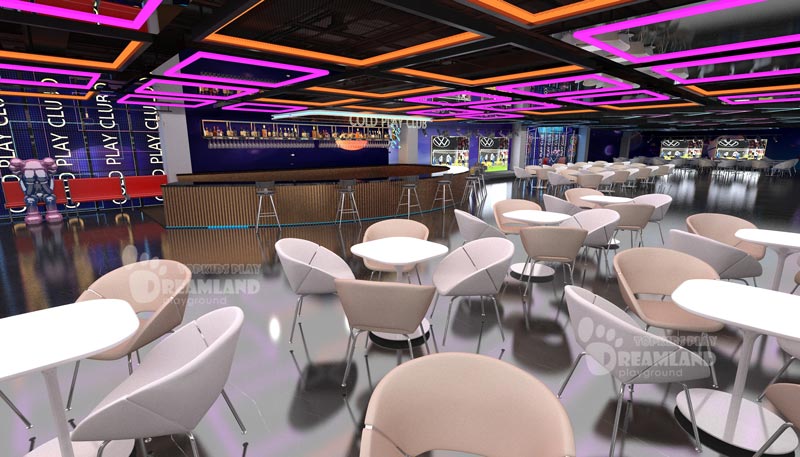
The Market Pulse: Why Kids’ Play Cafés Are Exploding in Popularity
The Millennial & Gen Z Parenting Shift
Nowadays, moms and dads often pick places where kids can simply be around others without chaos. Instead of loud play areas packed with flashing toys, they look for calm corners that look put together. A room might hold a few thoughtful toys, while soft lighting makes everything feel more human. Eating here means food is laid out with thought, not just thrown together.
Everything - walls, rugs, even how chairs are placed - says someone took time. Moments matter more than noise when choosing where to bring little ones. These days, coffee habits are shifting - pushing small, unique cafes to grow quickly across countries.
Remote Work & "Mommy Socials"
Mornings during the week feel heavier lately, simply because of how work has shifted online. This still-open stretch, once lost between chores, now leaves room for moms to meet, sit quietly, or simply breathe while nannies juggle too many tasks at once. Surprisingly few places designed for families actually tap into this exact window - despite how well it aligns with real daily rhythms. Now, cash flow comes in each weekday at a steady pace, not only on Saturdays and Sundays.
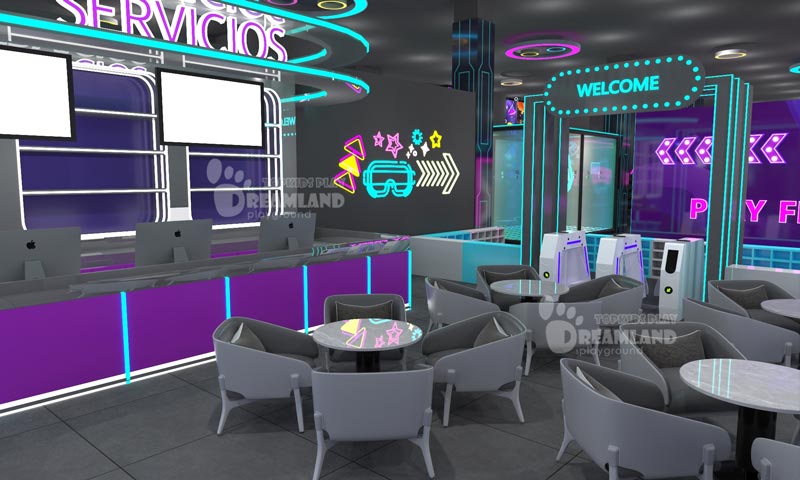
Strategic Diversification: The Benefits of Adding a Play Area to Your Space
Increasing Dwell Time
Most families hang around roughly forty-five to ninety minutes if the play area feels right. Since time stretches, costs rise too, particularly on food and drink. When a child is engaged and enjoying themselves, the caregiver tends to order another drink or grab a snack, all without hesitation. That shift does more than just rearrange things - it lifts earnings across each space on the premises.
High Retention Through Routine Visits
Here they come back, kids running toward the climbing frame. Not just one meal - this spot becomes a weekly stop for parents and small ones. Set visits happen more often thanks to recurring passes or memberships. That kind of support shows up when involved parents form strong groups. Change grows quietly at first, yet eventually spreads. People with kids begin arriving on their own schedule without being told. What stands out is how tightly things are woven - no grand cafe or kids' zone needed.
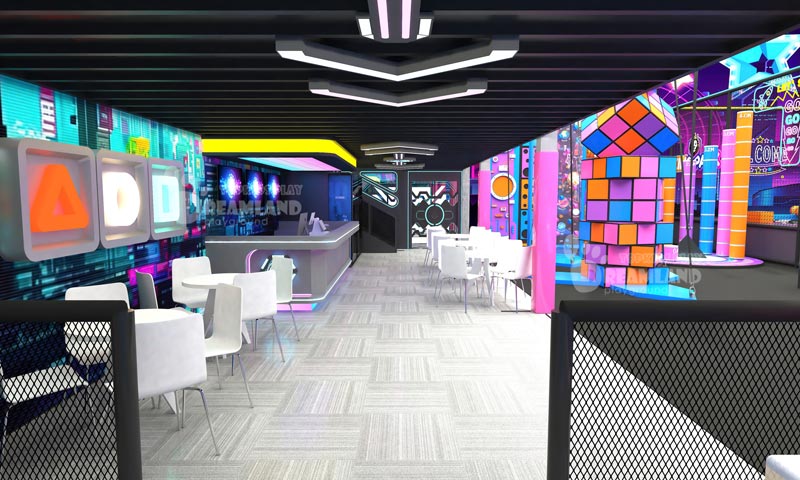
First Steps in Planning Your Play Café: From Vision to Blueprint
Market Research & Local Demographics
Start by picturing the people nearby - how many raise children at home, what incomes they bring in, and still find time for regular activities. Check out how often adults bring little ones along when visiting. That count affects whether your store feels just about right, also leaving room for small areas where children might explore. What sticks often ties into real local ways of living. Results that last usually go in that direction.
Permitting, Zoning, and Compliance
At first, places where kids play while adults eat face different rules. One type deals with staying clean and safe around food. The other covers how children enjoy spaces without hazards. Speaking with staff early helps avoid costly surprises later. Neatness matters, along with the material used in construction, surface choices, and exit speed after visits. Every item has a job that deserves attention now and then. From day one, following clear steps protects those who buy and guards their funds.
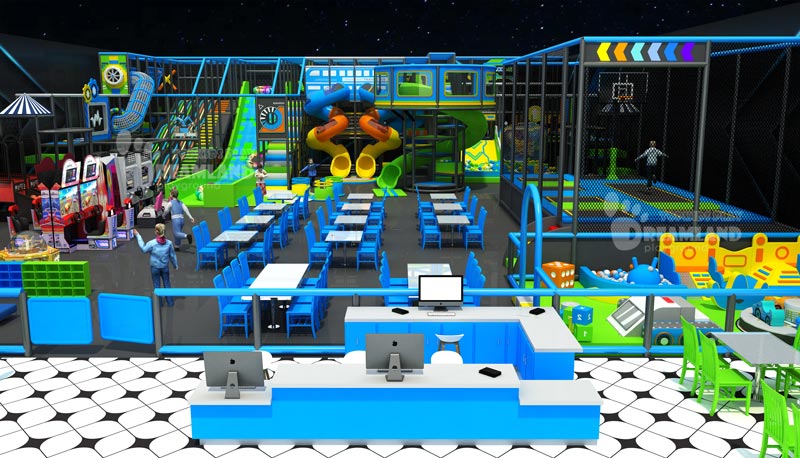
Core Principles of Play Café Design: Efficiency Meets Safety
Passive Supervision: The Golden Rule
Out here, near children's play spots, grown-ups stay close by simply placing seats in sightlines. A good spot makes watching tiny adventures easy, no scanning around needed. Watching joy zones unfold happens naturally when seats go where they can be seen from afar. Comfort grows when parents remain near, yet keep their distance. It is not mere attendance that builds trust - it is being unobtrusive instead.
Acoustic Comfort Without Killing Energy
Out here, where children often stroll close to coffee shops, holding down noise feels essential. Instead of harsh surfaces, soft barriers or panels that soak up sounds work well. Even padded seating areas help reduce clinking plates or raised voices. Above it all, patterns painted onto tall ceilings softly absorb chatter, too. Balance sits right in the middle - letting moments of joyous laughter slip through while making sure friends can still talk smoothly. Quiet in the room? That often lets mothers relax, find a space on a chair, and remain still without moving.
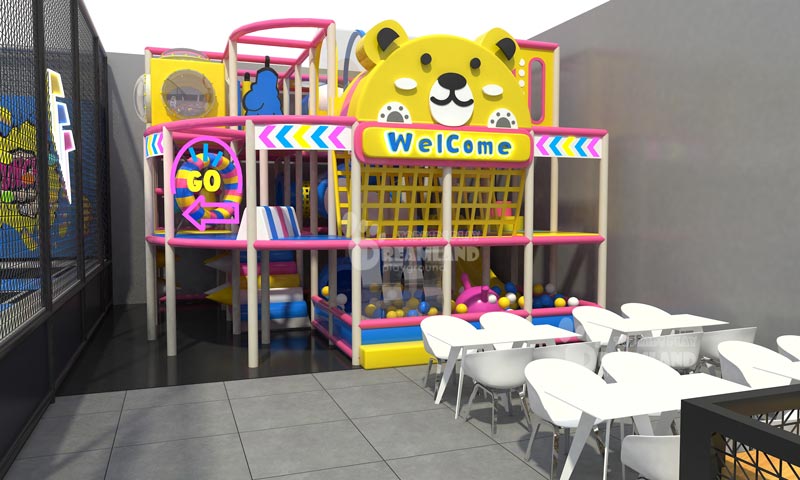
Setting Up for All Ages: Inclusivity Without the Chaos
Toddler-Specific Zones for Safety
Babies under two need calm areas for sensory activities, set aside from younger kids. Soft ground instead of rigid surfaces reduces the risk of injury. Gentle equipment, along with slow-motion aids, makes environments less risky. What helps adults feel calm often involves seeing small children safely. When roads are split apart, confusion decreases on busy driving days. Smooth traffic flows better once separation reduces close encounters.
Engaging Big Kids Without Overcrowding
Young children find challenge centers more engaging when play areas feel sturdy and tall. High shelves catch their eyes, along with climbing sections or simple machines that hold interest longer. Height matters more than width since vertical design gives space for younger visitors to play safely nearby. Fitting under shared models, this approach works best when harm to nature is limited or avoided.
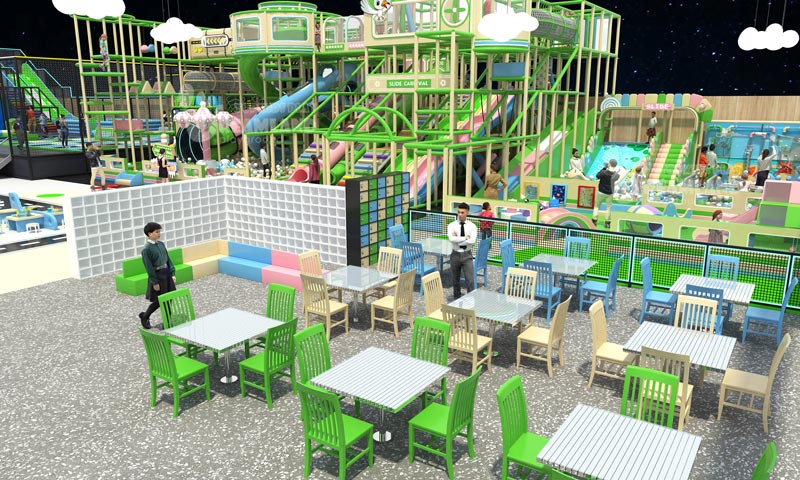
How Dreamland Playground Helps You Design a Profitable Play Café & Indoor Playground
From idea to finish line, Dreamland Playground walks alongside you, building play cafes and indoor play zones meant to be safe, practical, yet profitable. Rather than standard blueprints, their approach leans into thoughtful zoning, quiet oversight, activities suitable for different ages, while prioritizing adults - shaping experiences that keep guests longer, bring people back more often, while lifting each visit's value. Because of long-handling knowledge around toy setups, security rules, and smart layout use, Dreamland Playground brings your concept to life as somewhere kids delight in and families know they can rely on, making your financial stake pay off over the years.
Conclusion & Call to Action: Building Your Community Anchor
An effective play cafe is not merely a children's playground but an investment in society and human relationships. It is not only the amount of revenue that determines its success, but the time that dwellers spend there, the visits they make on a regular basis, and the confidence that the families have in your space. You have children playing in safe, well-thought-out play areas, and parents feel welcome, relaxed, and have their own worth, then your café would be where people would want to go more than once. Design, safety and operational efficiency will be taken into account so that both kids and adults can enjoy the experience and make every visit a memorable one.
FAQs
Q: What is the primary difference between a Play Café and an Indoor Playground?
A play cafe is structured with the key aim of accommodating parents, where a cafe-style setting is integrated with guided and closely-supervised play, enabling adults to relax, socialize, or work as kids play in a safe environment. An indoor playground is, in turn, concentrated primarily on the entertainment and physical activity of children. Comfort, aesthetics, and dwell time are the main elements of the play cafes and indoor playgrounds, which have limited hospitality elements and focus on high-energy play.
Q: How much square footage is required for a boutique Play Café?
A corner in compact play cafes usually measures between 1,500 and 4,000 square feet. Layout choices define it - seating spots, groupings by age, open paths. What stands out is simply being able to move around comfortably.
Q: What safety standards must Play Café equipment meet?
When it comes to play cafes, the gear must meet clear safety standards - like shielding children from crashes, avoiding materials that could harm them, while also building pieces suitable for various age groups.
Q: How do you manage noise in a high-ceiling café with a play area?
It's tougher to control noise if a place has tall ceilings and busy energy, say a coffee shop where children laugh and run. The sound bounces freely across empty areas. Sound panels handle echoes - much like fluffy wall hangings or ceiling strips, taking turns. When little ones run wild while grown-ups read nearby, sound splits across regions instead of building up.
Q: Can adding a play area really increase my café's ROI?
Staying put gets easier when play areas show up. Frequent returns grow likely once these spots appear. Visitors tend to spend additional amounts each trip, too. That shift adds up - profits rise slowly because of it.