



The Ultimate Guide to Importing Indoor Playground Equipment from China (2026 Edition)
At present, well over eight in every ten indoor playgrounds worldwide source equipment from China. It comes down to basics: lower prices, advanced manufacturing, along with a steady flow of fresh concepts - a combination unlike anything seen before.
Even so, bringing items from other countries brings its own hurdles. Shoppers often face a so-called "Fear Factor" - concerns such as delayed shipping, how long things will endure, whether standards are met, along with confusion in communication. Stories about poor sellers pile on the stress.
This guide removes that concern. Picture a quiet, straightforward route - every step defined - to help you find suppliers without hiccups, avoiding major missteps, holding onto your timeline, protecting money, and dates fitting just as the entrance arrives.
Speed to Market
Why Source from China in 2026?
Speed to Market
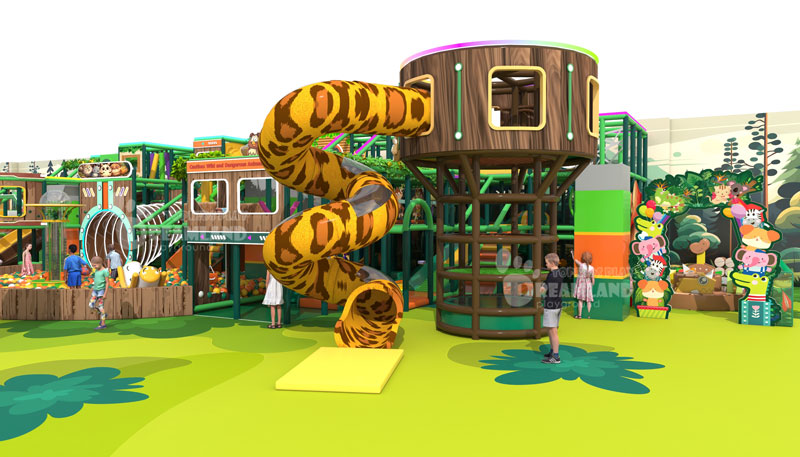
By 2026, rapid delivery will define successful approaches. Within China, producers release playground items fast - from full blueprints to arrival in under eight weeks. With early prototypes, adaptable layouts, plus digital approvals, hold-ups almost vanish. This opens windows - moments where leaders act before others even notice.
Manufacturing Agility
Speed sets China ahead in global buying even now. Factories adjust layouts, visuals, emphasis on pieces - on the fly - without halting production. Over at Dreamland Playground, one team handles concept-to-display, eliminating holdups caused by disconnected groups. Few places see racing move like this.
Steps To Import Indoor Playground Equipment From China
Step 1: Verification — How to Spot a Real Manufacturer
Trading Company vs. Factory
What happens next depends on who handles production. Sometimes a factory does everything, making, testing, sending - all at its own pace. Other times, a middle company passes jobs to outside vendors before adding an extra price on top. Sometimes a lower price can speed up repairs while giving easier access to support if problems arise.
How to Verify a Supplier
First thing: check if the supplier has a valid Chinese business license. It should clearly show what kind of goods they produce. Realistic sellers, particularly those who care about honesty, tend to offer proof like reports from factory visits or lab test outcomes. Sometimes they even let you watch live activity inside their workspace. Seeing empty room photos makes some wonder what's being hidden. It isn’t normal to leave out key details like occupied spaces. So carefully check.
- Apply for a Chinese business license while checking the officially registered activities
- Pick up recent audits or testing outcomes from a plant or third-party reviewers
- Picture wanting to check out live footage of the plant - a trustworthy manufacturer and seller likely wants you to watch how things are made, spotlights shining on assembly zones, metal joining spots, and even where components meet up
If the person offering stuff acts hesitant or leaves things out, it feels off.
Step 2: Navigating International Safety Standards
Region-Specific Compliance
When playground gear stops, what comes next varies by area. Across America, guidelines follow ASTM standards. In Europe, benchmarks point straight to EN 1176 and EN 1177. Across different places, several areas were picked to adopt near-identical standards early on. From the beginning, creating sensible tech devices involves folding essential guidelines directly into how things are built.
Certificate Authentication
Real safety certificates make a difference. Issued by trusted organizations such as TÜV or SGS, these documents must exactly match the machine's type. Look up the serial code in the agency's database before assuming validity - counterfeit or recycled documents often go unnoticed.
- Check if the product carries approval from groups such as TÜV or SGS. These bodies issue key certifications.
- Contact the group that gave out the certificates to check their numbers
- Put the certificate next to your actual product version instead of a generic one made only for public release
- Firms like Dreamland Playground make playground equipment by obeying safety standards set by ASTM in America, along with EN 1176 on the other side of the Atlantic.
Step 3: From CAD Design to Production
Why Custom Design Delivers Higher ROI
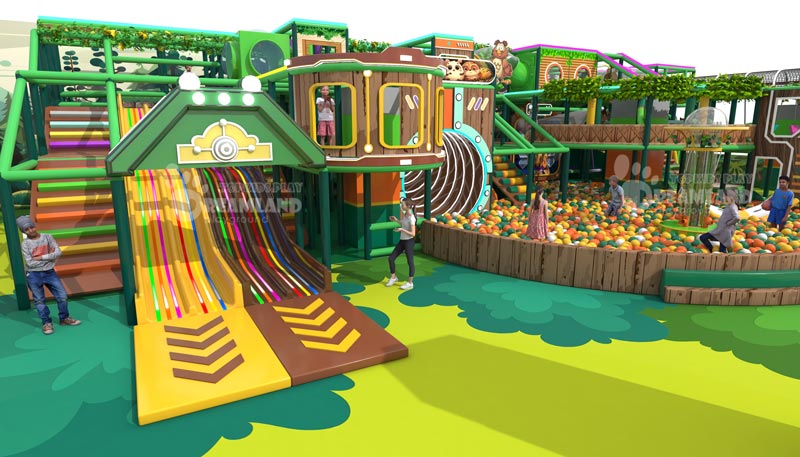
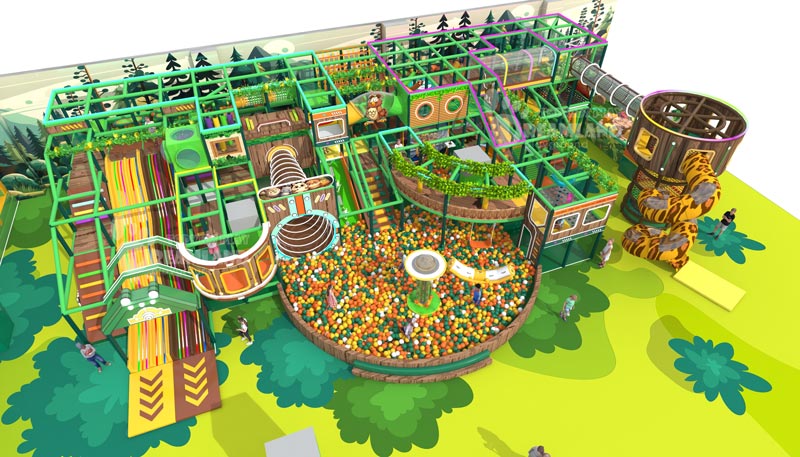
Made for particular rooms, custom indoor playgrounds and play zones often work better than off-the-shelf setups. Arranged thoughtfully, they maximize space, show what the business stands for, and help children move through activities without distractions - this tends to keep visitors longer while raising average payouts per stay. Long before construction begins, skilled craftsmen lean on digital tools such as design drafts and three-dimensional previews to map out each component's position, reducing errors that could push back launch dates. So, why does custom design matter? One reason custom designs beat store-bought setups? They deliver better returns on investment when you consider:
- Maximizing floor space efficiency
- Matching your brand theme
- Improving player flow and dwell time
- Starting off, experts in park design check CAD files together with 3D models - not just one thing, but both - to understand what the full space might hold.
Trial Assembly Is Non-Negotiable
Right off, a full test setup needs to take place exactly where the job happens. Each component has to be measured against the others so nothing slips through unnoticed. If alignment works smoothly from the start, progress speeds up immediately after land preparation kicks in. When controls slip, delays show up - this isn’t a gamble worth making. Decisions carry weight only when rules are followed closely. Trying stuff together is non-negotiable. It simply needs to unfold. Before shipment, check if a full test build sits ready inside the factory. This work:
- Checking if pieces line up right
- Spotting mistakes or missing parts in components
- When modules reach the site more quickly, installation loses momentum. Work moves faster since materials come one after another instead of being apart.
Starting off, many players jump right in solo - yet that initial team try often sidesteps heaps of headache later.
Step 4: Logistics & Shipping — Decoding the Terminology
Understanding Shipping Terms
Moving products between countries follows set guidelines - who does what depends on these directions. Instead of one company handling everything, labels like EXW or CIF pass control around based on the risks involved. With each shift in terminology - CIF becomes DDP - so do where costs go, who insures shipments, and even who clears customs. Mistaking one for another often means payments disappear too quickly, timelines drift past agreed marks.
- EXW (Ex Works): You handle everything from the factory gate
- FOB (Free on Board): Supplier delivers to port; you manage shipping
- CIF (Cost, Insurance, Freight): Supplier covers shipping to the destination port
- DDP (Delivered Duty Paid): Supplier handles everything door-to-door
Why DDP Is Best for First-Time Importers
Most people pick DDP if they’re moving items for a new project. With DDP, the buyer doesn’t handle transport or clearance - those tasks fall to the seller entirely. Customs steps get managed behind the scenes, so does tax handling and delivery at your door. Mistakes tend to drop off in frequency when everything is handled one way. Pricing sits fixed from day one instead of shifting around mid-project.
Identifying the Correct HS Codes
Step 5: Customs, Duties, and Taxes
HS Codes
Your belongings get sorted by customs, working with HS codes while managing fees like tax and duties along with inspections. Mistakes in coding could result in holdups or penalties. When customers look to buy play areas or related equipment, they often turn to trained providers and shipping specialists able to correctly pick suitable HS types.
- Import duties
- VAT or sales tax
- Regulatory inspections
Your supplier or freight partner should assist with the correct classification.
Preparing the Paper Trail
Start by getting documents right every time. A mismatch between the Bill of Lading, commercial invoice, or packing list can cause trouble. Wrong entries tend to spark extra scrutiny or hold things up. Precision in preparing each form plays the biggest role.
- Bill of Lading (B/L)
- Commercial Invoice
- Packing List
After that comes setup. Everything must be prepared first. Once finished, help continues beyond the last task.
Step 6: Installation and After-Sales Support
Installation Support Options
These days, major manufacturers give complete installation guidance through straightforward 3D blueprints plus step-by-step video tutorials. Thanks to these resources, local teams can install complex outdoor play zones accurately - even if nobody on site has tackled such a job earlier.
- 3D installation manuals
- Step-by-step video guidance
- Online technical support
On-Site Technical Assistance
Bigger deals often mean bringing in someone already familiar with site operations. From distant locations, experienced managers or installers step in. Guidance speeds up work on location. Errors shrink under steady oversight. Plans stick closer to their design intent. Original drafting goals begin to align better.
Conclusion: Turning Ambition into Reality
Equipment bought from China? That route often leads to good returns in a family entertainment center (FEC). Starting with China for indoor playgrounds still leads to strong returns inside Family Entertainment Centers. Given solid checks on safety, smart shipping choices, risk drops while results grow. It is not just about ordering - it is checking plans, testing prototypes, and having papers ready. Success lives in tailored layouts, mockups built early, and proof handed over neatly. What stands out most? When you check things well, look closely, and then team up with capable people, the process usually moves forward without surprises. Picking a proven manufacturer cuts down on holdups and errors. Speed, adaptability, and trustworthiness shaped top performers by 2026. Leaders moved fast, stayed sharp, got things right - simple as that
Team up with a supplier who knows what they’re doing - imagine someone like Dreamland Playground - and risks drop, costs hold firm, turning schedule pressures into solid deadlines. Ready to start your sourcing journey? Or Ready to look up supplier records? Reach out to a project consultant today - there’s no charge for that "Import Readiness" review. One call might get things moving forward fast.
FAQs
Q1. How long does the entire process take from order to delivery?
Eight to twelve weeks usually covers everything - production alone takes around three to four weeks. After that comes shipping, which might last four to eight weeks, depending on how smoothly customs handle things.
Q2. Is it truly more cost-effective than buying from a local dealer?
That’s right. Cutting out extra layers often slashes expenses from 30 to 50 percent because there are fewer people taking a share.
Q3. How do I ensure compliance with my country’s safety regulations?
Before making a purchase, ask for real certificates from TÜV or SGS - these prove that safety standards are met. Check whether the gear follows ASTM rules where you live, and look at EN 1176 across Europe. Firms like Dreamland Playground build setups tailored exactly to those legal benchmarks.
Q4. What if equipment is damaged or parts are missing?
Marine insurance helps lower risk while protecting what the buyer has at stake. Following clear steps for packing makes a difference right away. Trying out assembly before shipment catches problems early.
Q5. I am not a contractor; how will I install such complex equipment?
Starting off, companies send full 3D guide sets, how-to film clips, and extra help by sending supervisors when setups need more attention.