



The Ultimate Guide to Commercial Indoor Playground Flooring and Surfacing
The most common indoor playground equipment used is flooring. All the jumps, falls, crawls, and landings occur on it. Flooring, rather than an aspect of design, directly affects child safety, insurance rates, inspection performance,e and parent confidence. As an SEO tool, indoor playground surfacing and commercial playground flooring are not only keywords, but fundamental investment choices that safeguard the children, in addition to your business. This blog discusses the reasons why commercial indoor playground flooring is among the most essential investments you will undertake, which would influence safety performance, regulatory compliance, parent trust, and eventual business success, starting with the groundwork.
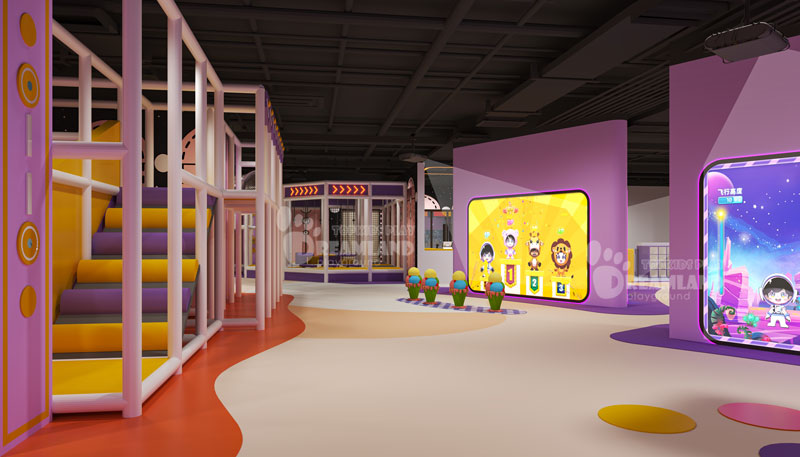
The Science of Safety: Impact Attenuation and Fall Heights
Understanding Critical Fall Height (CFH)
Shoulder height marks where safety ends if a kid rolls that far and hits their head wrong. Under each tall piece, workers lay down flooring tough enough for the drop above. If rubber mats fail to absorb the plunge linked to nearby climbs, officials tend to shut it down - no matter how sturdy it seems during design checks.
- In indoor playgrounds, CFH helps determine the required thickness and type of safety flooring (e.g., rubber tiles, foam padding).
- The higher the play equipment platform, the greater the required CFH rating for the surface below.
- Surfacing materials must be tested to ensure they meet or exceed the CFH of the highest accessible play point.
- Proper installation is critical—gaps, wear, or compression can reduce impact absorption performance.
Head Injury Criterion (HIC)
Should something go wrong, the system measures potential harm from head impact. Less value indicates energy flows into place without risk piling up. Under kids’ play zones, there is a type of floor built for safety - it absorbs quick jolts without trouble. Spreading stress evenly defines its role, keeping HIC levels below safe limits.
- Regular inspections are necessary to ensure the surface continues to meet CFH requirements over time.
- CFH compliance reduces liability risks and enhances overall child safety.
Compliance With Safety Standards
Every part of a commercial indoor playground must handle falls without exceeding safe impact levels set by ASTM F1292. Meeting ASTM F1918 applies just as much to soft play areas. Approval from authorities happens only when both targets are crossed, insurance stays active, and harm risks drop year after year.
- Adhere to relevant ASTM International standards applicable to materials, products, and processes
- Use ASTM-approved testing methods for quality verification
- Ensure materials meet specified ASTM performance requirements
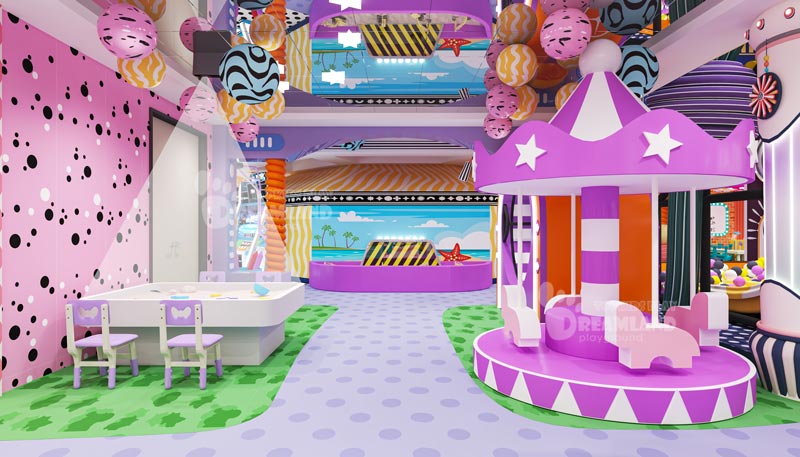
Comparison of Common Indoor Playground Surfacing Materials
EVA Foam Tiles
Far from crowded areas, EVA foam tiles show up once in a while when room runs low, or layouts change frequently - like outdoor play spots that relocate each season. Putting them in means adding one at a time, minimal effort required, replace on the fly if required. After several months pass, each tile quietly sinks a little due to ongoing wear along edges where they join. Fissures appear sooner in high-capacity channels, while cleaning routines more than once erode visible layers.
- Inexpensive and minimal installations.
- Quick replacement is possible through the use of a modular design.
- The increased maintenance in the long-term because of the seam separation and the compression.
- Most appropriate to low impact or temporary installations.
Poured-in-Place (PIP) Rubber
Poured-in-Place rubber doesn’t have any cracks, so it handles shocks and lasts a while. Because there are no gaps, it follows ADA standards and resists dirt buildup. Crowded spots such as play zones inside shops benefit from how smoothly traffic moves across them. Although beginning installation expenses rise, long-term operation tends to lower total spending.
- ADA-friendly and accessible with wheelchairs.
- Its most important feature is its non-porous surface, making it the least difficult to clean and sanitize.
- Greater initial expense, but minimum replacement expense.
Rubber Tiles
Rubber tiles usually work well where things get tight, say near slide exits or steep climb areas. They handle heavy use without breaking down, offering firm footing plus stable ground on angled sections. Yet watch how the gaps between pieces change - even strong materials can slowly move or form hazards if left unchecked.
- Hard-duty high-impact zone solution.
- Slides, climbing walls, and drop zones.
- Long-lasting, yet seams have to be looked at at frequent intervals.
Synthetic Turf
Out in the open, synthetic turf makes things feel alive, like nature has taken over a playground. Still, real safety shows up only when thick foam - built to slow impacts - lies underneath, doing its job without fail. What happens later with cleaning depends entirely on how wide and flat that initial layer was laid at the start.
- Strong visual appeal
- “Outdoor-in” aesthetic
- Comfortable underfoot
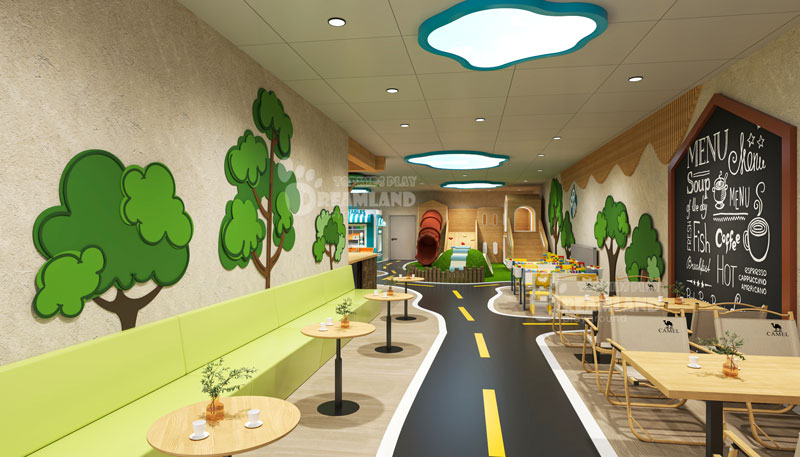
Key Considerations for Investors
Durability Versus Initial Cost
Flooring that costs little at first might fail - repairs build quickly. Going with top-tier options such as poured-in-place rubber often slashes upkeep expenses by nearly fifty percent, due to shorter stops, reduced maintenance, and sidestepping issues over half a decade.
- Maintenance labor
- Replacement frequency
- Injury claims
Hygiene and Sanitization Standards
When the pandemic ended, attitudes toward cleanliness shifted within children's play zones. Hidden germs often live where moisture builds - like in porous toys or mats. Rubber flooring made of stiff material pushes liquids away, giving bacteria less chance to grow. Workers now grasp that drying areas fast means fewer germs rising overnight. Behind each tidy tile, a parent's quiet relief shows - floors now steady, less slipping involved.
- Resists moisture absorption
- Prevents bacterial growth
- Withstands daily disinfectants
Fire Safety Compliance
When it comes to play areas, flooring has to meet E648 standards - how flames spread through heat rays. Flames moving too quickly bring real danger; that is why materials chosen must guard individuals, whether they are kids at school, shoppers near a mall, or visitors in a community park.
ADA Accessibility Requirements
Built for all users, playground floors must handle wheelchairs, walkers, and similar aids. Surfaces meeting ADA standards let children navigate freely, ensure footing stays trustworthy, yet leave room for movement regardless of physical limitations.
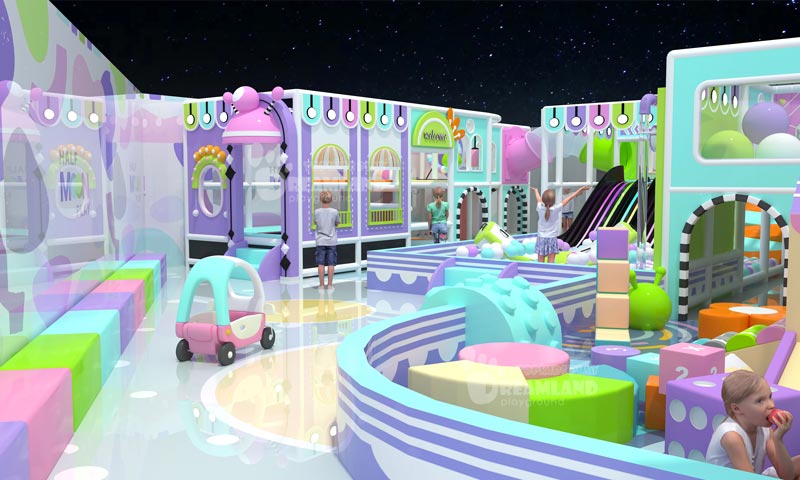
Aesthetics: Using Flooring to Enhance Branding and Traffic Flow
Creating Play Zones Through Color Design
Young ones tend to follow soft shifts in floor color, suggesting where to play or move safely. Patterns do the talking - not signs or directions - as children naturally map out areas using visual cues. What stands out is how closely the tone choices echo the way children themselves organize the surroundings. Beyond being visually appealing, these patterns hint at deliberate choices in how things were put together.
- Blue for toddler zones
- Red for active climbing areas
- Neutral tones for parent seating
Guiding Movement and Supervision
A spot where flooring meets walls happens to guide grown-ups to nearby seats while sending children right into play areas. This flow keeps onlookers aware without slowing down traffic through the room.
- Parents toward seating and café areas
- Children toward play entrances
- Staff toward supervision points
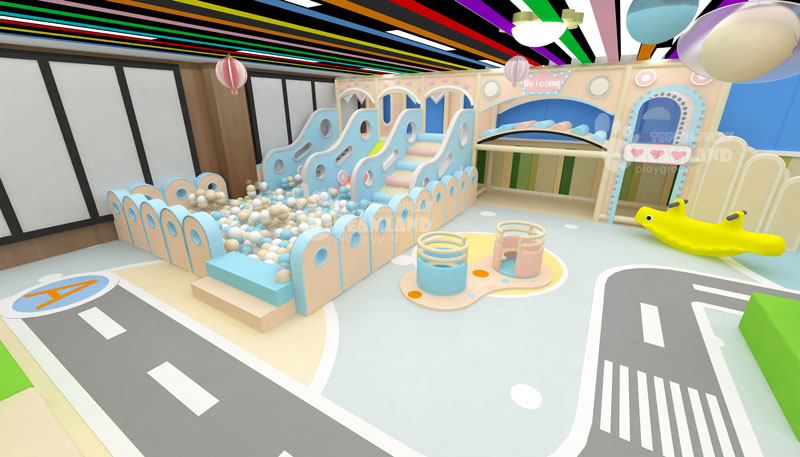
Installation and Subfloor Preparation
Importance of a Proper Subfloor
A firm, balanced subfloor plays a key role in choosing play area flooring. Concrete shows up a lot, just like engineered wood - but poor prep can lead to breaks, uneven surfaces, sometimes even danger for children.
Professional Installation Benefits
When work gets the correct attention, connections strengthen, layers stay safe, while ignoring controls leads nowhere good. Cutting corners in preparation may appear helpful initially, yet it brings heavier consequences afterward - poor performance shows up.
- Proper adhesion and seam sealing
- Correct thickness for fall protection
- Compliance with safety and inspection standards
Because Improper installation leads to:
- Trip hazards
- Gaps between tiles
- Premature wear
And Professional installers ensure:
- Correct thickness for CFH
- Proper adhesion
- Seam alignment
- Long-term durability
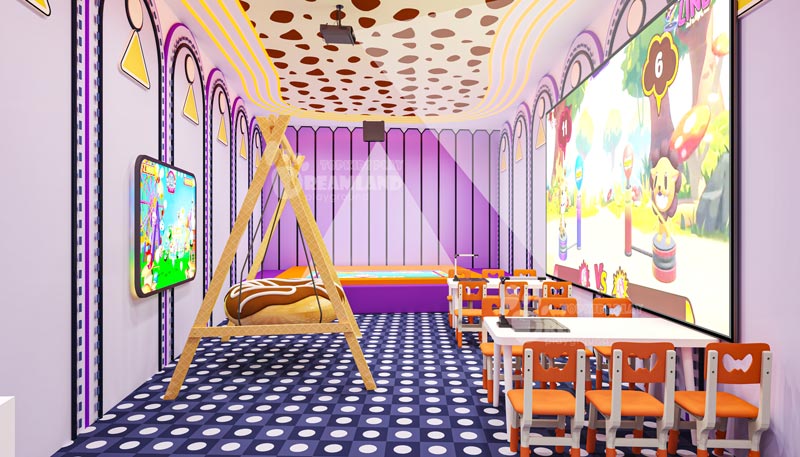
Maintenance Checklist for Long-Term Performance
Daily Maintenance Practices
Every day, sweeping or mopping floors helps keep spaces tidy while also targeting dirty items that need disinfecting, especially in lively play areas where surfaces are constantly being used.
- Vacuum debris
- Surface disinfection of high-touch zones
Monthly Inspection Requirements
Each month, check places where the floor feels lighter or appears slightly off, particularly beneath bulky objects.
- Check for gaps, thinning areas, or loose tiles
- Inspect high-impact zones under the equipment
Annual Professional Care
Each year, experts perform thorough cleaning along with safety inspections to ensure the flooring meets required standards. These checks include verifying whether it can handle expected falls without failure. Meeting strict height limits is part of what gets monitored closely.
- Professional deep cleaning
- Impact attenuation testing to ensure CFH compliance
Integrated Turnkey Design and Engineering
Out at Dreamland Playground, safety through surfacing isn’t an afterthought - it leads the way. Instead of treating it like decor, staff treat the ground below as key safety gear, way more than just picking colors or texture. Built right alongside climbing sets, walk surfaces follow strict gap limits based on fall heights, adjust as children crawl, jump, and shift across zones, and withstand heavy foot traffic from morning till night. With each piece linked closely, obeying rules feels less tangled, inspections run quicker, and when problems pop up, they get resolved - no trace left behind.
Global Compliance, Durability, and Hygiene
Out in playgrounds worldwide - especially in North America and parts of Europe - one kind of floor stands out, guiding decision makers at Dreamland Playground without extra noise. Built to last, despite crowds playing hard - no matter how often workers sweep or scrape the ground - they outlive softer, scattered options. Since they push back against absorbed substances, marks rarely appear; that steady behavior echoes the company’s grip on public confidence.
Long-Term Partnership and Investment Protection
From the start, Dreamland Playground handles tasks with thoughtfulness, manages documents neatly, along with steady backing for ongoing safety efforts across decades. Focused less on quick wins, they grow wealth through patience - a strategy that allows leaders to avoid high repair costs, reduce interruptions, and maintain financial returns by establishing a strong foundation ahead.
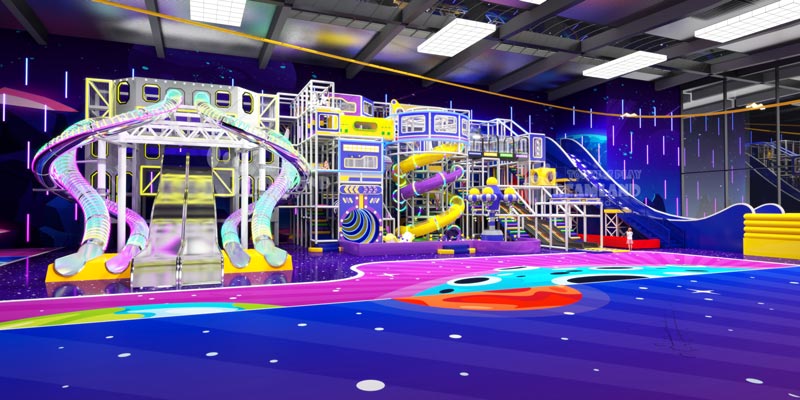
Conclusion: Investing in the Ground Up
Flooring as a Strategic Asset! Underneath each indoor playground, there is more than decoration - flooring sets the stage for safety, regulations, and even profits. The decision on material protects children, supports compliance with health standards, plus reduces long-term hazards - making a clear, early strategy essential.
When done right, a floor stands the test of time, keeping spaces tidy while allowing free movement. Parents feel steadier knowing their children land safely on even surfaces. It quietly conveys thoughtfulness through its design and material choices. Clean lines meet practical needs better than flashy options ever did. Underneath every durable layer lies a foundation built on trusted components. Play zones benefit most when those bases combine resilience with visibility. Constructing them this way leads straight to safer terrain that holds up years later.
FAQs
Q1: How thick does my playground flooring need to be?
Heaviest installations decide how thick the layer needs to be - that number controls everything. The height of features drives the count; more height requires heavier material, matching official standards.
Q2: What is the most durable flooring for a high-traffic indoor playground?
A sea of flexibility defines poured-in-place rubber - layered cohesion leaves no cracks behind. Shock absorption runs deep here, softness cushions impacts, while regular servicing barely scratches the log.
Q3: How do I clean and sanitize indoor playground surfacing?
Every day, wiping down with ready-to-use disinfectants keeps places neat. When lots of people move through places - such as workplaces or medical spaces - deep cleaning matters more, especially on surfaces that resist stains.
Q4: Does playground flooring need to be fire-rated for indoor use?
Inside big kids’ play zones, fire safety guidelines matter. Flooring meets ASTM E648 rules, which count as minimums. What counts legally or for construction space matches these standards, too. Space rules apply within code frameworks.
Q5: Can I install playground flooring myself to save costs?
One reason pros install instead of doing it yourself? Safety improves. Equipment lasts longer when handled right. Inspections go smoother, too. That peace of mind - and working reliability - often costs less than expected mistakes.