




Ultimate Guide to Indoor Playground Safety Standards & Quality (2026 Edition)
Built on rules for how equipment is made, what materials are used, plus daily operations, these rules help keep kids safer while playing inside. Equipment choices matter, as does how well shocks work when hits happen, along with avoiding tight spaces where bodies might get pinned. Getting gear properly set up plays a big role, too. Following them means children can enjoy themselves without facing serious harm. Meeting these rules keeps operators safe from legal trouble, plus shields them in insurance matters too.
By 2026, rules for indoor playgrounds and children's play areas do more than check boxes on a form. They reflect careful planning around hazards, blending knowledge from engineering, chemistry, safety codes, and smart technology systems. When businesses run indoor fun spaces for profit, meeting these guidelines becomes essential - missing them means no certificate, no coverage by insurers, and eventually, no operation at all.
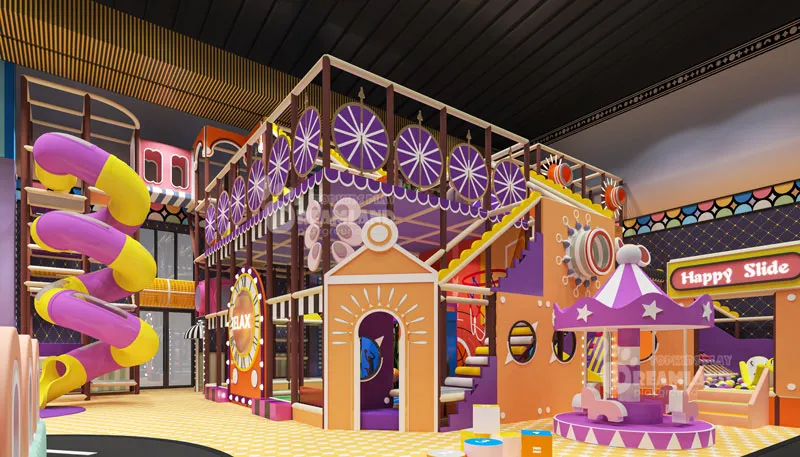
Why Indoor Playground Safety Standards Matter
Kids stay safer when safety rules are followed - this shapes how playgrounds are built. Equipment approved through testing works hand in hand with knowledgeable team members who watch over play areas. Following guidelines helps families feel assured they’re in a place that takes care to keep kids secure. Still, it protects both the money and public image of those running it.
Legal and Financial Protection:
Following set safety rules brings solid legal and financial protection. In case someone gets hurt, showing that ASTM, EN, or similar rules were applied might alter what happens next. Today, demonstrating safety efforts influences whether rules get approved.
Child Injury Prevention:
Most times, sticking to rules means fewer than eight out of ten serious injuries take place near playgrounds when equipment is unstable. Going down steep parts fast, getting stuck, bumping into solid edges, or weak material that breaks easily - these are what safety inspectors spot often. Changes finally appear just in time, shaped by how many kids have already tried poorly built setups during play hours.
Business Reputation and Longevity:
Folks start noticing changes, yet safety figures remain behind the scenes. One awful incident could swing how people think fast, especially with online platforms spreading news quickly. Bend a standard line of conduct anywhere, then news travels - teams gossip, caregivers warn others who lived through similar struggles. Still, places known for smooth operations often charge steeper prices, keep clients longer, and even slowly boost their own status before upcoming deals or takeovers.
Operational Efficiency:
Things move along without hiccups, actually cutting down spending tied to safety. When routines stick to clear timelines, big equipment stops working less often. Workers who learned methods properly stay calm during unexpected problems. Frontline choices with real substance cut down clutter piling behind schedules. A few sharp thinkers spend safety funds as if gains come from doing right, instead of ticking off form fields.
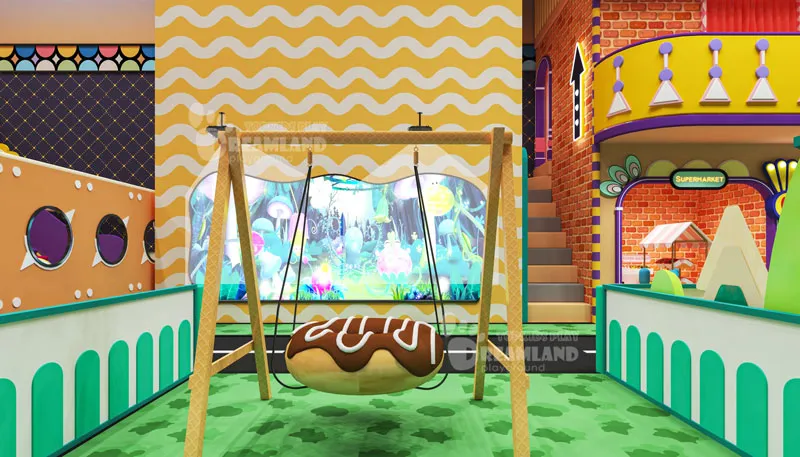
Overview of International Indoor Playground Safety Standards (2026 Edition)
|
Standard Code |
Primary Region |
Scope & Core Focus |
Key Technical Requirements |
|
ASTM F1918-26 |
USA / North America |
Standard Safety Performance Specification for Soft Contained Play Equipment. |
Focuses on containment, structural integrity, and "no-climb" zones to prevent falls. |
|
EN 1176 (Part 1-11) |
European Union / Global |
European Standard for Playground Equipment and Surfacing. |
Emphasizes geometry-based safety, focusing on preventing head, neck, finger, and clothing entrapment. |
|
EN 1177 |
Europe / International |
Impact Attenuating Playground Surfacing. |
Defines the Critical Fall Height (CFH) and testing methods for shock-absorbing mats and foam. |
|
ASTM F1292 |
USA / Canada |
Impact Attenuation of Surfacing Materials. |
Uses G-max and HIC (Head Injury Criterion) sensors to test if flooring prevents traumatic brain injuries. |
|
CSA Z614 |
Canada |
Children's Playground Equipment and Surfacing. |
Heavily aligned with ASTM but adds strict rules for inclusive/accessible design and cold-weather durability. |
|
AS 3532 |
Australia |
Internal Play Centres - Safety Aspects. |
Prioritizes ventilation, visibility for supervision, and strict fire-safety for enclosed spaces. |
|
ISO 8124 |
Global / International |
Safety of Toys - Mechanical and Physical Properties. |
A baseline standard for material toxicity and small-part hazards for toddlers in play areas. |
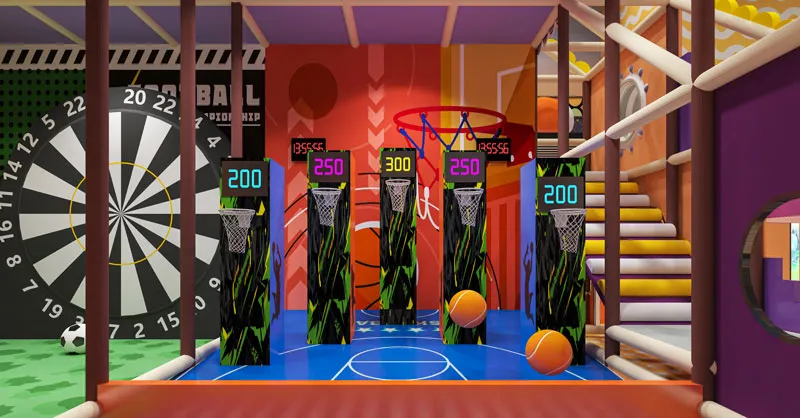
Material Safety: Compliance & Chemical Transparency
Fire Retardancy Standards: Deep Dive into UL94 (V-0), NFPA 701, and EN 13501-1
Fire safety matters here, since items need to pass three key standards. UL94 (V-0), NFPA 701, along with EN 13501-1, all check how well materials stop flames from starting. Testing confirms they resist burning and limit how fast fire spreads through heat. When these rules are followed, safer conditions appear inside spaces people move constantly across. Fire-resistant stuff needs to pass before any insurer or licensing board gives their okay.
Non-Toxic Components: Lead-Free PVC, Phthalate-Free Foams, and REACH/CPSIA Compliance
Today’s playgrounds rely on lead-free PVC, phthalate-free foams, along with materials that meet REACH and CPSIA rules. Safety stays strong when kids stay in touch with surfaces over time. Knowing exactly what goes into these things gives parents peace, while officials also have clearer insight. People using these materials show they care about safety and well-being in how they design things.
Antimicrobial Technology: The 2026 Standard for Hygienic Play Surfaces
By 2026, post-pandemic rules call for antimicrobial coatings where kids touch often - mats, slides, doors. These surfaces slow bacteria from spreading, keeping areas clean. Using antiseptic materials isn’t just safe; it quietly builds trust with parents and caregivers alike. Cleaning often helps match what the built-in safeguards are meant to do.
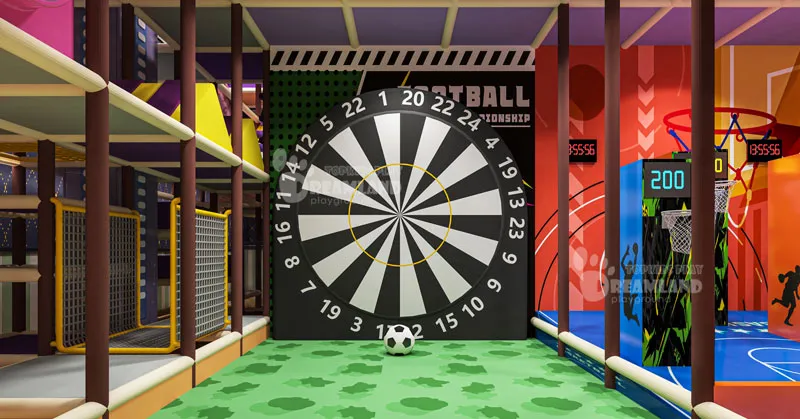
Engineering & Design Safety: Preventing Injuries
Entrapment Hazards: Detailed Geometry for Head, Neck, and Finger Entrapment Zones
Every part of play equipment should keep kids' heads, necks, and hands out of danger spots. How things are shaped matters - certain designs reduce the chance of standard hazards. Openings here are checked closely, making sure they do not exceed safety rules set by ASTM or EN. A well-built setup cuts down risks while keeping operators protected.
Safe Fall Heights & Cushioning: Engineering Impact Attenuation for High-Altitude Play
Safety in jump zones comes from absorbing shocks - foam pits help, so do padding sets and spring setups. How high you can jump depends on whether someone's young or heavier, also shaping rules around that. Using proper flooring cuts down the chances of broken bones or stretched ligaments. Every piece of gear needs to hit either ASTM F1292 or EN 1177 standards for how much energy it absorbs.
Visibility & Sightlines: Strategic Design for 100% Parental and Staff Supervision
Every corner has eyes on it because choices in placement make sure parents and staff keep watch. High spots or wide views mean nothing slips by unnoticed. When trouble shows up, those close to the space react fast without delay. People who bring their kids stay calm knowing dangers stay visible. Clear layouts help reduce accidents while making workflows smoother.
Maintenance 4.0: The 2026 Safety Checklist
Daily Visual Checks: Identifying Wear and Tear in High-Traffic Areas
Every day, staff check busy spots like nets, slides, and zip lines. What they look for is cracks, loose parts, uneven mat edges, or shifting padding. Spotting small problems early keeps rides running without sudden stops. Stay aware every day - it helps keep safety strong and risks under control.
Certified Annual Audits: Why Third-Party Inspections Are Mandatory for Insurance and Licensing
Every year, outside experts check the facility to make sure rules are followed and coverage stays active. These inspectors look closely at how strong the building is, what the surface looks like, and if chemicals pose risks. Papers tied to their findings help meet official approvals and legal standards. A fresh look now and then shows someone truly cares about safety.
Digital Safety Logs: Transitioning to Cloud-Based Maintenance Tracking for Real-Time Compliance
Inside the cloud, safety records update live as teams log inspections and schedule fixes. Each day brings new entries - checks, repairs, milestones met - all saved where workers can view them easily. With apps handling tasks, getting ready for audits grows simpler, clearer, and faster. With this method, workers follow rules and standards required today by law and insurance standards.
Conclusion: Partnering with a Safety-First Manufacturer
Built into each part of design, choice, and setup, Dreamland Playground follows worldwide safety rules without exception. Through planning stages up to daily care, protection stays central - always shaping outcomes. Because of this focus, legal risks drop while equipment lasts longer, and visitors enjoy better times. Trust grows when operators find a reliable ally handling long-term play area care.
Your Vision, Our Safety
Working with a manufacturer like Dreamland Playground, who puts safety first, means your playground company runs steadily, follows rules, and stays profitable. While you handle how visitors enjoy themselves, the supplier handles risk control behind the scenes. Trust grows slowly when efforts align like this, shaping stronger bonds over the years. Safe by nature, playgrounds in 2026 still find room for fresh ideas. Innovation quietly shapes each climb, every fall.
FAQs
Q1: What is the primary safety standard for indoor playgrounds in the US?
What drives the standard is ASTM F1918 - this sets rules for how the gear looks, what surfaces are allowed, and how impacts are absorbed. Backed by insurers, regulators, and safety inspectors, its acceptance stands strong.
Q2: How often should an indoor playground be professionally inspected?
Every year, a professional inspection needs to happen, while frequent lookups happen each day and month inside the system. Outside evaluations exist so that insurance and licensing rules can be met.
Q3: Are EN 1176 and ASTM F1918 the same?
Across Europe, No. EN 1176 sets rules mainly about how play equipment and floors should be built. Over here in North America, ASTM F1918 handles those same places. Even though both aim at keeping kids safe, they do things differently when it comes to checking and approving what's installed.
Q4: What are the fire safety requirements for playground foam and padding?
Every material needs to follow UL94 (V-0), NFPA 701, or EN 13501-1 rules - no exceptions. These checks ensure flames do not spread too fast, staying safe under fire conditions. Without meeting these, insurance coverage and building approvals won’t happen.
Q5: Does Dreamland Playground provide safety-compliant solutions?
That's right. When it comes to playground projects, Dreamland Playground checks material certifications, keeps records organized, then handles compliance inspections so each job follows ASTM, EN, and area rules without issues.