




The Complete Trampoline Park Safety Guide: Standards, Equipment & Risk Management (2026 Update)
Worldwide, trampoline parks continue to expand, while attention from officials, insurers, and consumers also increases. By 2026, staying safe isn’t merely following rules - it shapes how the business runs. Instead of ignoring risks, today’s centers treat safety as a built-in design principle: drawing on global guidelines, scientific research, team preparation, and technology-powered checks helps shape each decision. Risk isn’t an afterthought - it's woven into daily operations.
Starting with how places stay safe, this guide walks through the rules followed around the world. It looks at what goes into building strong trampoline setups, not just looking pretty but holding up under real use. Running these spots day to day means watching for hazards before they cause harm. Thinking ahead means checking gear regularly, even when everything seems fine. For those building, managing, or advising, one thing stands clear: each piece plays a role nobody should ignore.

Why Safety Standards Are the Survival of Your Business
It's not about adding extra steps - safety keeps trampoline parks open. One accident could bring lawsuits, steeper insurance bills, pressure from regulators, or customers losing confidence slowly. Places where workers are actually prepared, gear gets regular inspections by specialists, and upkeep gets documented, see fewer problems down the line. That kind of approach often builds trust among owners, regulators, and users alike.
Come 2026, following rules set by standards such as ASTM, EN, or ISO is required for most insurers. When it comes to safety equipment, investors pay closer attention - so do newcomers aiming to join a network. In short, security no longer appears on a bill as a bonus. What shapes steady earnings and belief in the name often comes down to this one element.
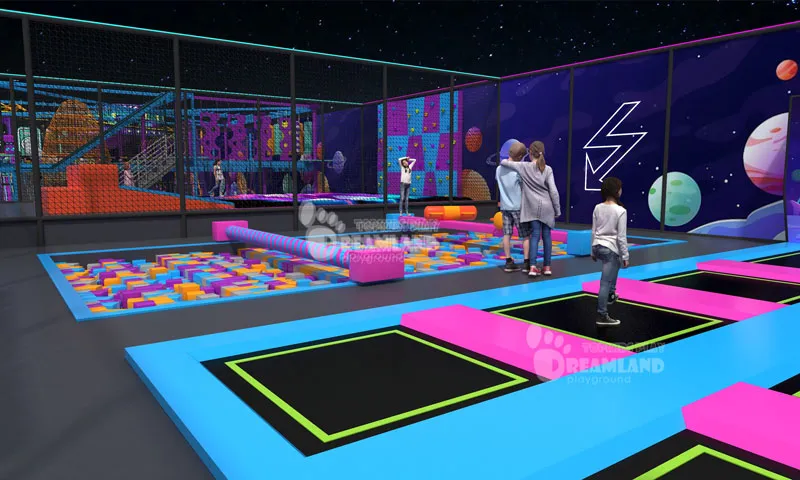
Global Compliance: Navigating Regional Safety Mandates
Running trampoline parks in various nations means paying attention to shifting safety norms. Though global standards draw nearer, meeting local requirements never stays fixed. Laws around safety change often, so staying aware by region matters.
1. North America: ASTM F2970-22 Standard for Trampoline Parks
From coast to coast in North America, ASTM F2970-22 shapes how trampoline parks operate. Covering design, production, installation, inspections, servicing, and routine work, its reach is wide. Key elements include safety systems like braking devices, tight entry spaces, proper padding, and closely observed personnel actions. These elements form the backbone of the standard.
Meeting ASTM rules often comes first - before insurance and building permits arrive. Evidence from manufacturers helps highlight how gear and supplies were selected. Responsibilities include scheduling inspections, instructing staff, and accurately recording every repair.
2. Europe: EN 15567 & EN 13219 Structural Standards
In Europe, compliance isn't just about the jumping surface; it's about the entire structural ecosystem. While EN 15567 governs the ropes and heights, EN 13219 ensures the equipment meets professional gymnastic benchmarks. Most importantly, Dreamland Playground’s systems are pre-engineered to exceed EN 1176-1 (Playground Equipment General Safety), focusing on critical fall heights and structural load-bearing capacity.
Nowhere is scrutiny stronger than in Europe, where authorities closely track engineering logs, documentation on materials, plus outcomes from certified testing facilities. Following these guidelines often requires collaboration among builders, factory producers, design teams, and sanctioned inspection groups. Working together - not apart - is simply how compliance takes shape on site.
3. Rest of the World: ISO 23659 & AS 3533 Standards
ISO 23659 hasn’t stopped drawing eyes, particularly where nations seek firmer safety standards. Even if it isn’t universal just yet, you’ll hear whispers once trampoline parks come up - especially in spots such as Southeast Asia or Gulf states. Its influence builds slowly, steering decisions made within government circles, nudging operators rethink how they handle danger. Even across many landmasses, its role in choosing paths has grown. Surprisingly, it appears far greater now than it once was.
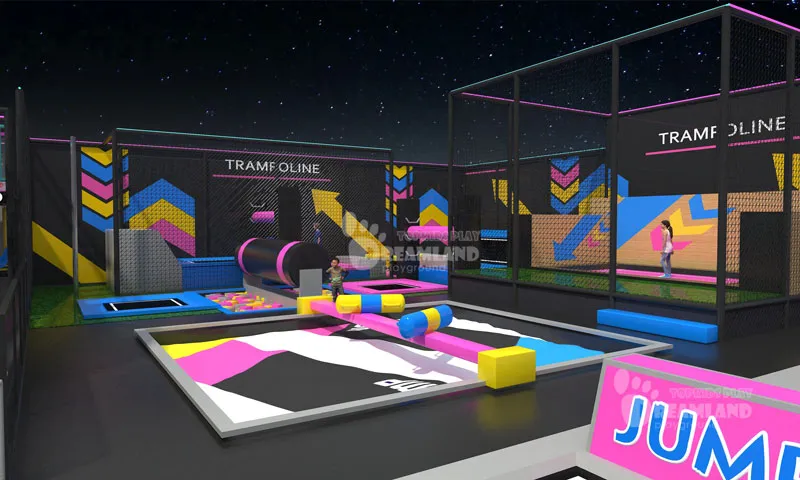
Material Science: Engineering the Foundation of Safety
1. Jumping Surfaces: High-Performance Polypropylene Mesh
Beneath every trampoline park sits a web of components made to absorb shock, hold firm, while performing reliably even after thousands of jumps. When picking such elements, it isn’t merely cutting costs - rather, understanding precisely how they respond remains key.
2. Safety Padding: EPE Foam and Fire-Retardant PVC Covers
Out in the market, trampoline mats usually come made from tough polypropylene webbing. That year, 2026, major producers were going with eight-layer seams - better spread the weight, stronger against cracks.
Whether stuck outside or tucked away indoors, these materials slow decomposition under UV exposure. Their role? Endure nature's roughness while holding form steady. Firmness counts - this material passes every test, maintaining bounce without fade. Within safe limits, flexibility stays flexible, following standard load guidelines. Not every mat lasts - some lose their spring slowly through the seasons. This kind of strength - the steady sort - helps athletes avoid serious harm over time.
Each foam component is encased in heavy-duty, 0.55mm industrial-grade PVC. This material isn't just a cover; it’s a fire-retardant barrier meeting NFPA 701 and EN 13501-1 standards. With high tensile strength and a UV-resistance rating of Grade 4-5, it ensures that fire safety and structural color don't fade even in high-traffic indoor environments.
3. Performance Springs: Engineered for Durability and Safety
Springs aren’t just about motion - they shape function along with risk. Right now, many trampoline facilities rely on slim steel springs coated with galvanization, shaped to narrow profiles. Their role? Even out each jump across the surface.
After just two days of salt testing, the stuff holds back corrosion pretty well - most especially where wet conditions stick around. Something going wrong over there could slip past detection, only showing up when, say, a spring snaps early and ends badly.
3.4 Frame Integrity: Q345 Steel Construction Standards
Beneath it all, the frame consists of steel tubes fashioned from Q345 material, protected by hot galvanizing, with a bare minimum thickness of just three millimeters. Often matching high levels among comparable structures, this construction meets strict baseline expectations.
When pressure stays steady, the structure resists changing directions. Time passes decade after decade, still rust finds no footing. Connection points link together, welding methods define them, placement matters too - all pieces build lasting strength.
3.5 Comparison Table: High-Performance Trampoline Park Components
|
Component Category |
Material & Technical Standard (2026) |
Key Performance Metric |
|
Support Frame |
Q345 Galvanized Steel (Thickness ≥ 3.0mm) |
High tensile strength; Rust-free for 10+ years |
|
Jumping Mat |
Heavy-duty Polypropylene (PP); 8-row stitching |
UV resistance Grade 4-5; 500kg/sqm load capacity |
|
Safety Padding |
EPE Closed-cell Foam + 0.55mm PVC Cover |
Fire-retardant (NFPA 701); Impact attenuation |
|
Performance Springs |
Piano Wire / Galvanized Carbon Steel |
100,000+ cycle fatigue life; Salt-spray resistant |
|
Containment Netting |
Knotless High-Density Polyethylene (PE) |
250kg impact resistance; Small-mesh safety design |
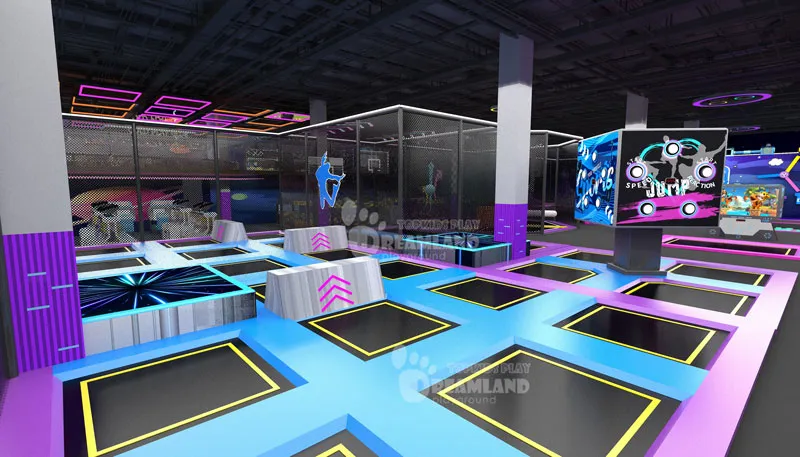
Engineering & Installation Safety: The No-Gap Philosophy
Impact Attenuation Systems
When someone lands hard, soft landings like airbags or foam pits take the hit. Engineers adjust how deep the system is, how thick the foam feels, and what level of air pressure is needed for survival. The weight and height of the jumper shape each tweak made ahead of time. Together, these pieces absorb shock so bones stay safe even when falls go wrong. Checking in often makes sure results stay within what was planned.
No-Gap Trampoline Systems
Out here, safety setups zero in on blocking every crack around trampoline surfaces - mats, bars, and padding ends. When pieces meet, edges fold neatly; seams lap over, hold tight with strong joins, all built to block trapped limbs during wild shifts. Even when force pushes or motion bounces again, those joints stay sealed, no slip. This thinking matters most where many people move constantly through shops and restaurants.
Containment and Safety Netting
Netting around the edge helps keep people inside the trampoline zone. When tightened correctly, it absorbs sudden movements from the side. Things that hold on - or connect - are built to last through many hard landings. Irregular checks show the system has proper elasticity plus remains stable in structure.
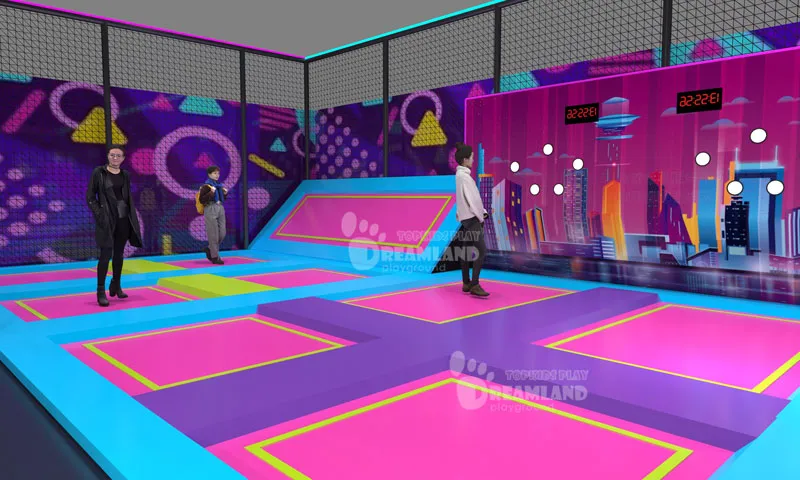
Operational Risk Management: Training & Supervision
Staff Certification
When trouble starts, officers step in to stop things from getting worse. Through training sessions built into daily routines, signs of risk become visible early on. Standing at key spots, they remain visible so people nearby always know where they are. What they do connects to handling emergencies by following rules calmly but consistently. Keeping skills current makes sure daily work fits evolving safety needs.
Age/Height Zoning
Folks aged later tend to sit apart - weight or length changes how shocks play out. When room exists, taller folks pair up based on shape and physical ability. Placing those who move more slowly or carry less in separate zones helps most during hectic stretches. Wall signs combined with visible signs close to doors make it easier for people to pick the correct zones - simplicity helps. Fewer accidents happen because of mixed-up jumper tags when this setup is used; results show a noticeable drop.
Pre-Flight Briefings
Ahead of jumping, individuals learn vital safety information through a preliminary conversation. Information shared at this stage focuses on landing safely, what to steer clear of, and locating nearby jumpers. Rather than relying solely on written notices, groups could organize talks, display electronic visuals, or screen ready-made audio recordings. Each change made to the story adjusts what needs to be done.

2026 Maintenance & Digital Inspection Checklist
Daily Visual Checks
Before anyone enters, workers check the springs and mat tension closely. During regular hours, too, they look at how the padding lines up and watch for cracks or tears. If something seems off, it gets fixed right away - otherwise, that section stays shut. This process stops small flaws before they grow into risks.
Quarterly Deep Audits
Once every quarter, builders take time to review how structures run plus what shape their parts are in. Instead of only testing the operation, they look closely at wear - tightening bolts, spotting corrosion, and checking welds under fixed rules. When required, sections come apart so inspection tools can reach deeper. People doing the work bring real practice along with them. Whatever happens, notes are taken. Work keeps going until repairs finish properly.
Digital Logging 4.0
Digital Logging 4.0 transitions safety from reactive to predictive. By utilizing cloud-based SaaS platforms, Dreamland Playground enables operators to sync real-time inspection data with insurance providers. Automated alerts trigger maintenance tasks based on cycle counts (total jumps) rather than just time, ensuring a zero-downtime safety protocol that simplifies audits and lowers insurance premiums.
Conclusion: Building a Safer Future with Dreamland Playground
From the start, safety rules from around the world shaped how Dreamland Playground was created - each step considered: planning, construction, installation. Components like steel frameworks or soft foam pieces follow or exceed guidelines such as ASTM and EN standards. Following these rules steadily leads to a longer life and better protection while playing. Each part sticks to an obvious layout, made strong on purpose, shaped close but sure. The links, screws, or fits do not skip proper safety steps.
At Dreamland Playground, safety inspections happen through trained staff following straightforward steps. When planning begins, floor layouts change as space demands require. Setup proceeds only after area connections have been checked against safety guidelines. Every idea connects to how the land is shaped and what tasks people do every day. Jumping in right away cuts down design problems, also smoothing out feedback stages.
FAQs
What Are the Primary Causes of Park Injuries and How Do Standards Prevent Them?
Most trampoline park injuries happen when people collide, fall, or land badly. Following global safety rules like ASTM and EN helps place enough padding, keep mats at safe distances, while also ensuring proper oversight - this lowers the chance of harm. Sticking to these guidelines cuts down on incidents and legal trouble.
What Is the Average Lifespan of Commercial-Grade Mats and Springs?
Every now and then, someone looks into how long commercial trampoline gear survives. Usually, jump mats and metal springs hold up three to five years with proper care. Better materials, along with components tested by professionals, might extend that time while still staying secure.
ASTM vs. EN: Which Certification Do I Need for My Region?
From coast to coast in North America, ASTM standards hold firm - other regions on the globe run on EN rules. Global players often align with both sets, just to keep pace with cross-border regulations and insurance requirements.
What Are the Fire Safety Requirements for Interior Padding and Foam?
Each part of indoor foam padding must meet standards such as NFPA 701 or EN 13501-1. Since these products meet strict safety checks, they slow how fast fires spread - helping protect those inside while reducing harm beyond walls.
How Does Dreamland Playground Handle Third-Party Safety Audits?
Now and then, Dreamland Playground does routine checks - quiet, careful reviews - to see if construction, setup, or daily operations meet standards. Results return as straightforward reports, both on paper and stored digitally, ensuring reporting stays organized while covering necessary yearly obligations under regulation.