

The Ultimate 2026 Daily Safety Checklist for Indoor Playgrounds: Protect Your Guests and Your Business
By 2026, spotting harm isn’t the only thing that matters inside indoor playgrounds and play zones. Following rules like ASTM F1918 becomes key - it helps cut down accidents and lawsuits. When staff complete a written safety review every morning, proof appears they’re taking care. This act alone can back them up if problems arise, while insurance teams notice efforts are real. When records stay accurate across time, they often help insurers see better results. This stability might even lead to lower costs over time. This blog will explain the ultimate 2026 daily safety checklist for indoor playgrounds and how it helps protect both your guests and your business.

The Pre-Opening Walkthrough (The "Golden Hour")
Before the sun rises high, safety checks begin even if no one's there yet. These lookouts take place right before doors open to visitors. Late-night weather shifts, along with moved machinery, alter hidden details quietly. Even when loops appear normal, cracks can still appear - stress signs hide beneath the view. Catching issues early blocks damage while maintaining balance.
Focus on High-Traffic Zones
Out there, beyond regular spaces, heavy activity flares up - ninja courses, slide entrances, foam pits, even landing zones. Since risk runs higher here, inspections kick off straightaway. Frequent use wears down the equipment balance more quickly than anywhere else. That shift reshapes the floor plan before others catch their breath. Keep a hazardous zone blocked - no entry - until repairs finish.
Check for Loose Bolts and Hardware
Bouncing, swinging, or climbing brings small jolts that could loosen tiny metal bits. Check each visible screw or nut well. Movement - no matter how slight - tends to wreck machine pieces fast. Sometimes loose bits must get secured if safe, though shutting things down works best.
Surface Integrity and Padding
Something as small as a misplaced mat could cause trouble. If the padding moves even slightly, injury might happen. One part of the netting left open may look harmless at first glance. Still, that small issue alone can create problems later on. Misaligned edges increase risk faster than stress on safety gear. Line-up precision is equal to the preparation of tools and supplies. Before moving ahead, tackle every broken spot without exception.
Debris and hidden hazard checks
Underneath, toys, bottles, or discarded items often collect near play structures in foam pits. Since they stay out of sight beneath the surface, catching them means more than glancing overhead. At dawn each day, staff must slow down and check every nook by themselves. What gets caught in place often holds things back. When debris clears tight spaces, risks like scrapes or entrapments drop. Fewer snags happen because obstacles move out of the way.
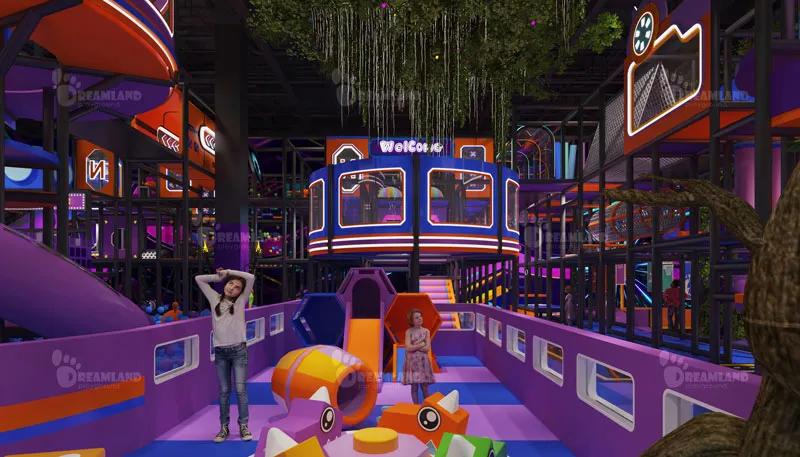
Equipment-Specific Checks (Ninja Courses, Trampolines, and Ball Pits)
Each kind of attraction brings different safety risks - no single approach works everywhere. Spotting what's really wrong takes clear observation, focusing on equipment details rather than glancing by. If staff pinpoint specific hazards, fewer incidents happen, and compliance improves. Each morning brings new findings to record.
Ninja Course Inspections
Inspect all load-bearing carabiners and structural anchor points for signs of metal fatigue. For hanging obstacles, verify the tensile integrity of the grip material and ensure all landing mats are correctly positioned and show no compression failure.Underweight, those anchor spots must stay put and not slide around when filled. Study warped walls closely - cracks count, just like strange shifts or wobbles in the structure. Shaky things require attention straight away.
Trampoline park checks
Conduct a systematic tension test on all trampoline beds. Staff must inspect for spring fatigue and ensure the integrated safety padding fully covers the frame and springs, leaving no exposed steel or entrapment gaps. Straight alignment matters too; the structure must sit level side to side. Padding needs full coverage, each spring, and the border sealed without holes. When springs protrude or metal is visible, risk increases sharply. Immediately remove any dangerous trampoline from service.
Ball Pit Safety and Hygiene
Down in the ball pit, little ones plunge into soft foam. Beneath that top layer, plenty of balls must stay put to handle sudden falls. Take out too many, and hitting something hard - like concrete or wood flooring - becomes easier. Nobody quite knows how regularly those plastic spheres get disassembled for washing. A log entry captures every move the machine makes. Later on, those lines might protect someone if harm occurs. Evidence suggests that cleaning tasks and attention-driven routines have occurred, as shown in stored data.

Hygiene as Safety: The Sanitization Log
US Market Trend
Safety climbs near the top of shoppers’ thoughts once the country recovers from 2020. Nowhere is this clearer than at places quietly boasting neat surfaces. Paper cutters wear gloves, windows get scrubbed on set days - small moves speak volumes. Folks notice these details without being told they should. When cleanliness fades, illness creeps in, shaking trust just as much as health risks do today. Daily routines now include spotting signs of poor personal hygiene due to strict safety guidelines.
Checklist Item: Touchpoint Sanitization Verification
Daily operations lead to a buildup of bio-contaminants on high-touch surfaces such as handrails, climbing grips, and soft-play PVC. In 2026, sanitization logs must verify the use of non-toxic, hospital-grade disinfectants with recorded application times. These spots grow residue from contact. Cleaning them helps reduce invisible threats. After each round, staff review records to confirm steps were followed correctly. A date shows up in scribbled lines, next to the zone where someone did the job. Those same written words carry a worker's number inside them, too. When inspectors come calling, paper trails like these make answers easier to give. They also line up well with moments when things broke down or worked out just right.

Staff Training and Emergency Readiness
Folks working on location start doing safer tasks once clarity kicks in. Daily checks by employees often nudge behavior toward stricter adherence. Familiarity with emergency exits - or quick reaction steps - kicks in when it actually matters. When people step up, problems smooth out without the rush. Being prepared helps teams move more quickly, and results get better. Prepared teams handle setbacks with less noise.
Emergency Action Plan (EAP) Review
During daytime shifts, each worker must understand the 2026 Emergency Action Plan. In case of injury, workers exit buildings safely under clear directions. If phones or radios fail, team members follow backup signals already mapped. At every post, one person - the lead - takes charge during critical moments. Their role maps out response steps before problems arise. Nowhere is consistency more key than staying aware of deadlines. Regular updates make it easier to remember what comes next. Staying informed day by day helps avoid surprises later.
First-Aid and Emergency Equipment Visibility
First aid kits require full supplies, kept handy. Where they’re used, clear directions guide people to automated external defibrillators. Paths leading outdoors show up plainly, without being blocked. Visibility matters - rescuers need instant access. If gear disappears or gets blocked, trouble might follow. Companies could face stricter legal challenges when such events happen.

Get Your Professional 2026 Daily Safety Checklist Template from Dreamland Playground
From Dreamland Playground comes a practical template - ready for your professional use - to handle daily safety checks without guesswork. Built on ASTM F1918 guidelines, it fits both standard protocols and actual playzone conditions indoors. Risks show up quicker when your group follows its logic-based layout. Records stay accurate since each step has a clear spot. Preparedness stays strong, no matter the review date. A single page holds space for tracking tools, cleanliness records, plus worker identities - keeping tasks on track without slips. Because the layout stays clear, preparation takes less time while accuracy holds steady across days.
Workers who follow organized routines tend to pass scrutiny more reliably when audits happen or problems arise. Not some usual template - this comes from real-world use. Keep those at your event safe, plus workers and your operation too, using a checklist built around the 2026 rules. Get it now and turn safety into structure instead of chance.
FAQs
Q1: How long should I keep our daily safety inspection records?
Keep records on file for three to five years, sometimes more when insurance or community rules say so.
Q2: Does a daily checklist really help lower my insurance premiums?
That’s right. Insurance companies look favorably at sites where regular safety checks happen, along with clear records of risk control.
Q3: What are the most common "hidden" hazards in a Ninja Course?
Loose anchors can cause problems, especially when grip surfaces show signs of wear. Unstable mats during landings add another layer of risk. Damage that happens at night - without anyone noticing - often leads to bigger issues later.
Q4: If I find a minor safety issue, do I have to close the entire park?
Not necessarily. You can implement a 'Zonal Shutdown.' Simply decommission the specific piece of equipment with clear 'Out of Service' signage and physical barriers, allowing the rest of your facility to remain open while staying compliant.
Q5: Who makes sure people follow the checklist properly?
Every shift has someone accountable. Digital logs track what happens. Supervisors show up now and then to check records. Responsibility stays clear across crews.