

How to Build a Safe, Space-Efficient, and Profitable Soft Play Area
What holds a busy indoor playground equipment together? Soft play. Not just some area set aside for little ones - it draws people in, especially kids between zero and six years old. Parents keep coming back when those tiny legs move fast across climbing frames. During regular weeks, when floors get scuffed and laughter fills every corner, this spot pulls in more guests than anywhere else. Choosing gear isn’t always easy for operators, who also face challenges in risk assessment, floor planning, and financial returns. Built for real-world choices, this resource aims to support those running indoor play zones, children's leisure projects, or shopping centers looking to add soft play sections - each version needing space awareness, safety clarity, and profit potential.
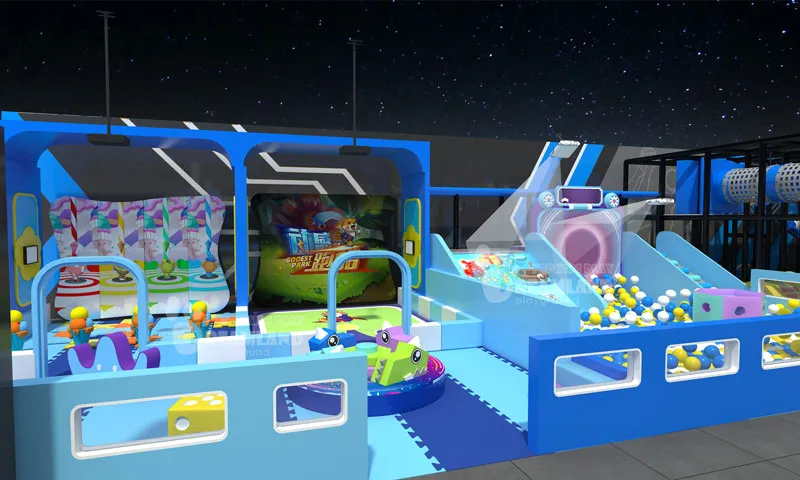
What Is a Soft Play Area?
Looking through the operator's view, a soft play area is a safe space filled with padding where young children move, discover, and connect without serious harm yet still allowing close watch. It functions first among the main games inside the center, drawing parents with small kids who later might explore broader options. Unlike energetic spots like trampoline areas or fast-paced game halls, this area thrives on gentle play at short heights, draws steady traffic, follows regular routines. This helps keep revenue steady, drawing people every day instead of depending on sudden spikes - no need for rare occurrences.
Every time you observe, one thing stands clear. Built for repeated visits, these spaces welcome young children more than once. Inside, play happens inside clear boundaries made for close oversight. Open sightlines remain constant while flow stays smooth throughout. None of this changes just because numbers rise at certain times. Daily draws aren’t needed for balance to exist naturally.
Strategic Role Within an Indoor Playground
Something quiet pulls folks through an indoor play area. Steady bits of soft play form its base. When few come, it still draws people in. Families juggling children at various stages get something out of this spot. Workers do not scramble between turning on bright attractions. It sits back, quietly handling everyday movement.
Difference Between Soft Play and High-Intensity Attractions
Unlike trampoline parks, ninja courses, or arcade zones, soft play has fewer injury risks plus easier oversight needs. Attractions that demand intense effort tend to pull in guests just now or for special events; on the flip side, soft play invites steady return visits.
Revenue Stability and Commercial Value
Regular trips hold up soft play profits because repeat subscriptions and event hires return often. Longer playtimes among children frequently draw parents to hang around longer, increasing added revenue while avoiding higher baseline costs.
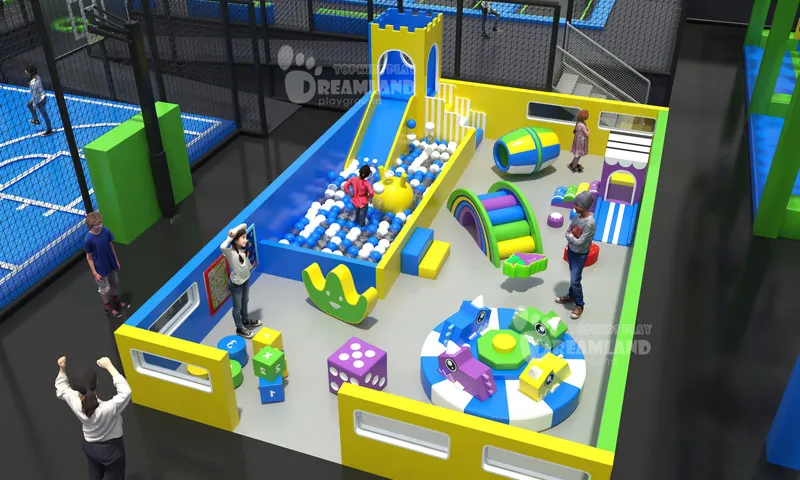
Common Mistakes When Planning a Soft Play Area
Starting off blind, choosing equipment while unaware of the space layout. This misstep sets everything after it.
Mistake 1: Choosing Equipment Before Understanding the Space
One thing people often miss when mapping out a space? Looking past the catalog drawings when picking soft play equipment. Things such as support columns, ceiling height, emergency exits, or where people enter usually go unnoticed. Small openings show up when layouts go off track. Odd angles often follow, along with empty corners that could be used. Room after room might lack actual play spots if space gets stretched too far. Handling issues once they appear tends to raise costs down the road. A shaky beginning can put people at risk. When things start off badly, making money stays tough for much longer.
Mistake 2: Overcrowded Functions and Poor Circulation
Too many toys packed into a tight room usually hurts the fun. When children have no room to stretch, paths cross often - sometimes someone trips. If getting from one plaything to the next feels chaotic? Adults often find things harder, require additional support, yet falter during peak moments. Simpler arrangements tend to perform well instead of packed systems overloaded with unnecessary components.
Mistake 3: Ignoring Supervision and Visibility
What happens out of sight needs attention too, not only from staff but also from those supporting them. When walls or tight passages block sight, risks stay concealed. Left unseen, incidents pile up, confidence slips away - someone always needs to be looking. Even if it seems small, what's visible shapes both safety and how inviting an area appears. Its effect goes beyond appearance - it pulls folks back or keeps them away.
Mistake 4: No Clear Age Zoning
Young ones around bigger children often bring trouble without warning. Instead of energetic zones, they prefer calm retreats, far different from what older ones enjoy. Loud thrill rides and intense games? Folks that tale? It pulls teens and younger kids in big numbers. Yet brings peace for little souls - still, noise rises now and then, moms and dads mutter, mishaps spike. Schedules shrink fast. With less fun time ahead, money stops coming down the road.
Core Soft Play Equipment: Function-Based Selection Guide
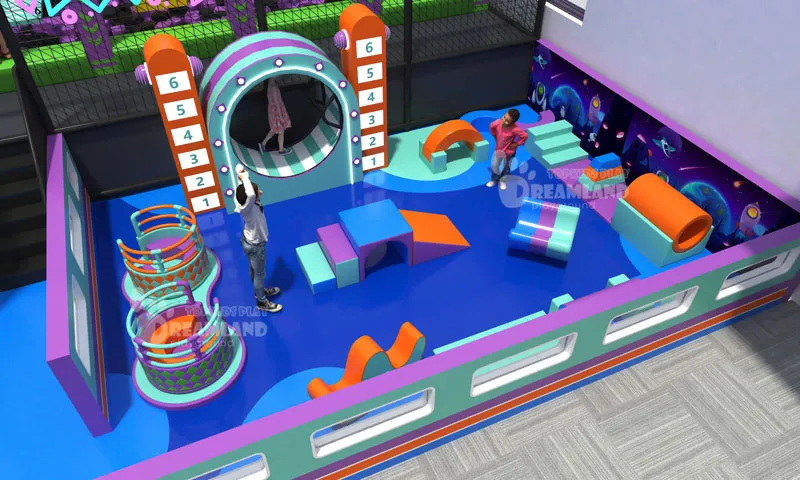
Crawling and Exploration Modules
Over by the play zone, winding tunnels plus exploration spots help young children develop core movement abilities without rushing their growth. As toddlers explore, small challenges encourage them to experiment with motion and take risks they might avoid elsewhere. New arrivals who are shaky on their feet find gentle entry points into movement through padded ramps and guided routes. Across the entire site, children stay moving through play while staff remain unburdened by sudden bursts of energy.
Climbing & Low-Height Challenge Modules
Begin with tiny jumps. Little leaps teach coordination plus precision while minimizing harm. Low heights aren’t accidents - they favor caution. Protection never skips detail: thick foam fills each landing spot, always. Fun slips in through design decisions while oversight stays straightforward - risks get tucked under gentle interfaces. What looks friendly often keeps watchful control quiet beneath.
Sliding and Landing Modules
The moment slides pop up, children follow without hesitation, moving into imaginative play. Safety comes first - open spaces keep kids apart, avoiding bumps and tight spaces. When placed wisely, flow improves; one after another finds room to stretch without confusion.
Sensory and Role-Play Elements
When children investigate touch points or recreate moments, creative play deepens - drawing them in without haste. Movement flows wider, covering space rather than concentrating at a single point. This shift helps grown-ups since questions sparked by interest tend to balance busy spots slowly.
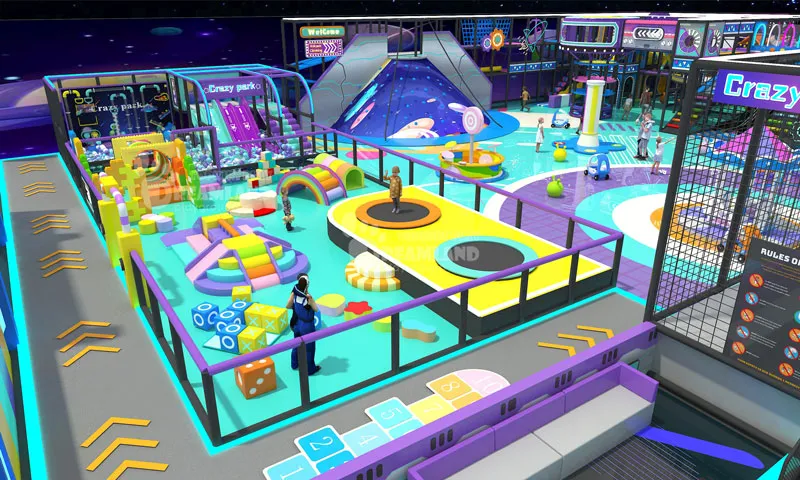
Soft Play Area Layout Strategies by Space Size
100–200 sqm: Compact Soft Play Areas
Tight places - stores, preschools - layout shapes everything. In little play zones, space to shift around counts, flow of routes keeps clear, and sight stays wide open. Every nook needs just a single purpose, openings are narrow, and access routes for servicing remain close by.
300–500 sqm: Standard Indoor Playground Soft Play
This space helps figure out a child's age without guesswork, also guiding choices about where they can go. For tiny kids, one area exists; for bigger toddlers, another appears - each adds safety while still allowing play. Close attention stays possible since grown-up areas close to entry points offer clear oversight.
500+ sqm: Large-Scale Family Entertainment Centers
Entering through separate spots helps big soft play areas function well, as long as workers keep an eye on activity across the whole area. Layout planning should allow high attendance levels without losing efficiency. Connecting to close-by play spaces, eating spots, or party rooms also adds value when planned early. Getting people where they need to go isn’t secondary - it shapes how quickly and well things run.
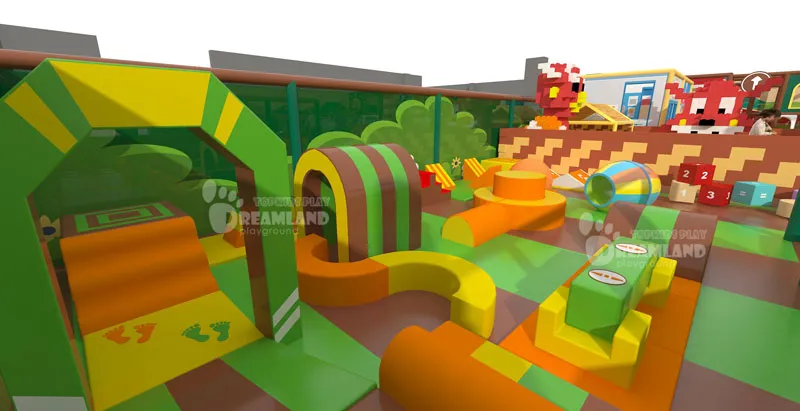
Safety and Compliance Considerations for Soft Play Areas
Most of the time, safety in soft play spots isn’t about labels claiming something is safe, even if records look okay. It grows from how spaces are constructed, step by step, with sharp observation and thoughtful decisions. What helps most is picking methods that work outside, where kids actually play - not just ticking boxes inside offices.
Fall Height Control
A safe fall zone matters most in any upper-level play area, especially designed for young users. When suitable, platform surfaces stay brief - height matters here. Instead of ladders, stairs bring fewer dangers for little ones exploring above. Beneath landings, cushioned surfaces help absorb impact, reducing harm from slips or drops.
Soft Padding and Corner Protection
Padding must cover every high-touch zone - beams too, along with corners where footpaths change direction. At intersections, slide ends, or close to entrances, protection goes further than just enough strips. Accidents tend to happen more often at edges, curves, or points where direction changes without warning. Here, safety isn’t optional - it needs to stand strong each time pressure builds up again.
Daily Inspection Logic
Each morning arrives with one clear job - find out what counts. Instead of rushing, people take time to watch netting strain, see if pads react correctly, check attachments, plus ensure surfaces stay free of dirt before lifting covers. When damage shows up early, fixes tend to be smaller down the road. When problems show up early, they tend to stay small instead of spreading fast.
ASTM and EN Safety Principles
Local guidelines may vary, yet solid soft play areas are often build around core principles drawn from ASTM and EN standards. Grouping children by age matters; so does capping the distance they might tumble if left alone. Reducing injury from impacts forms another layer. Access for grown-up supervisors remains clear and unencumbered. Entry and exit routes stay apart from active play areas.
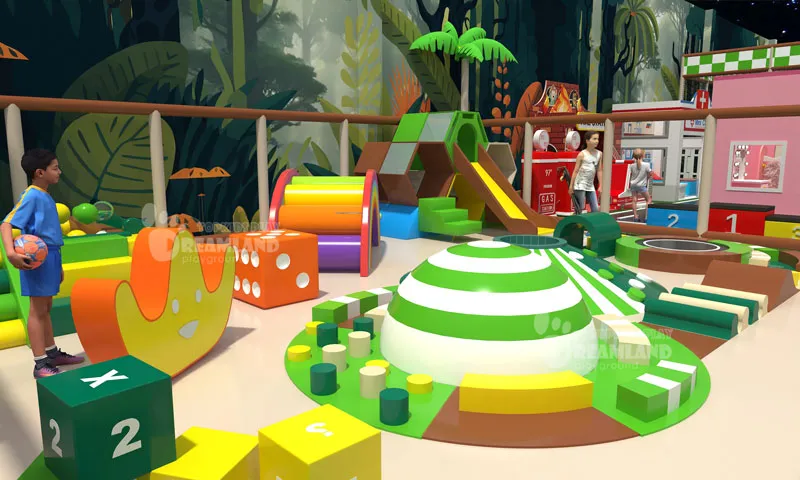
How Soft Play Areas Drive Revenue and Long-Term ROI
A playground made right - it pulls in cash while not costing each time. Making money here happens in more than one way, all active now.
High Repeat Visits and Customer Loyalty
Back again, parents say it's because soft play feels like a place that welcomes them. Adults return because everything - safety, order, space - works without fuss. Children come simply because there's real enjoyment built into each visit, not just one quick stop.
Consistent Weekday Traffic
During the week, popular soft play areas stay busy, whereas those popular only on Saturday and Sunday see less foot traffic. Early arrivals plus crowds later in day create ongoing activity across each day of the week. This spread-out use reduces strain on available room while ensuring everything stays actively employed.
Membership Program Conversions
Over time at soft play, routines tend to stick, linking regular ticket purchases with package offers. Since visitors usually come back often, building long-term connections with families happens naturally.
Birthday Parties and Extended Parent Dwell Time
Out of nowhere, birthday parties slip directly into messy play areas. After that, a pattern shows up clearly - adults linger more since little ones are occupied. Extra minutes add bigger purchases - drinks go faster, orders grow larger, and spending climbs per trip.
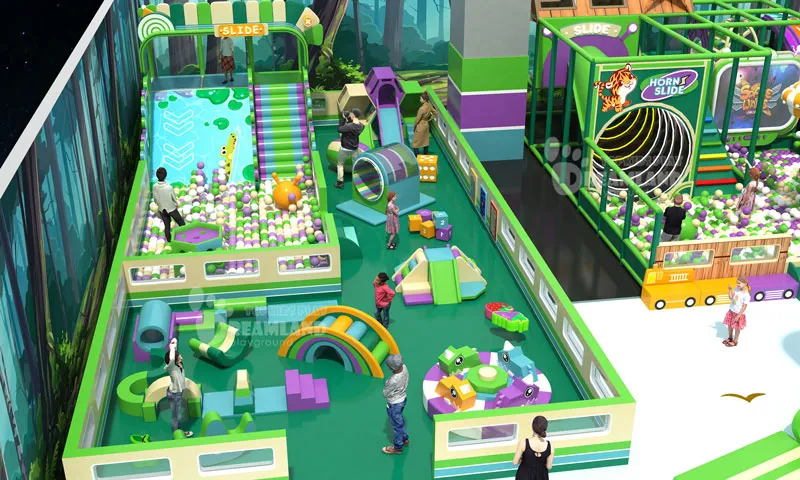
Why Custom Soft Play Design Outperforms Standard Modules
Though ready-made soft play units seem like an easy choice, they usually struggle in actual business settings. A tailored soft play setup brings stronger benefits - around daily function, budget, and identity - than any prebuilt option ever could.
Better Space Utilization
Designs fit exactly where space is limited. Instead of working around obstacles, they use them - pillars become part of the layout, narrow hallways guide play, low ceilings shape game zones. Features adapt to constraints so that every corner serves a purpose. Movement stays clear, entry points remain safe, seating areas stay open - all within uneven layouts. Capacity grows without slowing patrons down.
Higher Safety Control
With a custom setup, visibility, movement routes, clearance space, and young people kept apart can be carefully managed. Rather than adding safety features after construction is finished, the plan builds safety right into the blueprint - this cuts down danger while making oversight smoother.
Lower Long-Term Modification and Maintenance Costs
When how things are used shifts or rules change, standard parts usually need tweaks. Built to last and ready for updates, custom play setups handle growth without hiccups. Parts made to fit together mean less money spent fixing old work later. Time stands still less often in systems meant to endure.
Stronger Brand Differentiation
A one-of-a-kind approach turns basic play areas into unique experiences. Instead of fitting in, they stand out - shaped by color, theme, layout, and how kids engage. Recognition grows when design mirrors the venue’s character, making duplication tougher.
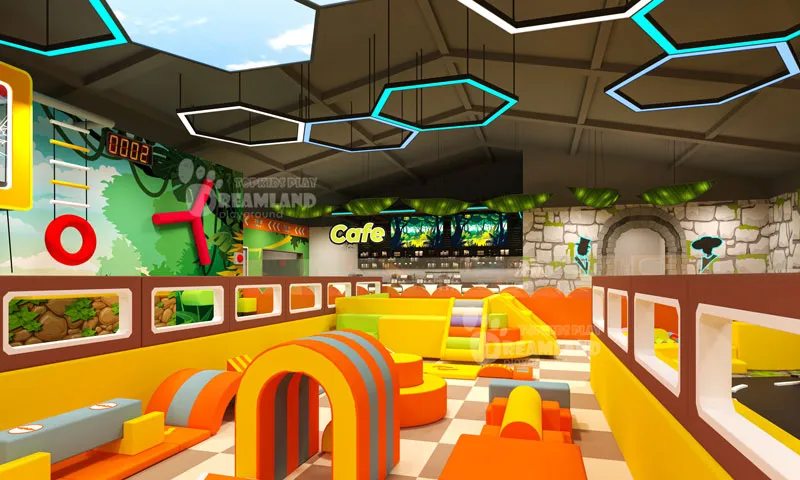
Conclusion
Think of soft play like core infrastructure - it's more than just looks. How spaces are built affects how safe they are, how many kids can fit, how well staff manage, and also what parents think of the place.
What makes a soft play setup work isn’t having lots of things. It’s about how those pieces are placed - flowing well, divided neatly, built for a reason. Spaces packed with gear rarely beat quiet, thoughtful layouts.
A soft play space shaped well stays strong - repeat customers follow, daily hiccups shrink, and financial gains settle in quietly across seasons.
FAQs
What is the optimal age range for soft play areas?
- Babies after half a year tend to like soft play quite a bit. Children between the ages of two and eight keep returning to those spots often enough.
- Peak activity often lasts between one and six years, especially if pressure builds, threats escalate, and setbacks start to appear.
- When children shift classes, most tend to go where learning grows more intense, so younger students’ spaces must be organized thoughtfully to manage changes smoothly.
How much space does a soft play area need?
Around eighty to one hundred twenty square metres usually fits a decent soft play area.
Around two hundred fifty to three hundred fifty square feet usually fits everything needed without feeling too cramped or huge. Space like this lets people move freely while still seeing each other clearly. Keeping younger kids separate from older ones becomes easier here too.
Size matters less when floors feel cluttered. When corners are cut on flow, workers find themselves stuck, and thinkers lose room to breathe.
Is a soft play area profitable for indoor playgrounds?
Fair answer, yes, it is. That shifts it forward, making it core, never just an afterthought.
- Staying put longer - families return more frequently because kids enjoy their time here. Handling large groups comes naturally, allowing workers to prepare smoothly instead of reacting late.
- Profits rise as visitors spend additional time on site, turning every stay into something greater than first seen.
- Ahead-of-time thinking by designers - like how things will be fixed or updated - makes working with parts smoother later on.
How often should soft play equipment be cleaned?
- Each morning brings another round of touching often-used areas. When shifts begin, fast cleans handle tasks quietly.
- Each week, without fail, a roll through the calendar sets off deeps whenever floors or shelves need attention.
- Built for service, parts remain reachable as time goes on - this reduces holdups while keeping tasks moving without hiccups.
Can soft play areas be combined with trampoline parks?
Sure. Mixing soft play with trampoline parks works, so long as spaces stay separate and safe. One area for little ones focuses on gentle climbing, tunnels, while another lets teens bounce high above mats. That way, parents find room for everyone without confusion or risk. It turns one spot into two experiences under one roof, drawing more visitors through the door.