



Top 10 Sensory Playground Equipment Ideas to Enhance Child Development
Sensory playground equipment is designed to engage a child’s five senses (sight, sound, touch, smell, and taste). For this reason, it can be a powerful tool for early childhood education. Exploring sensory play ideas helps children develop neural connections and can aid in the development of important motor skills and vestibular experience. This type of play can also help children develop important skills for life, including spatial awareness, coordination, and healthy communication. In this article, we will explore 10 of the best pieces of sensory playground equipment that will help children reach their full potential.
Why Sensory Playground Equipment Matters for Child Development
Sensory playground equipment is vital to the physical, cognitive, and emotional development of children. Its function is to encourage play that involves several senses and engage children in multi-sensory play. Most children’s playground equipment activates several senses for children, including their sense of touch, hearing, and balance, to promote important brain activity, while helping them to master vital physical skills, coordinate their movements, and address their sensory needs. Here are the top Sensory Playground Equipment ideas and how to put them into a kid-friendly indoor playground setting. Understanding the importance of sensory play and how it contributes to a child’s growth and development is fundamental to creating a natural and inclusive children’s play environment.
What Makes a Great Sensory Playground Equipment Design?
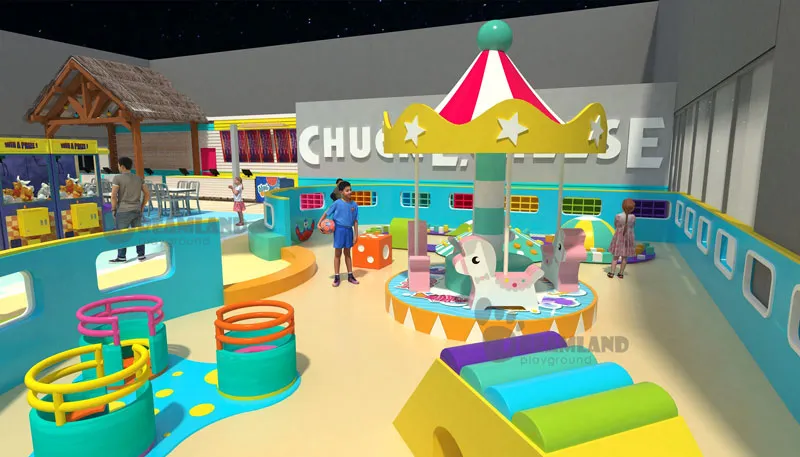
A great sensory playground design for kids engages them through multiple senses, and an inclusive playground design for kids with disabilities engages ALL kids with disabilities. Designing or selecting an indoor playground for kids with disabilities begins with multi-sensory engagement, adaptability, and safety. Incorporating soft signs and adaptive play structures for kids with disabilities into a sensory playground creates an inclusive playground for all children. Sensory playgrounds help kids develop fine motor skills, engage their vestibular system, and challenge them to think, learn, and have fun – through creative, imaginative play.
Top 10 Sensory Playground Equipment Ideas
1. Tactile Play Panels
Tactile play panels are used for sensory development. They include a variety of textures and materials for children to touch and explore. Some examples of materials that can be incorporated into these play panels include rubber, fabric, and textured plastic. Children using tactile play panels will explore, practice fine and gross motor skills such as grasping and manipulating objects, hand-eye coordination, and gain knowledge of their senses through discriminating between different textures such as smooth, rough, soft, and bumpy. Children with sensory processing issues can benefit from a tactile play panel, as it can aid in developing the child’s tactile perception. In addition to tactile play panels, many panels also incorporate a sense of sight and hearing. These can be used for cognitive and physical development of children through play in safe, educational, and interactive environments.
2. Interactive Sound Play Equipment
Children engage in interactive sound play to learn their listening, memory, and sound discrimination skills. Xylophones, drums, bells, and other similar types of sound equipment found on the playground make sound when used. Children can use these objects to experiment with cause and effect, rhythm, and sequencing. In some cases, interactive sound play involves two or more children making music together. Interactive sound play equipment enables children to further process auditory information and explore creatively through the senses.
3. LED & Light Sensory Features
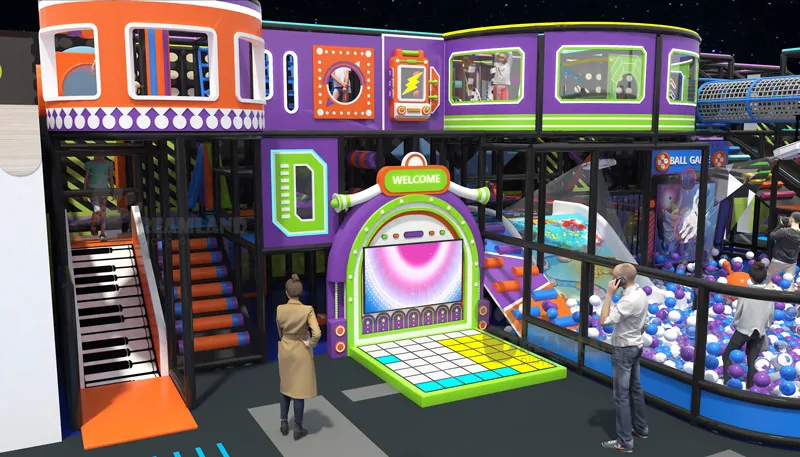
Our LED and light sensory products offer a new play feature for your playground. Some of our products contain interactive lighting. The lighting features either LEDs or traditional lights that change colour and pattern. Some of these products even change in response to the child’s movement. These fun and interactive products promote colour recognition, cause and effect, and an awareness of personal space. Children with sensory issues can be assured that these products can be set to a very soothing colour and transition. Many of our light products also promote social interaction. For example, some of the products can be set up to light up in response to a child’s movement, allowing for an interactive game between children. These tools are ideal for a sensory playground as they aid visual learning.
4. Soft Climbing and Foam Structures
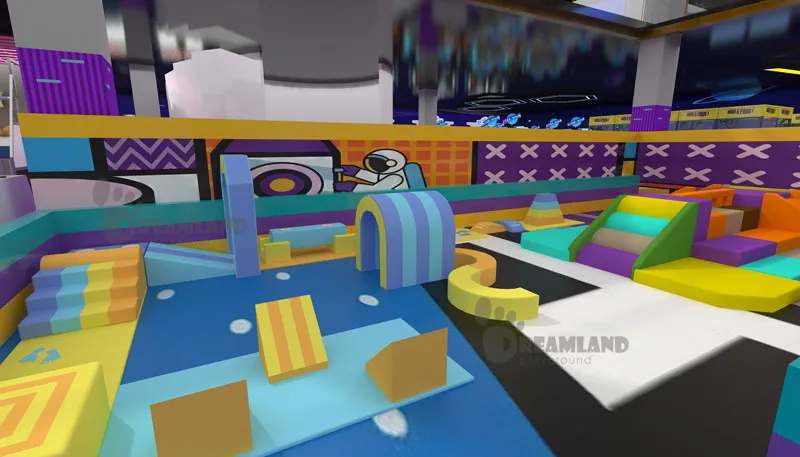
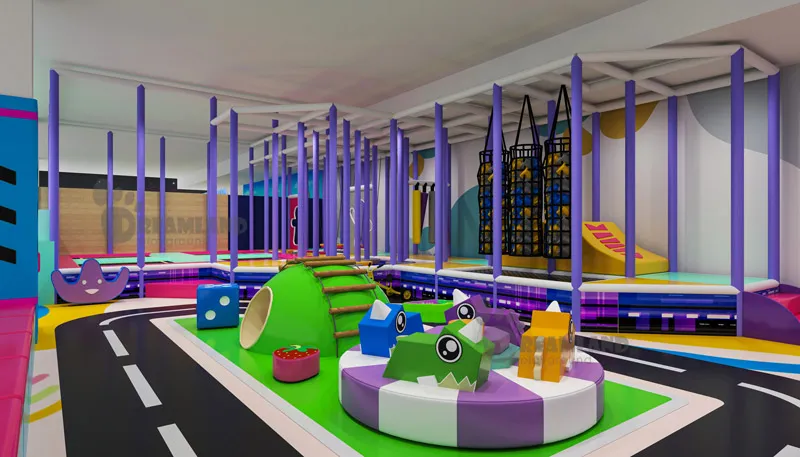
Soft play, foam play equipment, and interactive play equipment are ideal for promoting kids' physical activity. Our soft play structures and custom-designed foam play units encourage gross and fine motor activity through physical play, helping children to develop important physical skills. All of our super soft foam play equipment, including foam mats, foam blocks, foam cubes, foam tunnels, and foam obstacles, promotes gross and fine motor activity through climbing, sliding, hanging, and swinging. Young children, as well as children with sensory processing challenges, can use our soft climb and other physical play equipment to utilise their imagination and explore healthy physical activity options through fun soft play structures. We offer the perfect setting to encourage an early appreciation of exercise and promote non-competitive social interaction through fun, collaborative play. Our kids' climbing equipment is an excellent way to introduce children to physical activity, providing non-intimidating structures with climbing bars, nets, and slides.
5. Sensory Swings and Motion Equipment
The beach sandbox has sensory swings and motion play equipment, ideal for vestibular (movement) stimulation and balance. Children will use vision and body sense to understand movement and body position as they swing back and forth. Many children with Sensory Processing Disorder enjoy the slow, rhythmic swing motion. The sandbox swing is often played on by many children at one time in a variety of interactive play scenarios. This equipment allows the children to explore movement, balance, and regulate their emotions.
6. Ball Pits with Sensory Elements
Children often enjoy playing in ball pits while engaging in tactile, proprioceptive and vestibular experiences in order to achieve coordination and balance. By adding sensory to a ball pit, children can explore the experience of different textures of balls, while being entertained by interactive lights or engaged by projected images into the ball pit. In addition to these solitary experiences, children can use the ball pit to engage in cooperative play and social interaction with peers. As children play together in the ball pit, they take turns and communicate with each other. The ball pit is a fun, safe and engaging space where children can practice and refine gross and fine motor skills while exploring various senses of touch, sight and movement within a contained space.
7. Interactive Projection Games
Many interactive projection games have been recently introduced into today's playgrounds and entertaining facilities. These are new generation games, which amuse children through a variety of imaginative and entertaining projected activities. Players react to the games by walking, jumping, throwing balls, objects and even bats in order to hit objects projected on the floor or on walls. Children can also simply chase projected characters and solve different tasks while playing. The new generation games for entertainment facilities offer children the opportunity to solve different physical challenges, while improving their coordination, fine motor skills and spatial awareness. Additionally, many games encourage team play, enhancing social interaction and mutual support between children. Combining visual stimulation, tactile action and active movement, this new generation of games are entertaining for children and adults alike.
8. Sensory Tunnels and Crawl Spaces
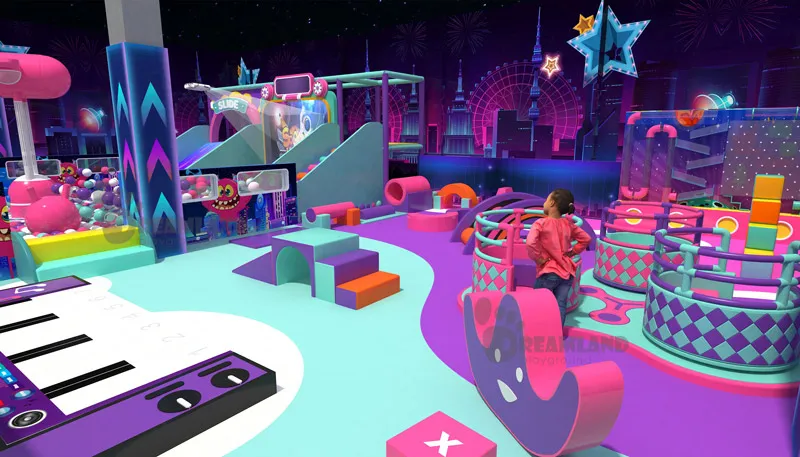
Children using sensory tunnels and crawl spaces engage in interaction with various textures and materials within these spaces to provide their bodies much needed experiences in these very specific environments. Sealed spaces can be very powerful for engaging a child’s sense of touch, as well as their sense of proprioception and their vestibular system. By engaging in this type of play children can use their muscles to move their body to access other things to further strengthen and coordinate the many parts of the body for the development of fine and gross motor skills. Sensory crawl spaces can also serve as a tool for calming and relaxing children with sensory difficulties. Children can also use these spaces for imaginative play, replicating daily living skills or other scenarios that are meaningful and relevant to them. This type of play is often solitary however children can also work together to complete tasks or play games like “follow the leader” or attempting to complete a maze or tunnel course set up as part of a larger sensory playground.
9. Sand Sensory Play Areas (Indoor Adapted)
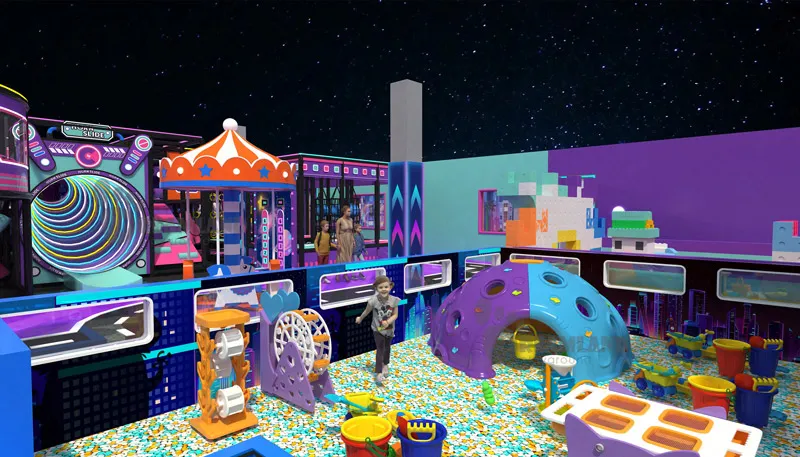
Sand play involves children engaging in an indoor tactile sensory activity to build fine motor skills using different textures. Kinetic sand or brightly colored sand is poured into a sandbox or a sand table tray and children can use different types of scoops and shovels to dig, pour, sift and mold the sand into shapes, designs and structures of their own creation. They can experiment with concepts such as volume, capacity, shape and weight, all while mastering hand-eye coordination. Indoor sand play is particularly helpful to children with Sensory Processing Disorder (SPD) as it can be a calming and focused activity for them. Because sand play involves so many textures, it provides children with a rich sensory experience as they explore by touching. It also offers children lots of opportunities for independent exploration and imaginative play.
10. Multi-Sensory Interactive Zones
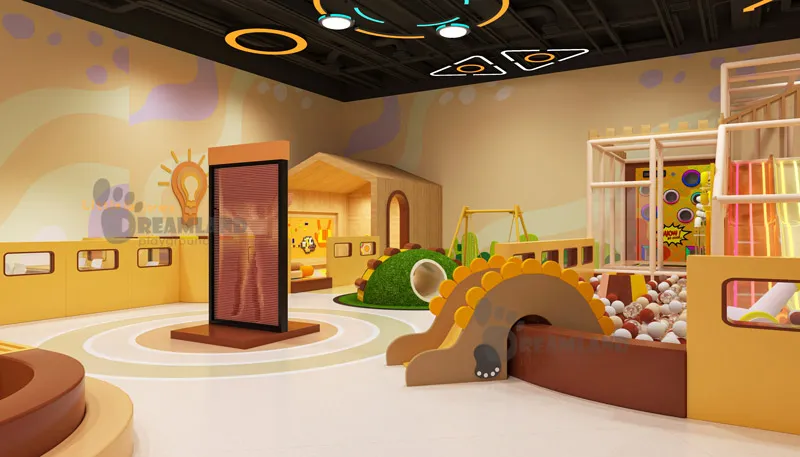
Multi-sensory interactive zones have something truly special about them – they’re so versatile and offer so much fun and play value that it’s hard to resist creating them in your educational setting! Developed with sight, sound, touch and motion in mind, Multi-sensory interactive zones incorporate multi-functional interactive products such as high quality children’s art tactile panels, programmable LED panels, swing balls and innovative interactive play units for children of all ages. Providing a space to encourage creative expression, imagination and exploration of the world through play while building critical sensory processing skills, kids can also practice sharing, taking turns and cooperation while being challenged through open ended problem solving play.
Creating a space inclusive to all children with varied abilities and special needs is paramount which is why the Multi-sensory interactive zones enable children of all developmental stages to engage in shared play, social interaction, peer to peer teaching and independent exploratory learning with their friends. Within a comprehensive sensory-based playground setting, the Multi-sensory interactive zones embody a unique learning environment ripe with ideas for kids to ignite imagination, explore and learn through play and activities.
Benefits of These Sensory Playground Equipment Ideas
Children using sensory playground equipment experience multi-faceted learning through physical, cognitive and socio-emotional play. Interactive features such as tactile panels, lights and motion-based equipment encourage children to develop fine and gross motor skills to help build strength, balance and coordination. Cognitive skills are developed through exploration of interactive equipment while children test cause and effect, identify patterns and solve problems.
Children also express creativity, use imagination and engage in social interaction through playground equipment and structures that encourage independent and collaborative play. Children access a calm or stimulating environment to support their sensory needs and have fun at the same time. For typical children, sensory play is an enjoyable way to support all round development.
For children with diagnosed sensory processing challenges, sensory playground equipment can also provide meaningful and challenging access to fun inclusive play. Long-term effects of using sensory and motor skill development equipment include a strong foundation for future learning and academic success, ensuring children have the tools to thrive in all aspects of life.
How to Choose the Right Sensory Equipment for Your Indoor Playground
Choosing the right sensory equipment for an indoor playground starts with knowing the needs of the ages targeted for use. By creating a well-balanced, sensory-rich environment that allows children to explore and learn, you can foster growth and development. For younger children, providing opportunities to interact with soft and tactile elements such as foam play structures, sand play options, and tactile sensory panels will provide endless hours of play and exploration. Older children can benefit from interactive sound play options, LED sensory lights, and motion-infused options like swings. Remember to consider options that are inclusive for children of all abilities. Look for options that can be adapted to meet the needs of children with disabilities and consider options that encourage active participation from parents and caregivers. Finally, think about the safety of your play structure and consider equipment made with quality materials and designed with low maintenance in mind. Projects worked on by Dreamland Playground feature customizing different components to fit a client's needs. These playgrounds provide a wonderful return on investment for kids' overall development.
Conclusion
Using sensory playground equipment in your next design provides a wide range of growth and development for children. From learning and development to social interaction and physical skills, our collection is ready to inspire. Whether building a playground for a school, daycare, or public recreation setting, sensory play units provide opportunities for children of all abilities to engage in active play through their senses. With custom design options, Dreamland Playground can help you create a sensory playground that meets the unique needs and ensures children of all ages and abilities have a great time learning and playing. Let us bring your unique design to life today!
FAQ: Sensory Playground Equipment
What is sensory playground equipment?
Children's outdoor playground equipment can serve a variety of purposes, one being to engage a child's senses through touch, visual interest, auditory stimulus, olfactory experiences, and even taste. These types of structures can also serve to foster growth and understanding through experiential learning, while at the same time promoting physical activity and fun.
Why is sensory play important for child development?
Sensory play in Early Childhood Education centers promotes connection-making in the brain and gross/motor skills while introducing children to their environments through exploration, and physical, cognitive, and emotional development.
How does inclusive play benefit children with special needs?
We incorporated inclusive play elements to allow all children to participate and experience the sensory activities found in this setting while strengthening sensory processing skills and fostering social interactions.
Can Dreamland Playground customize sensory equipment?
Yes, it designs customized sensory equipment. While the sensory play structures listed above are “off the shelf” models that can be installed at Dreamland Playground, we also have in-house design specialists who can custom-design sensory play structures to suit your needs and budget.