

How to Start an Indoor Play Center Business in 2026: A Complete Guide on Cost, Design, and ROI
The indoor play center industry is one of the fastest-growing leisure and entertainment industries today. The increase of dual-income households and urbanization has created the demand for adult-supervised play environments where children can play safely, be physically active, and entertain their parents and siblings. These indoor recreational environments provide a replicated outdoor environment in which children can play and learn, fostering physical and emotional growth and development.
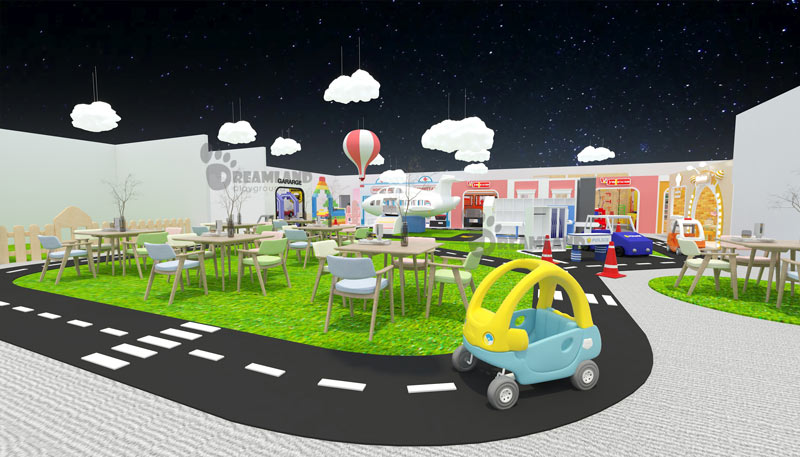
Growing Demand for Indoor Entertainment
Experiential entertainment is fast emerging as a viable trend in urban and suburban areas, with families flocking to indoor play centres for fun combined with a learning experience. The growing trend is further fuelled by the larger mall entertainment ecosystem and the concept of Family Entertainment Centre (FEC) with a play area as an anchor attraction.
Year-Round Operational Advantage
While most outdoor recreational playgrounds only get to operate on nice days, this turnkey is weatherproof and gets to operate 365 days a year in the indoor recreational trampoline park space or with the dodgeball equipment. A great investment opportunity for the savvy buyer looking for some stability and income with some real upside in today's market.
Ideal for Malls and Entertainment Venues
Indoor play centres are a well-proven and popular venue concept for shopping malls and large mixed-use sites. As well as encouraging increased foot traffic and dwell time at the mall, a good quality play centre can also generate significant value from a vacant site and create a very rewarding, enterprising business opportunity for an individual hoping to start a new venture. The business would generate a destination-based brand name, which visitors would come to again and again.
What is an Indoor Play Center?
An indoor play centre is a purposeful children’s recreational space made for fun, safe play and exploration to support children’s development. New indoor play centres are no longer simply replica playgrounds; they have evolved to include innovative design concepts, theming, features, and materials to deliver an engaging and imaginative play experience for children.
Today’s play environments are highly engineered and a core component of an overall business plan for the indoor play centre, integrating aspects of branding, customer experience, and revenue generation.
Types of Indoor Play Centers
Play centres can be categorised by the primary children’s play experience offered at the facility. Many facilities are set up as soft play centres which cater for the young children through creative play in a soft play structure made from wood or fibre, which typically will have a slide or a tunnel and also a ball pit. Other indoor playground offer activities with a trampoline aspect; a genre of the market that is growing in popularity with kids participating in free-for-all jumping and participating in organized games on trampolines together.
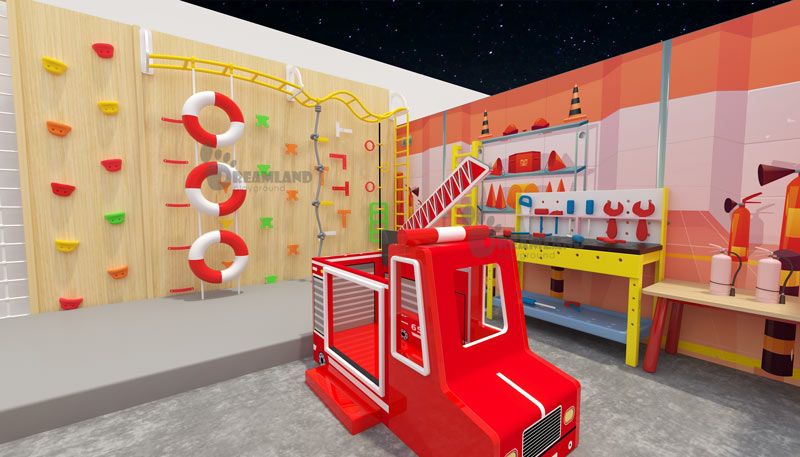
Some play centres will also offer a sensory or educational experience through unique and interactive settings that will promote the children’s cognitive play and their senses. Additionally, some playgrounds will cater to the older child and teen who are looking for an active challenge while attempting to complete a course of obstacles, including ropes course items, climbing walls, tires, and bars for a pure ninja course style experience.
Target Audience and Multigenerational Appeal
While children are still the prime target audience for family centres, there is also scope to cater to parents, grandparents, and even older siblings of toddlers. Many are now designing in a parent zone or area for carers to relax and play with children, often dubbed the “parent zone”. Others have observation areas for staff to watch on and a café area for parents and carers to relax and pay for drinks and food while children play. This approach has advantages in building customer loyalty and increasing the per-visit average spend.
Market Research and Business Planning
A detailed business plan for a comprehensive indoor play center outlines a road to success, reduces possible financial losses, and increases possible returns by identifying success potential and creating a direction for your business.
Analyzing Local Demand and Competition
Conduct an in-depth market analysis of the demographics within the proposed swimming facility service area. This demographic data should identify the population demographics (income levels, family structures, etc.) and assess the density of "kids in the household" to understand the competition and where there are gaps in the market (age groups not well served, need for premium amenities, etc.).
Identifying Target Customers and Niche
Select a niche to differentiate yourself from the pack. You can be successful with Toddler Inflatable Pools, High-End Themed Pools, Educational Pools, or Extreme Water and Slide Adventure Pools. Selecting a niche will help define your brand and marketing message.
Choosing the Right Business Model
Revenue streams should be diverse and, wherever possible, integrated. Some companies generate most of their income from ticket sales, whilst others generate more from membership fees, birthday party packages, bar and café sales from event-related performances, and/or sales in a retail shop.
Strategic Location Selection
Your location is key to how much exposure and foot traffic your studio will receive. Most indoor playgrounds are multi-level, require sky-high ceilings, lots of natural light, convenient parking, and easy access to clients and customers, mall food courts, department store atriums, and trendy retail spaces in affluent locations. Rich, trendy, and affluent locations with plenty of foot traffic are ideal for generating buzz and attention for your play space.
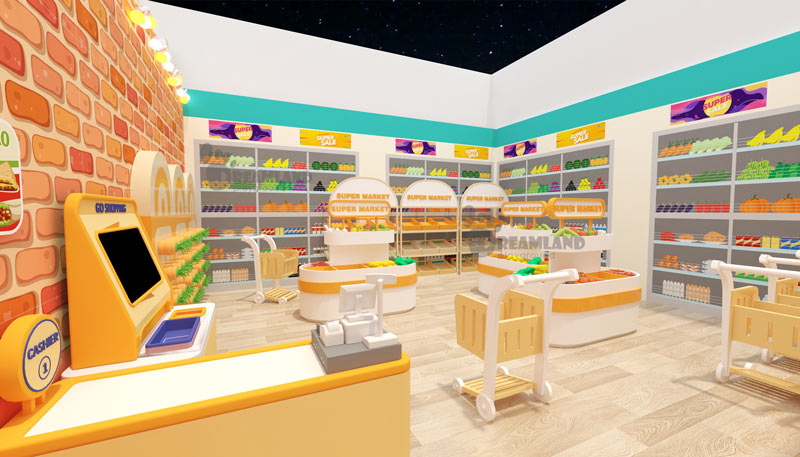
Indoor Play Center Business Costs and Budgeting
In order to give you an insight into the costs for our concept, we have created a cost calculation. The investment basis differs due to the different sizes, concept, and location.
Major Cost Components
For an indoor playground, the biggest expense is usually the commercial kids’ playground equipment, which is the core of the business. Following that come the rent, design/theming, staff, utilities, and marketing expenses. But a well-designed indoor play center with a great brand identity comes with a higher price that customers are willing to pay.
Cost Range by Venue Size
The investment required to open a small facility with one to two lanes and basic features can start as low as $50,000. However, a more typical investment for a small facility would be in the range of $80,000 to $120,000. Medium facilities with three to five lanes and full amenities would then be in the range of $120,000 to $300,000. Larger, FEC-style entertainment centers can easily exceed the $1 million mark, depending on size and number of attractions.
- Small center (100–200 sqm): $50,000 – $120,000
- Medium center (200–500 sqm): $120,000 – $300,000
- Large FEC-style center (500+ sqm): $300,000 – $1M+
Cost Optimization and ROI Strategies
Consider cost-effective construction methodologies, such as the use of modular units, which can be opened in stages. Consider a supplier who can provide a turnkey solution to your site with a guaranteed fixed price and no hidden extras. Additionally, a quick return on investment with high margins can be generated by offering birthday parties and membership-based services.
Choosing the Right Indoor Play Center Equipment
Selecting appropriate indoor play center equipment involves finding a balance between safety, durability, and fun. Focus on selecting safe, non-toxic materials and designs that adhere to safety regulations, while also choosing age-appropriate elements that promote physical activity, creativity, and social engagement. Take into account space optimization and simple upkeep to ensure operations run seamlessly. Investing in adaptable, themed gear can improve the overall experience, draw more guests, and guarantee lasting value.
Types of Commercial Indoor Playground Equipment
The choice of play equipment will depend on a variety of factors, including its suitability for the target users and the facility's concept.
- Soft play structures (slides, tunnels, ball pits)
- Sensory panels and interactive features
- Trampolines and foam pits
- Climbing walls and rope courses
- Ninja obstacle elements
Compliance with Playground Safety Standards
All play equipment must adhere to the local and international safety standards of that country, whether it be ASTM in the USA/Canada or EN in Europe. Safety standards for playground equipment define risk limits, outline structural components and materials safety, and emphasize quality playgrounds. Failure to adhere to local safety standards can put you and your clients at risk.
Custom vs. Standard Equipment
We can supply the enclosure pre-assembled for cost effective installation, or supply a number of 'standard' configurations that can quickly be adapted into a customised solution for logoed partitioning and theming to maximise interactivity and brand memory.
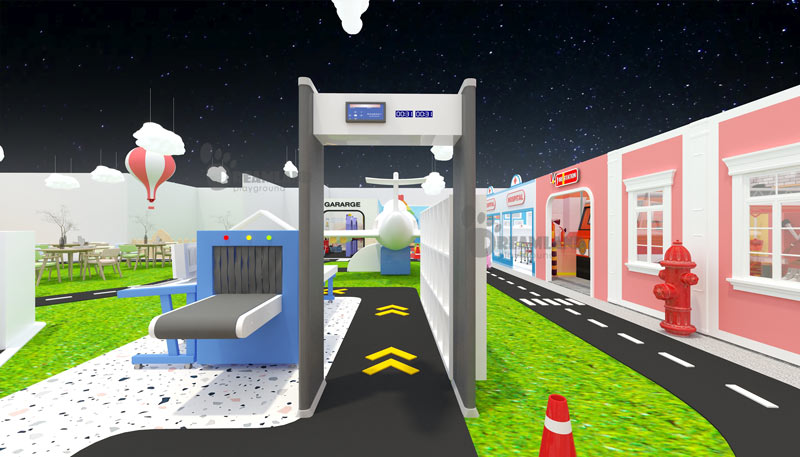
Designing an Attractive Indoor Play Center Layout
An effective layout enhances both user experience and operational efficiency. It must balance aesthetics, safety, and functionality.
Zoning for Different Age Groups
Our space is set up in play zones, with separate areas for the toddler zone, adventure zone, and sensory play. We also have party rooms and separate parent lounges. This way, kids can play with others of their age and ability, and are not at risk of harm.
Traffic Flow and Safety Considerations
Ensure:
- Clear visibility for supervision
- Smooth movement between zones
- Emergency exits are accessible
Theme Design and Immersive Experience
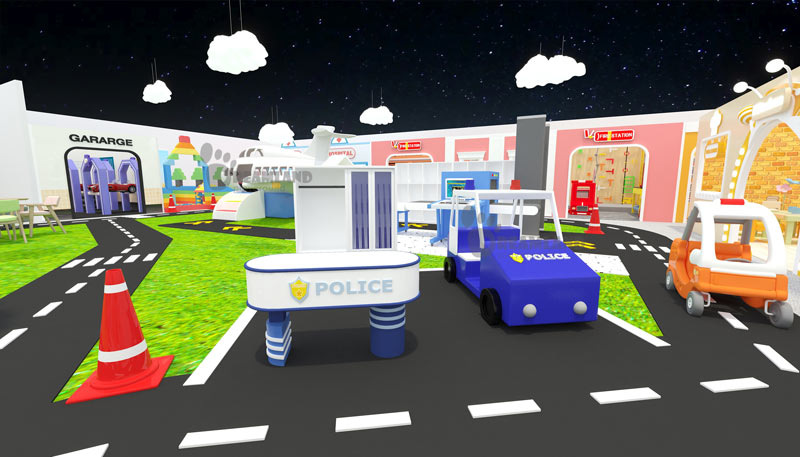
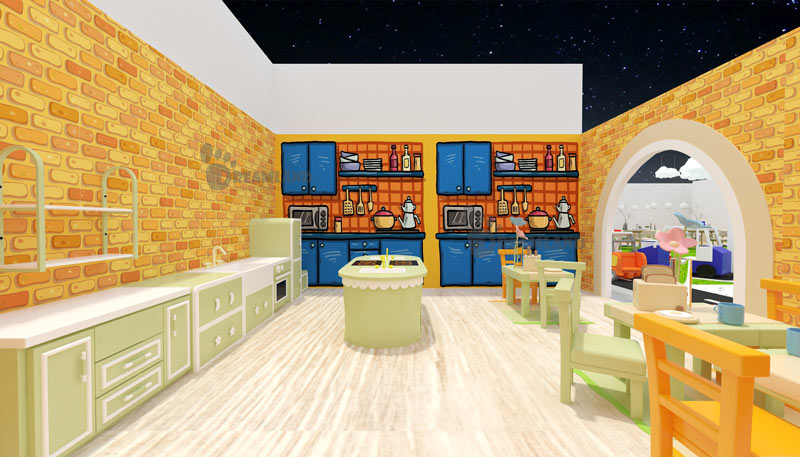
Theming is an important element in play centres that brings customers to your door! Many play centres include a jungle or submarine-themed area, some take customers to space or the future with an outer space or cyberpunk play centre, the options really are endless. Having a good theme gives your play centre branding and marketing material a real identity.
Maximizing Space Utilization
This unit is built vertically, allowing for maximum usage of space without the higher cost of additional rental for a larger unit of a completely different configuration.
Legal Requirements and Safety Standards
Licensing and Regulatory Compliance
In addition to insurance, there are the business license, health approval, and fire safety certification that need to be obtained before opening a legal business. Each country or region has its own set of requirements.
Safety Certifications
For all kinds of equipment, we demand the necessary certificates (TÜV, CE). In addition to this, we constantly check and maintain all equipment to ensure that the highest safety standards are always met.
Insurance Considerations
It is also wise to check that the contractor has comprehensive public and contractor's all risks insurance. That way, you will be protected against any unforeseen accident or injury occurring on your property. It would also be wise to check that staff and equipment are covered whilst carrying out work on your home.
Marketing and Promotion Strategies
A strong marketing strategy is in place to continually acquire and retain customers.
Social Media and Visual Marketing
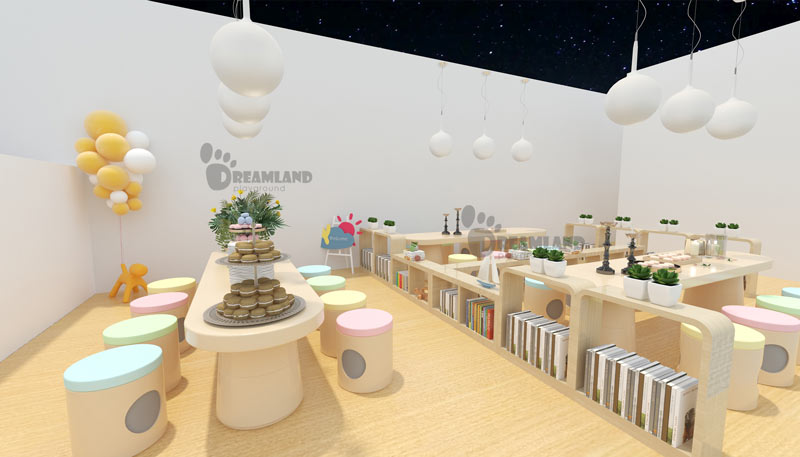
Design your facility to be striking and shareable. Incorporating “instagrammable” features will foster organic promotion through user-generated content.
- Bright colors
- Unique themes
- Interactive installations
Encourage user-generated content through:
- Photo contests
- Hashtags
- Influencer visits
Birthday Party Packages as Revenue Drivers
This is one of the most profitable revenue streams:
- Offer tiered packages
- Include decorations, food, and hosts
- Provide private rooms
Strategic Partnerships
Staying in touch with schools, day care centres, and other community organizations can also generate a regular flow of group bookings.
Local SEO and Online Reputation
Optimize your online presence:
- Google Business Profile
- Customer reviews
- Local keywords like “indoor play center near me.”
How to Choose the Right Indoor Playground Supplier
Selecting your supplier is one of the most important decisions you will make throughout your project lifecycle.
Experience and Proven Portfolio
It is essential that you select a proven supplier with relevant experience and past work history, as this is critical to delivering the appropriate skill set and service. Our suppliers have completed thousands of similar projects across the world.
Turnkey Playground Solution Capability
A reliable supplier should handle:
- Concept design
- Manufacturing
- Installation
- After-sales support
Advanced Manufacturing
Look for suppliers using:
- 3D laser cutting
- Precision welding
- High-quality materials
Zhejiang Dreamland: A Reliable Indoor Playground Equipment Supplier
Zhejiang Dreamland is a World leader in commercial indoor and outdoor Playground Equipment for Toddlers and preschoolers, with over 5,000 projects completed around the world. Our talented and dedicated team of professionals provides creative, innovative Indoor Playground designs, manufacturing, installation, and project support.
Conclusion
Enter this fun indoor play center which caters to children from babies to ten years of age for fun, adventures, and imaginative play. Creating a great indoor play center is quite a venture, and much detailed planning goes into starting such a business, from statistical market research to setting the budget and choosing decorations. Choosing quality play equipment and developing an effective marketing plan are also important considerations to operate a successful business such as this.
Success depends on:
- A well-researched indoor play center business plan
- Strategic location and layout design
- High-quality, compliant equipment
- Effective marketing and partnerships
Above all, choosing the right supplier is critical. A trusted partner ensures not only quality and safety but also a smooth, efficient project execution.
Ready to bring your vision to life? Contact Dreamland Playground today to start your project with a customized design and turnkey solution.
FAQ: Indoor Play Center Business
How much does it cost to start an indoor play center business?
Price quotes vary based on the size of the indoor playground renovation and overall complexity of the job, and typically start around $50,000 for a small renovation and can exceed a million dollars or more for larger FEC configurations.
2. What are the essential indoor playground equipment for a new center?
An indoor playground must have soft play equipment like playhouses, slides, ball pits, trampolines, climbing frames, and sensory play elements designed for all age groups.
3. How to ensure safety standards for indoor play center equipment?
Ensure the playground is safety certified to meet the guidelines of ASTM or EN in countries around the world. We recommend periodic inspections of our equipment to ensure children's ongoing safety.
4. Is an indoor play center business profitable in the current market?
There is very good potential for profit due to multiple revenue streams from entry fees, member subscriptions, and running your own events.
5. Can I get a customized design for my indoor play center project?
Yes, most professional suppliers offer fully customized playground equipment and structures that mirror the look and feel of your brand, location, and audience.