

Hidden Costs of Opening an Indoor Playground: What Investors Often Overlook
Imagine you're opening your first indoor playground. You receive a supplier's equipment quotation, estimate the monthly rent, and believe you've calculated your startup budget. Then the real expenses begin to appear—architectural design, construction, permits, inspections, freight, installation, insurance, and other third-party services quickly increase the total investment.
There are numerous costs that can be easily overlooked when ordering playground equipment. These costs can include the architectural design of your interior and the construction of that design, the necessary permits and inspections, the cost of freighting and stockpiling your equipment on site, the cost of installation of your playground, and other third-party services to support your business. This guide explains the many often overlooked costs of starting an indoor playground, so that you can have a realistic idea of what it will cost to start your business, not just to stock it with playground equipment, but to prepare the property, to construct the interior, to ensure compliance with local building and safety codes, to have your equipment delivered and to open your doors for business and to survive for the first few months of operation.
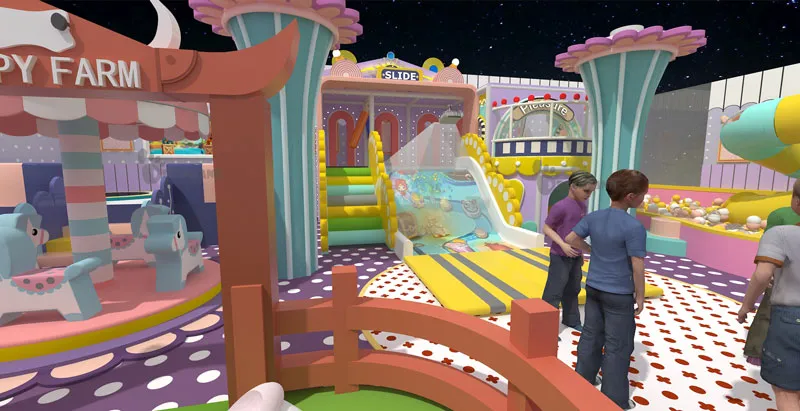
What Is Usually Not Included in an Indoor Playground Equipment Quote?
While the equipment quotation is the beginning of determining your start-up budget to open up an indoor playground, there are many other costs to factor into your overall budget. These additional costs relate to property preparation, construction, permits, equipment shipping and installation, staffing, and the operating expenses required to support the business after opening.
Construction and Property Preparation
The majority of equipment quotations do not include costs for site work (renovations) such as flooring, electrical work, heating and cooling modifications, plumbing, lighting, and interior finishes. The cost of these items can vary greatly depending on the work required to bring the property into compliance with local building codes, ordinances, and project requirements.
Permits and Regulatory Compliance
Business licenses, building permits, fire-safety reviews, inspections, and a certificate of occupancy or equivalent local approval are typically arranged and paid for by the investor. These costs vary significantly from state to state, city to city, and from one project to another.
Shipping, Customs, and Installation
In addition to the potential cost of freight, paying duty, local transport, unloading and assembling the equipment at the site, many quotes also fail to mention what happens after arrival at the site. Who is responsible for the logistics, the unloading, and assembly of the equipment? Should this not be clearly stated in the quotation before a deposit is paid to avoid unexpected costs?
Insurance, Staffing, and Working Capital
In addition, the startup budget should include business insurance, employee recruitment and training, pre-opening marketing, utility expenses, and sufficient working capital to support the business until it generates adequate operating revenue.
Confirm the Scope Before You Sign
Different suppliers describe their offers in different ways. To compare suppliers on an equal basis and avoid unexpected costs, request a detailed written scope identifying supplier inclusions, supplier exclusions, and items or services to be provided by the customer.
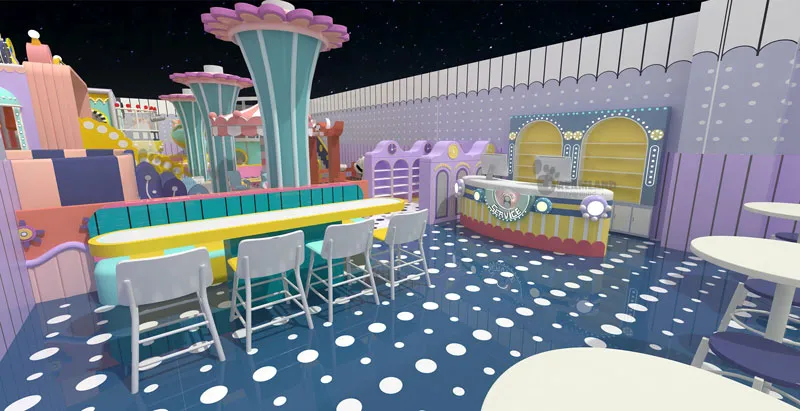
Commercial Lease Costs Beyond Monthly Rent
Monthly base rent is only one component of the total occupancy cost associated with a commercial lease. Most of the first-time investors discover additional lease-related expenses just shortly after signing the lease. In order to carefully estimate the so-called occupancy costs and avoid any unnecessary financial burden, one has to carefully review the entire lease before signing it.
Additional Lease Costs to Review
- Security deposit: An amount required to secure the lease, often equal to one or more months of rent and refundable subject to the lease terms, property condition, and any permitted deductions.
- CAM (Common Area Maintenance) charges: These are fees charged for maintenance of and for shared facilities such as parking lots, landscaping, and common area cleaning.
- NNN (Triple Net) expenses: These commonly include the tenant's share of property taxes, building insurance, and property or common-area maintenance costs, in addition to base rent. The exact charges depend on the lease.
- Rent during the build-out period: Whether or not you will start paying rent right off the bat, or if it will wait until the build-out is complete.
- Annual increases: While some leases may allow for an annual increase, others could remain fixed for a longer period of time to protect your bottom line in the long run.
- Permitted use clause: Check whether the lease permits use as an indoor playground or family entertainment center.
- Tenant improvement (TI) allowance: This is the landlord's agreed contribution toward eligible fit-out or build-out costs, which may be provided as a reimbursement, landlord-completed work, or another arrangement defined in the lease. You must always ask for a full breakdown of the conditions under which this TI allowance will be paid.
- Building upgrades: Determine whether the landlord or tenant is responsible for repairs or upgrades to electrical, HVAC, fire-protection, structural, and accessibility systems.
- End-of-lease restoration: What will you have to do to remove all playground equipment and fully restore the building to its original state before you can vacate the premises?
Be sure to get a full explanation of all lease terms and conditions from your landlord or attorney before signing any lease, not just the monthly rent. Knowing all the terms and conditions early on will allow you to negotiate for better terms and help to establish an accurate budget for startup costs. It will also help you to identify any possible problems during construction as well as at the end of your lease.
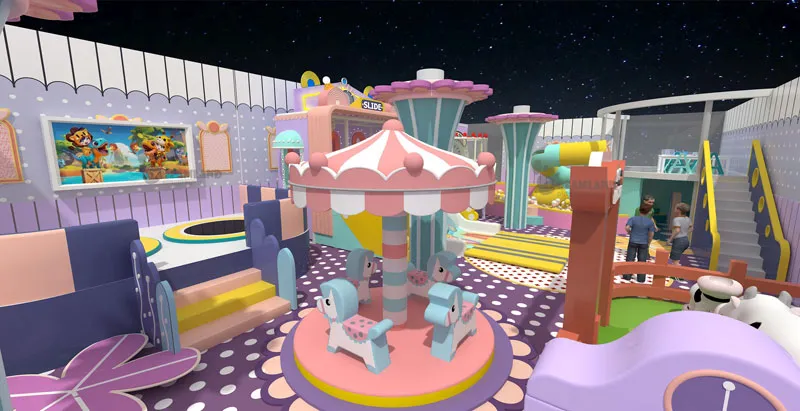
Indoor Playground Site Survey, Design and Engineering Fees
Floor plans of real estate are usually not sufficient for the production of indoor playgrounds. Often, a professional site survey, exact measurements, architectural drawings, a structural analysis, as well as MEP plans (mechanical, electrical, plumbing) are needed before the production of equipment for the playground can start. These plans help show how the playground components can be integrated into the existing space. Compliance with applicable building, fire, accessibility, and safety requirements must be reviewed by the appropriate project professionals and local authorities.
Incorporating design and engineering expertise at the very beginning of the project will save investors a lot of trouble in the long run. Quality plans and designs are essential to avoid mistakes with equipment placements, building structural constraints, possible mechanical, electrical, or plumbing problems, and local building and safety code compliance. A thorough and accurate plan can reduce the risk of redesign, project delays, unexpected construction costs, and complications during the permit and municipal approval process.
The build-out or renovation cost of the property can vary greatly depending on several factors, including the size of the building, the current condition of the building, and the type of soft play equipment and amenities that will be included in the indoor playground. The purpose of the initial site visit and technical document review is to develop a more reliable preliminary estimate of the renovation work that may be required.
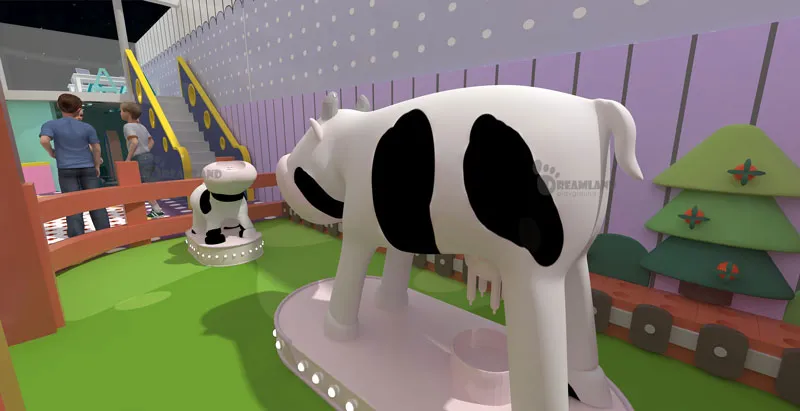
Indoor Playground Build-Out Costs and Building Upgrade
Common Building Upgrades
- HVAC Upgrades: Children and their families need to be able to play at comfortable temperatures. These upgrades may include higher-capacity air-conditioning and ventilation systems, improved air distribution, or additional heating for cold-weather conditions.
- Electrical upgrades to support the various features of your playground and to power other elements of your business, including vending machines and other equipment.
- Restroom facilities, including accessible fixtures and routes as required by the applicable ADA standards, building code, and local regulations.
- Safety flooring around play equipment together with durable flooring for other areas of the facility.
- Fire-rated walls, exits, and fire protection systems.
- A Reception and Check-in Area: This is a ticketing area that includes a storage area and Customer Service Counter(s).
- Party rooms for birthday events and private celebrations.
- Café or snack bar facilities (including the required plumbing, ventilation, and Food Service/Equipment infrastructure where applicable).
The extent of the required improvements to the building to set up a playground depends on the business model of the playground. A playground for birthday parties, with a café, and with a large number of visitors will require more extensive improvements than a simple play facility.
Indoor Playground Permits, Inspections and Approval Costs
Business license: A local business license or operating approval may be required to operate an indoor playground or family entertainment center at the proposed location.
- Building permit: A building permit may be required for structural modifications, tenant improvements, changes of occupancy, or other regulated work, depending on the project scope and local requirements.
- Fire-safety review and inspection: Depending on the occupancy classification, occupant load, equipment design, construction scope, and local code, the project may require review of fire alarms, sprinkler systems, emergency lighting, exits, and maximum occupant capacity.
- Electrical Inspection: Verify that all electrical work has been done in compliance with local electrical safety codes.
- Mechanical and HVAC inspection: In order to verify the operation of heating, ventilation, and air conditioning systems.
- Plumbing inspection: New or modified restrooms, sinks, drains, and water connections may require inspection by the local plumbing or building authority. Food-service areas may also require separate health-department review.
- Health department approval: If the facility prepares, handles, stores, or serves food and beverages, permits or inspections may be required under applicable state and local food-service regulations.
- Accessibility: The project team should verify compliance with applicable ADA standards and state or local accessibility requirements. Local plan review or inspection does not necessarily constitute a complete certification of ADA compliance.
- Certificate of occupancy: This document or local equivalent generally authorizes the approved occupancy and use of the space after required building inspections. Separate business, health, or operating approvals may still be required.
- Signage permits: Local approval may be required before installing exterior building signs, monument signs, illuminated signs, or other regulated signage.
- Waiting on approval: Extended review time from local government can cost you in increased rent, equipment storage, labor, contractor, and financing costs.
- Location matters: Permitting, inspection procedures, and government fees vary from state to state and from city to city. Also, building types (e.g., retail, office, industrial) and indoor playground business models can vary greatly.
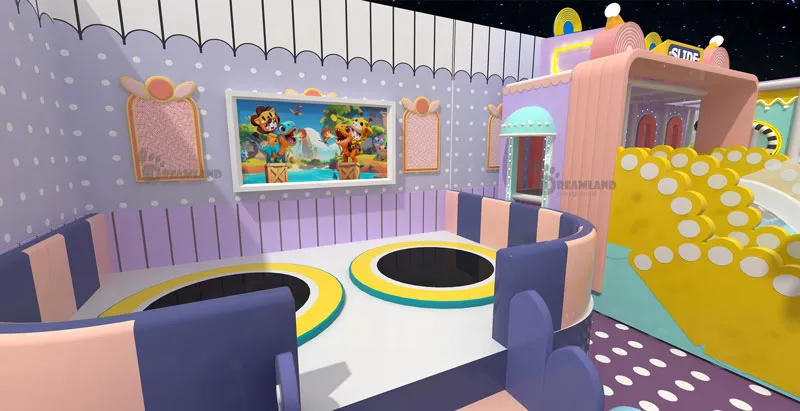
Fire Safety, ADA Accessibility and Compliance Costs
Costs related to Fire safety and Accessibility can add up quickly and are dependent on the existing building as well as local building codes. For example, sprinkler modifications, fire alarms, emergency exits, accessible entrances, accessible routes to required public areas and play components, accessible restroom facilities, exit signs, and related compliance documentation can add thousands of dollars to the project cost.
Note that no single design, configuration, or certification will be sufficient to secure approval for a playground in all states and cities across the US. It is therefore essential to verify the specific requirements of the local building department prior to commencing construction.
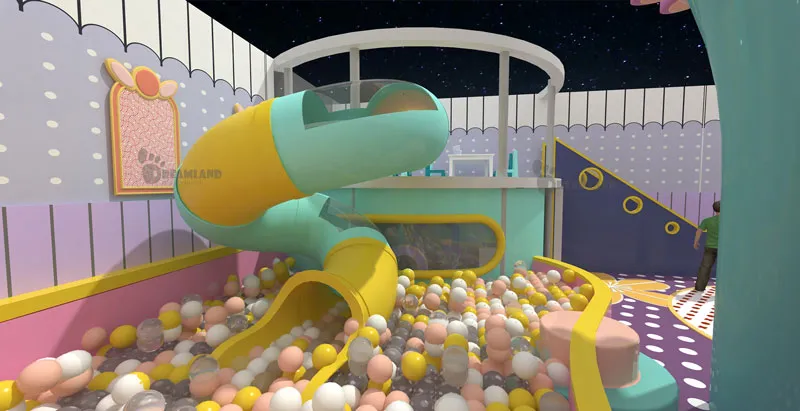
Indoor Playground Shipping, Customs and Final-Mile Delivery Costs
Be aware that the total cost of international shipping often exceeds the cost of the freight itself. This is because the cost of international shipping is often quoted on a freight-only basis and does not include additional costs for customs clearance, import duties, port handling, inland shipping, storage, de-stuffing of the container, and local delivery. These additional costs are determined by the specific shipping terms agreed to by the buyer and seller. Under EXW, the buyer generally assumes most transportation responsibilities and costs from the seller's premises. Under FOB, the buyer generally assumes the main carriage, import clearance, duties, destination charges, and inland delivery after the goods are loaded on board at the named port of shipment.
- Ocean Freight
- Customs Duties
- Port Charges
- Inland Transport
- Warehouse Storage
- Container Unloading
- Final-Mile Delivery
- Delivery Responsibility
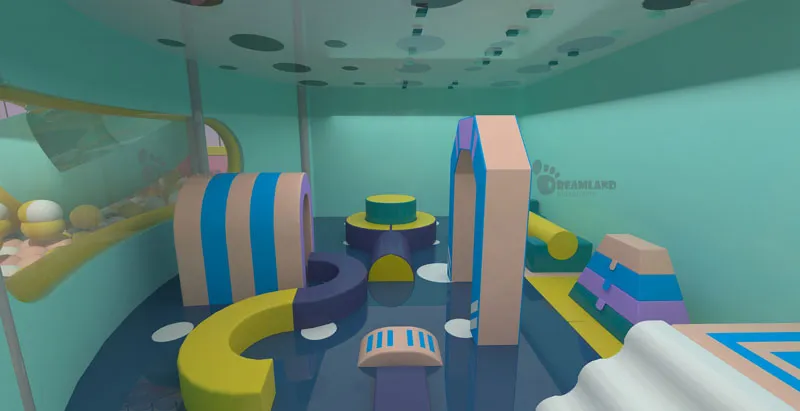
Indoor Playground Installation and On-Site Labor Costs
The equipment price may not include on-site installation. Installation-related costs can include local labor, technician travel and accommodation, lifting equipment, unloading, site supervision, temporary storage, return visits, and work required from the customer. The quotation should clearly define where the supplier's installation scope begins and ends.
- Local Labor
- Technician Travel
- Accommodation Costs
- Lifting Equipment
- Site Supervision
- Return Visits
- Installation Scope
- Client Responsibilities
Indoor Playground Insurance and Liability Costs
Indoor playground operators should budget for appropriate insurance and liability-management costs. Depending on the business, location, lease, and insurer, these may include general liability, property insurance, workers' compensation, business-interruption coverage, legal review of customer waivers, risk assessments, and any required policy limits or endorsements.
- General Liability
- Property Insurance
- Workers' Compensation
- Business Interruption
- Customer Waivers
- Legal Review
- Coverage Limits
- Risk Management
Pre-Opening Staffing, Payroll and Training Costs
Before you open your indoor playground to the public, there are many employee-related expenses that you should include in your startup budget. These expenses include the cost of recruitment, background checks, the salaries of the managers, the cost of the employees’ onboarding, the cost of their safety training, the cost of the trial operation of your playground, and the cost of their payroll during the soft-opening period of your business. Remember, these costs are incurred before your business starts to generate a consistent stream of revenue, so they can have a big impact on your bottom line.
- Employee Recruitment
- Background Checks
- Manager Salaries
- Staff Training
- Safety Training and Any Required Certifications
- Trial Operations
- Soft-Opening Payroll
- Hiring Timeline
Also, remember that hiring staff too early can increase your payroll expenses before you start to receive any revenue, and hiring staff too late can leave your employees undertrained and unprepared for the opening day of your business. Therefore, a well-planned hiring schedule is critical to balancing the labor costs of your staff with the need to get your business ready to open, and to providing your customers with the best possible experience.
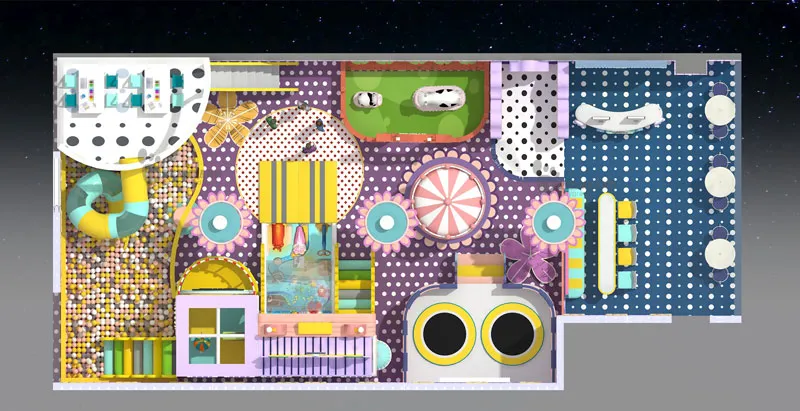
Booking Software, POS Systems and Payment Processing Fees
Technology costs need to be included in the start-up budget for an indoor playground, but note that these costs are typically in addition to the cost of any equipment that has a technology component. When planning for technology costs, include the one-off set-up fees as well as ongoing annual fees for things such as: booking software, digital waiver systems, membership management systems, point of sale hardware and software, website design and provision of payment processing services.
- Software Setup Fees
- POS Hardware Costs
- Website Development
- Monthly Software Subscriptions
- Digital Waiver Platform
- Membership Management
- Credit Card Processing
- Transaction-Based Fees
Indoor Playground Cleaning, Maintenance and Repair Costs
In addition to initial start-up costs, cleaning and maintenance of a play area will begin on opening day. It is very important that investors include the cost of daily cleaning, routine safety checks, and ongoing preventative maintenance in their annual operating budget. In addition, funds need to be allocated for the occasional need for replacement parts, repairs to damaged equipment, and occasional periods of downtime due to wear and tear, to name a few. Dreamland Playground can provide equipment documentation, maintenance guidance, and replacement-parts support. The facility operator remains responsible for daily cleaning, inspections, supervision, maintenance, and compliance with applicable operating requirements.
- Daily Cleaning
- Routine Inspections
- Preventive Maintenance
- Replacement Parts
- Equipment Repairs
- Downtime Planning
- Safety Compliance
- Equipment Lifespan
Grand Opening Marketing and Customer Acquisition Costs
The Marketing & Awareness Campaign should start before the Business is officially open to attract the first customers to generate the initial revenue. In addition to the planned grand opening events and marketing campaigns, the following investments should be included in the Marketing & Awareness Campaign’s budget: Website, local SEO, Business Signage, Professional Photography of the Facility & Staff, Social Media Marketing, Community Events & Partnerships, Grand Opening Promotions.
- Website Development
- Local SEO
- Business Signage
- Professional Photography
- Social Media Ads
- Community Partnerships
- Opening Promotions
- Customer Acquisition
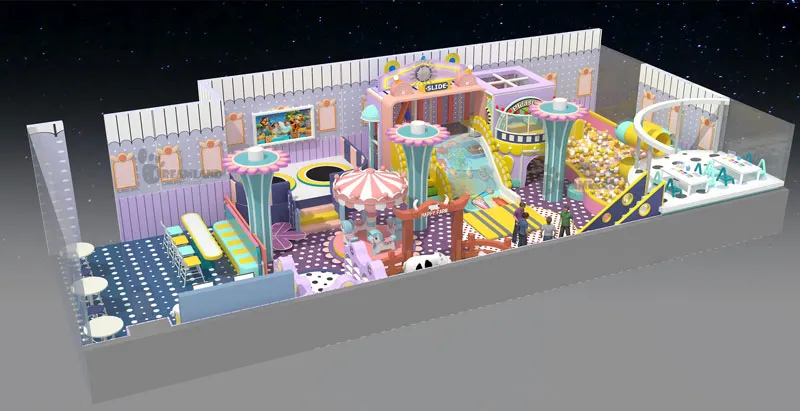
How Much Working Capital Does an Indoor Playground Need?
Opening day does not necessarily mean that the business has reached its break-even point. Sufficient working capital should be reserved to cover rent, payroll, utilities, insurance, marketing, repairs, maintenance, and other operating expenses until projected revenue can support the business. The required amount depends on the location, facility size, business model, seasonal fluctuations, customer demand, and cash-flow forecast.
- Rent Reserve
- Payroll Costs
- Utility Bills
- Insurance Premiums
- Marketing Budget
- Maintenance Costs
- Operating Expenses
- Cash Reserve
How to Create an Accurate Indoor Playground Startup Budget
A realistic startup budget for an indoor playground goes beyond estimating the cost of the equipment and the monthly rent for the facility. It is essential to inspect the facility before signing a lease, get an itemized supplier quotation, clearly outline the responsibilities for the supplier in relation to the shipping and installation of the equipment, and update your budget as the construction of the project and the details of the project evolve.
- Inspect the Site
- Itemized Quotations
- Assign Responsibilities
- Track Project Costs
- Update the Budget
- Verify Assumptions
- Plan Contingencies
- Review Regularly
How Dreamland Helps Reduce Indoor Playground Budget Surprises
At Dreamland Playground, we will review your floor plan and offer suggestions for how to best organize your indoor playground equipment to achieve the optimal layout. We will then prepare a clear quotation scope, including the items to be supplied and installed, shipping responsibilities, and installation details. Where appropriate, we may also help connect the customer with local professionals who can support construction coordination and the required approval process.
- Floor Plan Review
- Equipment Planning
- Quotation Scope
- Shipping Guidance
- Installation Planning
- Project Coordination
- Cost Transparency
- Professional Support
Conclusion
Just because a quote for indoor playground equipment is the lowest does not mean that the total cost of the project will be the lowest as well. A sensible start-up budget for an indoor playground has to list all the items that are included and all the things that are not. It has to list all the parties involved for all the individual phases of the project and the payment due dates. Finally, it should include a separately planned working-capital reserve for the period after construction and equipment installation.
At Dreamland Playground, we begin by reviewing your floor plan and developing an equipment concept suited to the space. We then clarify the quotation scope, identify included and excluded items, and distinguish Dreamland's responsibilities from the customer's responsibilities. Third-party construction, permit, insurance, and operating costs should be confirmed separately by the owner and relevant local professionals.
Frequently Asked Questions
What Costs Are Usually Not Included in an Indoor Playground Equipment Quote?
Indoor playground equipment quotes may exclude some or all construction, permits, shipping, installation, insurance, staffing, marketing, and working-capital costs. Ask the supplier for a detailed list of inclusions and exclusions.
Should I Sign a Lease Before Ordering Indoor Playground Equipment?
Before signing a lease or ordering equipment, complete appropriate site and lease due diligence. Confirm the permitted use, available ceiling height, utility capacity, fire-protection systems, accessibility conditions, preliminary layout, and likely approval requirements with the landlord and relevant local professionals.
Are Shipping and Installation Included in the Equipment Price?
Not always. Shipping and installation may be included, excluded, or quoted separately depending on the supplier, delivery terms, destination, and installation scope. Confirm the applicable Incoterm and request a written breakdown of all responsibilities and costs.
How Much Working Capital Should an Indoor Playground Prepare?
The amount of working capital needed to finance an indoor playground depends on the location and concept of the business. As a rule, sufficient funds must be allocated to cover the ongoing costs of the facility until it has reached a stable level of income.