

Cost of Starting an Indoor Play Center: 2026 Budget & Investment Guide
The indoor entertainment industry is booming in 2026, and entertaining your guests in an indoor setting is a safe, climate-controlled world of fun for families to gather and enjoy quality time together. As more investors enter the market, one of the first questions they want to know is how much it costs to get started with an indoor play center. The cost to start an indoor play center varies when comparing different sizes and different play centers. Some indoor play centers can start as small as a 4,000 sq ft community-style play space, while others can be an extremely large family entertainment center of over 30,000 sq ft. In this investment guide, we will go through the different costs associated with starting an indoor play center and how they will affect your bottom line to help you better understand the scope of your investment, whether it is big or small.
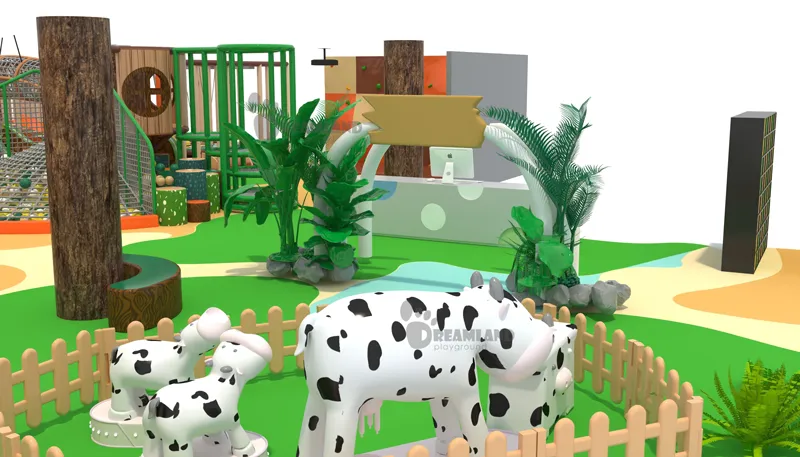
Key Factors Influencing the Total Investment of Your Indoor Play Center
Location Matters: Tier 1 vs. Tier 2 Cities and Cost Variations
Based on previous businesses, the total cost of the interior of the play center varies depending on the location of the play center. Generally, locations in Tier 1 cities such as Toronto, Vancouver, and Montreal have the highest rental, the most restrictive bylaws, and the highest labor cost per square foot. This results in a business with a higher total cost to open in these locations; however, locations in Tier 2 cities (Ottawa, Edmonton, Montreal) have a lower total cost to open due to a lower construction and build-out cost as well as lower operational cost. However, demand, pricing, and location selection will still be key to ensuring that you are operating in the black. Selecting the correct location is therefore key to ensuring that you are within budget and can still return your investment.
Size of the Facility: Scaling Investment with Business Goals
Another important consideration is the size of the space. As you consider starting an indoor playground, you will need to think about the cost to fit out the space. A larger playground generally means a larger initial investment to get the business open. Large indoor playgrounds can have very expensive equipment as well as higher renovation costs. Additionally, they can necessitate a substantial amount of personnel for daily management. Large playgrounds do have more potential attractions, playscapes, and revenue streams than a smaller play area. Conversely, a smaller indoor play area typically will have a lower initial investment to fit out, and be less time-consuming to manage than a large venue. However, there is such a thing as an ideal size for an indoor playground, and ultimately, your ideal size will depend on your target market, the design, and your business model.
A medium-sized facility is generally the most cost-effective way to produce revenue in a high-traffic commercial setting. This option provides the potential for a moderate initial investment to fit out, moderate ongoing expenses, moderate space needs, moderate potential for revenue, moderate potential for family entertainment and party activities, and moderate appeal to children.
Ceiling Height: Unlocking Vertical Space and Revenue Potential
Ceiling height is a feature that is often underestimated in the initial design and costing of indoor play centres. High ceilings allow for multiple-level play structures, slides, and climbs, which greatly increase play capacity. While higher venues can sometimes come with additional structural considerations and higher installation costs, the outcomes are far greater than those of a lower venue. Higher is generally cheaper to create, but offers far less potential in terms of design and revenue, so it is something that should be considered early on in your play centre design process.
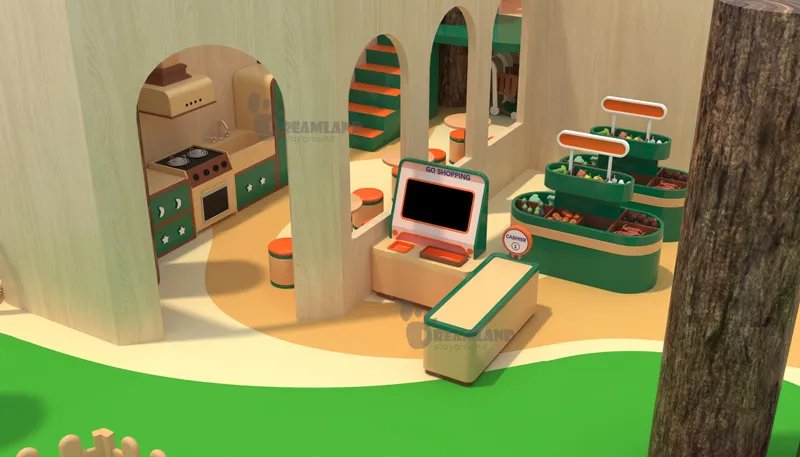
Commercial Indoor Play Center Cost Breakdown by Project Size
Small Indoor Play Center (100-300㎡)
Our Small play solution is ideal for smaller commercial or residential locations with a community focus. These play solutions are designed to incorporate the core elements of play, including the soft play area, toddler area, and smaller climbing solution. An affordable entry solution for the investor who is new to the marketplace or wishes to test their investment options. While the initial investment may be smaller than a larger solution, maximising the yield of the space and the demand in the local market will dictate whether a healthy profit can be achieved. Intelligent layout can make a huge difference in achieving high yields in the smallest of spaces.
Medium Indoor Play Center (300-800㎡)
Medium-sized entertainment centres or soft play facilities are often ideal for high-traffic locations such as shopping malls and city centre locations. With 2-3 play areas including multi-level play equipment, interactive play solutions, or main play spaces complete with party rooms, there is great scope for varied revenue streams including admission charges, party bookings, and sales from a cappuccino bar or restaurant. Although the initial investment is high for a medium-sized facility, the return is equally attractive with great potential for consistent foot traffic and repeat business. The medium-sized facility is one of the most popular options for return on investment.
Large Scale Entertainment Centers (800㎡+)
Large indoor entertainment centres are often developed as flagship entertainment destinations for an operator offering a wide range of attractions across multiple revenue streams. In addition to the larger capital expenditure, these types of centers offer greater potential for brand awareness and long-term profitability than smaller operations. Due to the scale of the center, a premium address is often required, and a considered approach is required when developing layouts and operational models to manage traffic flow through the center.
Estimated Indoor Playground Cost by Size
|
Project Size |
Area (㎡) |
Estimated Cost Range (USD) |
|
Small |
100–300 |
$30,000 – $150,000 |
|
Medium |
300–800 |
$150,000 – $500,000 |
|
Large |
800㎡+ |
$500,000 – $1,500,000+ |
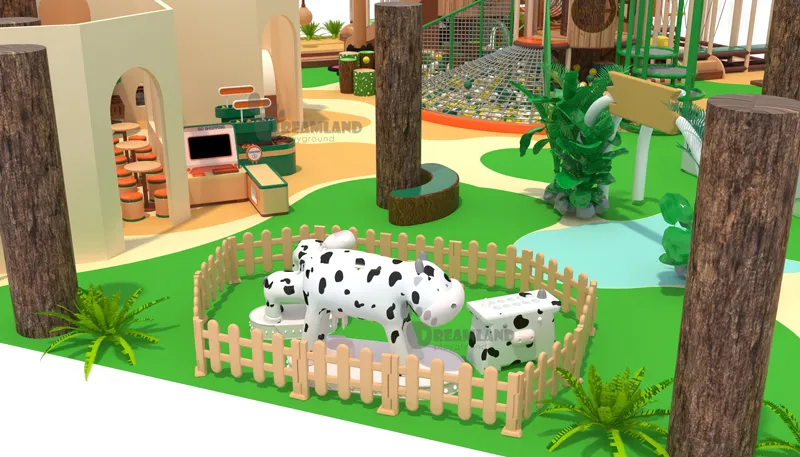
Equipment Costs: Why It Is the Largest Part of Your Investment
High-Quality Certified Equipment vs. Low-Cost Alternatives: What Investors Need to Know
The largest investment in a commercial indoor play center is the playground equipment. When choosing playground equipment for your facility, it is important to realize that the quality of the product has long-term cost effects. High-quality, safe, and durable playground equipment is designed for daily, intense use by Kindergarten to Pre-teen-aged children, and is ASTM or EN certified. This commercial-quality playground equipment is made from premium materials, is heavy-duty, and is designed to withstand years of use. Unlike low-cost playground equipment that may look great up front, often these products lack the important safety certifications, are not as durable, and are designed for lower levels of use. For a facility owner or manager, nothing is more important than reliability in their commercial playground equipment. Cheap, low-quality equipment can cost a facility owner or manager more in the long run by requiring repairs or even having to be replaced earlier than expected. Your company's standing in the eyes of both parents and children may suffer as a result.
Durability Equals Long-Term ROI: Why Quality Pays Off Over Time
Investing in durable, certified playground equipment improves your return on investment. High-quality playground systems built with guaranteed durable materials remain in good working order and continue to look great, even under heavy use. Spending a little more now will save you time and money later on. In contrast, substandard or very inexpensive playground equipment may look like a bargain at first, but in the long run, it is a losing proposition. Maintenance and repair costs may climb, and the worst-case scenario is that the equipment has to be closed due to safety concerns and removed altogether. Invest in a safe, long-lasting playground for maximum ROI.
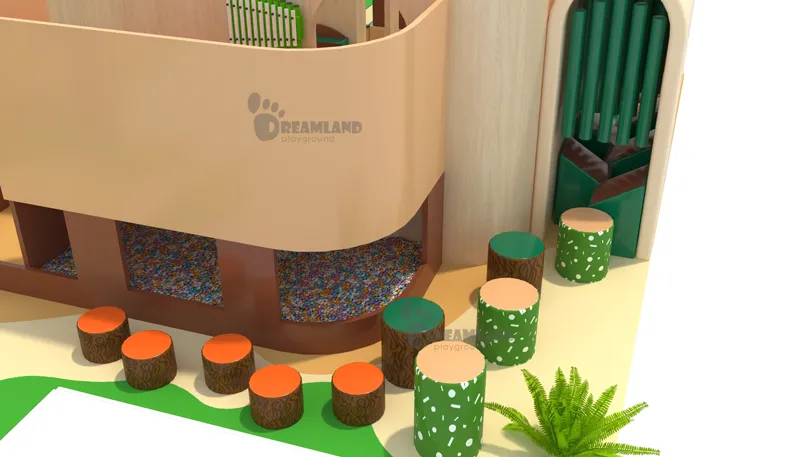
4 Hidden Costs in Indoor Playground Projects Investors Often Overlook
1. Shipping and Logistics: Managing Transportation and Installation Expenses
Many are surprised to learn how shipping and logistics can add to the overall cost of an indoor playground. Since most commercial recreational equipment is designed and manufactured by companies located outside of North America, it naturally gets shipped across oceans, which increases cost in several ways. Larger equipment may require custom packaging and may ship in a 40 ft. container instead of a small box. Additionally, many pieces require installation, and some even need to be assembled upon arrival. It is not uncommon for items to experience delays during shipping or get stuck in customs. However, with proper planning, accurate quotes, and a supplier who has completed similar projects before, potential hidden costs can be avoided.
2. Local permits and insurance - is your business fully compliant and protected?
Before you can open the doors to your own indoor play center, you will need to secure the various permits, licenses, and insurances required to start and operate a business from local government bodies. Depending on the type and size of your indoor play center, you may need a safety certificate, a fire compliance certificate, and various other business operation licenses. You should also safeguard your company and its assets with sufficient property and liability insurance. The costs for these can vary greatly depending on the specific needs of your business and the government restrictions of the location where you are planning to open your indoor play center. It is very important that these costs are included in your overall business investment plan to avoid costly delays, fines, and even having your project shut down before it opens.
3. Initial Marketing: Building Awareness Before Launch
In order to get customers through the door, there is a need for an initial marketing push. Digital marketing tactics such as Facebook and Google ads, social media, and influencer marketing, as well as marketing events like a grand opening, will translate into expenses. An effective indoor play center without initial marketing is very unlikely to gain traction. Develop a budget to spend pre- and post-launch to bring customers to your doorstep and to generate revenue on day one.
4. Staffing and Training: Investing in Operational Excellence
Before your doors even open, the biggest expense for any play center is going to be staffing – weekly employees that can operate equipment, answer customer calls, and maintain safety. It’s a big bill before you’ve even seen your first walk-in. Don’t forget that each employee will need training too (we’ll go into the ins and outs of training in a later post). It’s easy to misjudge the costs of staffing, but it’s an essential part of creating a quality experience for customers while also keeping your center and guests as safe as possible.
Cost-Saving Strategies: How to Build a High-Quality Center on a Budget
Smart Layout Planning: Maximize Space, Minimize Unnecessary Costs
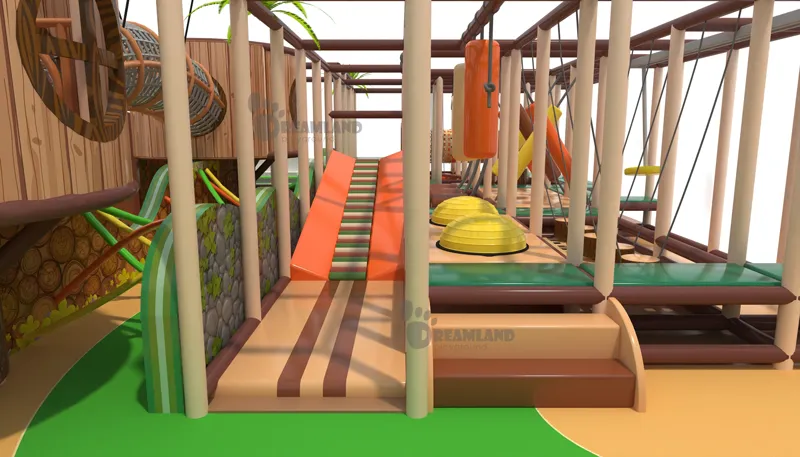
One of the major ways to save money when designing and building an indoor play center is in its overall layout. Optimizing the play center’s design allows for maximum efficiency in its use of floor space and allows for the highest potential revenue from the smallest space. By implementing vertical play equipment and multi-level structures, an indoor play center can easily increase the number of users the space can hold. Strategic zoning is also vital in designing a fun play space. This helps to manage high traffic areas, create low traffic areas, and increase the efficiency of play equipment. Rather than overloading the space with too many inefficient play structures, optimizing the layout allows you to choose a few high-impact pieces that deliver high return on investment without compromising quality.
Factory-Direct Purchasing: Reduce Costs by Working with Manufacturers
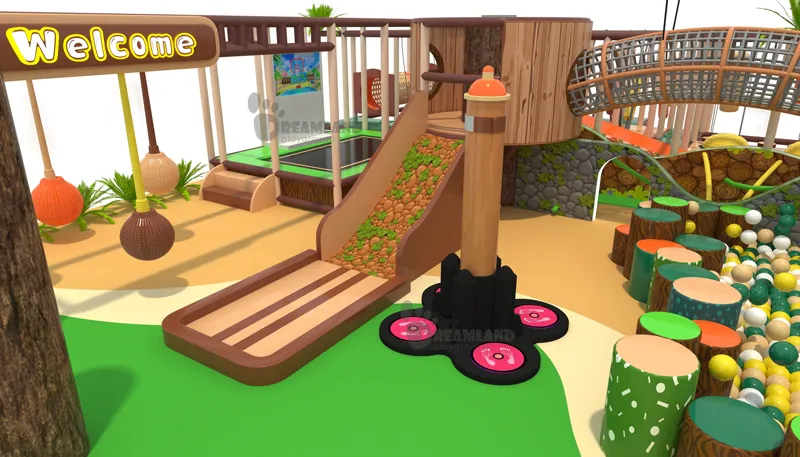
One strategy to save capital on your indoor playground investment is to buy the equipment directly from the manufacturer of the products you desire for your recreational play structure. Purchasing from the manufacturer, such as Dreamland Playground, for recommended play structures, typically results in lower prices due to the lack of an intermediary who typically seeks to make a profit. However, when you purchase from the manufacturer, you can also count on improved quality and greater ability to customize your structure and equipment.
Many manufacturers also provide a turnkey package, which includes design consultation, 3D modeling, production, and installation, all by in-house specialists. By working directly with a supplier, you can avoid many costly mistakes made by purchasing single pieces of equipment that are not compatible with other pieces, or which are not suitable for your play structure and the age of use. The benefits of saving money on the initial investment are paired with the efficiency of having a single supplier carry you through the process.
Analyzing ROI: Is an Indoor Play Center Still a Profitable Business?
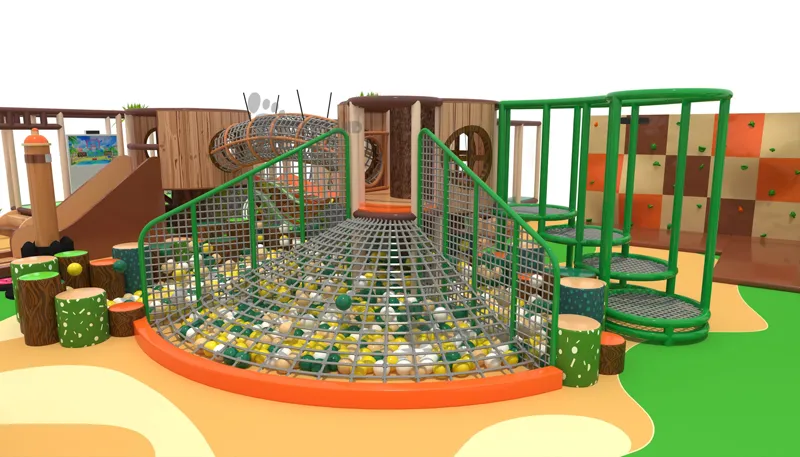
Indoor playgrounds are still one of the most profitable business models when well-designed and managed. Indoor playgrounds typically have a return on investment (ROI) of ten to eighteen months. Besides the entrance ticket, indoor play centers can generate significant profits from other sources such as birthday party packages, food and beverage sales, membership programs, and thematic events. A high customer retention rate can also be achieved through creative indoor play equipment designs that encourage repeat visits. Combine these with smart cost management and effective marketing strategies, and indoor play centers can still generate strong and scalable business in 2026 and beyond.
Conclusion
Opening an indoor play center is a high-potential business opportunity. When starting your business in 2026, it is very important that you make informed decisions about your investment. We discuss different factors affecting your total budget and provide guidance on how to plan a successful project. You will learn about different options for location and size, the importance of choosing quality equipment, and how to account for some of the hidden costs associated with starting an indoor play center. In the end, a well-planned project turns your initial investment into a successful and efficient business, pleasing customers and generating return business. Furthermore, it helps you to choose durable and high-quality play equipment and décor that will make your indoor play center an exciting place for children to play.
Ready to get a precise quote for your 2026 project? Contact Dreamland Playground for a customized cost estimate today!
FAQ: Indoor Play Center Cost & Investment
How much is the indoor play center equipment cost per square meter?
Indoor play equipment cost is approximately $300-$1000 USD per square meter, depending on the chosen unit or units, style, color, and safety features.
Play equipment and flooring. Generally, flooring will account for around 35% of your total cost, and the equipment the rest.
What is the biggest expense when opening a play center?
The biggest investment is the playground equipment and the renovation of the site. These 2 categories comprise a significant portion of the overall cost.
How can I reduce my indoor playground startup costs?
We can work with you to lower your costs by purchasing from the manufacturers, reducing your layouts, and using multi- purpose equipment.
How long does it take to get a return on investment (ROI)?
Indoor play centers tend to achieve ROI within a 10 to 18-month timeframe. This is dependent on multiple variables such as the location, amount of foot traffic, and even overall operational strategy.
How can I reduce the initial startup costs effectively?
Phased development, smart zoning, and using suppliers with a proven track record of delivering on a budget.