

Indoor Play Center Design Ideas: Layout, Themes & Planning Guide (2026)
Designing a great indoor play center in 2026 is not just about installing some cool interactive play equipment. The savvy owner or operator needs to think strategically about how to create an engaging experience for families, maximize efficiency in both small and large spaces, and create a fun and safe environment for children. This article will explore the core design principles of indoor playgrounds, functional zoning, trending indoor playground themes, and ways to create the ultimate experience for families. The owner or operator will also learn how various design decisions impact ROI to create a great indoor playground that will bring in repeat customers and create a compelling experience for children and families to visit, play, and have fun together.
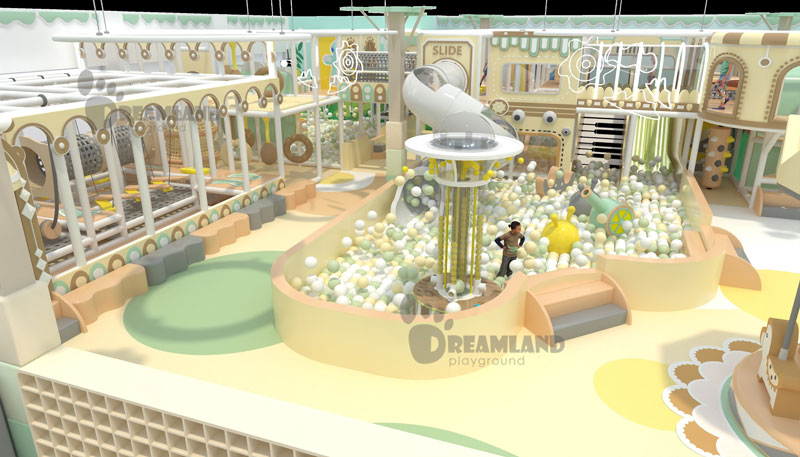
Why Indoor Play Center Design Matters for Business Success
The design of indoor play centers directly impacts revenue. A well-designed indoor play center ensures that high-traffic attractions such as slides and ball pits are placed in positions where they are used to their full potential, while underutilized areas such as corners and dead ends are minimized. In addition, by placing revenue-driving zones, such as cafes, retail counters, and party rooms within sight of play areas, causing users to make impulse purchases. Similarly, a well-designed indoor play center ensures that the flow of customers, parents, and children is directed through premium features, ensuring that all areas of the center are used to increase average transaction value.
How Smart Design Increases Dwell Time and Repeat Visits
A well-designed indoor play space can encourage longer visits and repeat visits. Indoor playgrounds that have a variety of physical play elements, are visually striking and interactive, and provide an exciting and memorable experience for children and their families. This will lead to longer visits and positive word of mouth, encouraging customers to return again and again.
The Role of Strategic Layout in Building a Profitable Play Center
Creating a strategic layout for a play center is key to transforming your business into a revenue-generating proposition. By creating clearly defined play zones, ensuring smooth traffic flow, and maximizing visual appeal, a well-thought-out layout enables staff to maintain play area safety while creating a better environment for both children and their parents. Paired with imaginative theming and effective branding, the well-laid-out play center provides the foundation that enables a business to succeed.
Safety-First Design: Ensuring Compliance and Building Customer Trust
When designing an indoor playground for kids, safety has to be one of the top priorities. By following safety guidelines from around the world and using materials (like impact-resistant surfacing, supportive netting, child-friendly design elements, and fire-resistant materials) and design elements that adhere to standards like ASTM and EN1176, you’ll be offering a great space for kids to play while also providing parents with peace of mind and making your facility safe from lawsuits.
Functional Zoning: Creating Organized and Engaging Play Areas
A good quality indoor play centre is designed with functional spaces. Separating the space into areas including toddler zones, adventure play, and sensory play helps to remove the danger of overcrowding and conflicting activities, as well as maximising the play value of the equipment for the intended user groups. In addition, designing with functional areas enables centres to target specific customer demographics, which improves customer experience and maximises the usage of equipment.
Traffic Flow Optimization: Enhancing Movement and User Experience
Efficient traffic flow throughout the facility is crucial to creating a smooth and enjoyable environment for its users.
- Smooth transitions between zones
- Clear sightlines for supervision
- Logical progression from low-energy to high-energy activities
Visual Storytelling and Thematic Design: Elevating Brand Identity
It is now common practice for modern indoor play centers to transcend their functionality and tell a visual story through their branding and overall theme. The colors, lighting, texture, and varied structures and furniture all must work in tandem to reinforce the overall aesthetic of a playground. Do you theme your play center as a jungle, outer space, or perhaps a fantasy land?
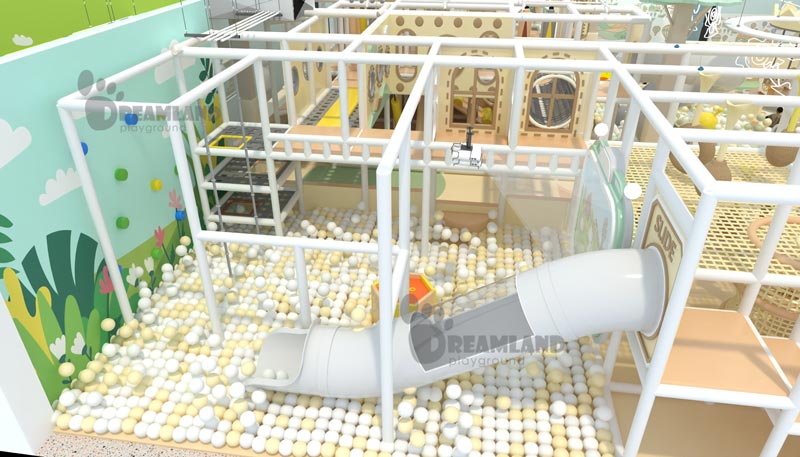
Innovative Layout Ideas for Commercial Indoor Play Centres (By Functional Zones)
Toddler Zone (Ages 1–4)
The Toddler Zone is designed for children from 1 to 4 years, offering play equipment and activities suitable for early years learning and development in a safe and fun environment.
The toddler zone will house pre-school-aged children where they can play safely and develop their movements and skills. The space should have a low impact on the rest of the centre to allow the older children to play at a higher intensity. We will provide counterbalance movements through equipment such as a soft play with balls, foam building blocks, mini slides for them to move through, and a shallow ball pit. Sensory panels will provide a challenge to the children’s growing cognitive abilities, as well as providing stimulation to all of their senses through interactive panels with mirrors, different textures, and soft sound effects.
Adventure Zone (Ages 5–12): High-Energy Multi-Level Play Structures
The Adventure Zone is often the central focal point of most indoor play centres and is designed for older children to play with in high volume. In the Adventure Play Zone, you will find the largest multi-level climbing frames, the tallest slides, rope courses, complex obstacle challenges, and a focus on maximising vertical space. The Adventure Zone is designed to be a high-energy play space for the kids to engage in and create excitement for parents and kids alike, bringing in customers to visit your centre.
Sensory Play Zone: Inclusive and Development-Focused
A dedicated sensory play area that enables children of different abilities to participate in inclusive play with their families is a feature we would like to include. A tactile section of the wall with numerous hands-on textures and materials, as well as acoustic elements and low-voltage calm lighting, is a must.
- Tactile walls and interactive textures
- Sound-based play elements
- Calm lighting environments
- Quiet retreat areas
Interactive & Digital Zone: Technology-Driven Play Experiences
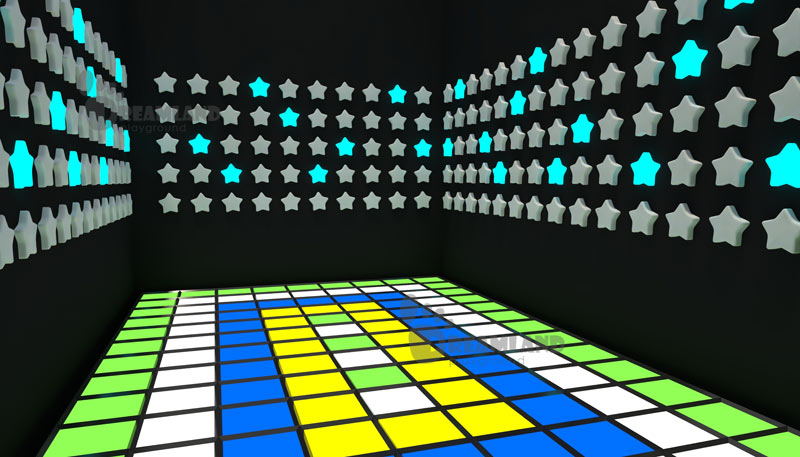
The interactive and digital zone offers the next generation of adventure, where physical activity and entertainment meet high-tech video games. Play an AR projection game where you must destroy an alien invasion, manipulate interactive lights and sounds, or play and climb on translucent walls that sense your motion. Challenge family and friends for the highest score on fitness games that promote exercise. This type of entertainment is extremely effective at drawing in the older child as well as the high-tech, computer-savvy family in 2026.
Party & Rest Area: Venue for Revenue-Driven Social and Relaxation Spaces
The party and rest area is a key money maker in many play centres, through both secondary use of equipment and creation of a centre for birthday party celebrations, viewing area, seating area, and café. The main area of a play centre for parents and carers to watch children play needs to incorporate viewing areas or seating to allow parents to constantly see their children. Casual dining and private party area design can also be included, and the area can be used for large group bookings as well as general users of the centre.
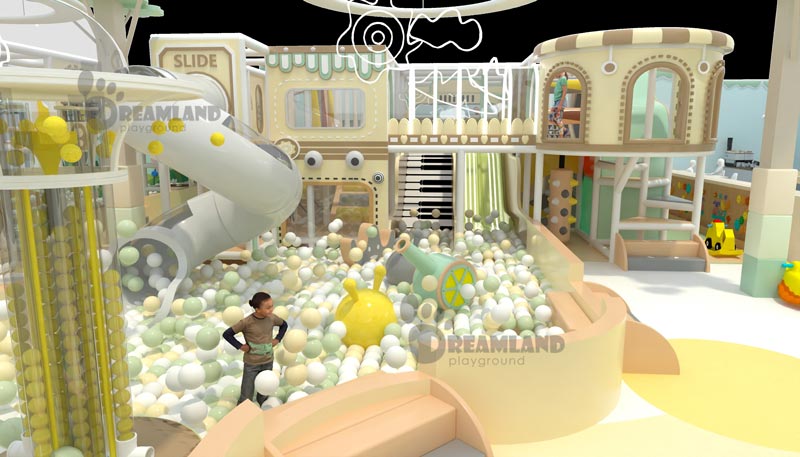
Popular Indoor Playground Themes and Design Trends for 2026
Biophilic & Nature-Inspired Playground Design: Jungle, Forest, and Ocean Themes
Indoor playgrounds in 2026 still follow the trend of biophilic design. A variety of themes, including jungle, forest, and ocean world, use various elements of nature, such as earthy tones, organic, and natural textures. The incorporation of treehouse, leaf designs, wave slide, and animal-themed playground equipment is one of the elements that help in storytelling and increase the appeal of indoor playgrounds for both kids and parents alike.
Futuristic Cyber-Tech Playground Design: High-Tech and Neon Environments
Our Futuristic cyber-tech theme caters to older children and tech lovers of all ages. Futuristic cyber-tech themes showcase bright neon lighting and metallic colours with cutting-edge digital interactivity for a truly high-tech play environment. With options such as Interactive walls, LED features, and Augmented Reality games, kids can combine exercise with unique, high-tech play. A really innovative theme which shows you can offer a great experience to the older child while still differentiating your play venue from the competition.
Play and fun - Themed for Children: Macaron & Fantasy
Macaron-themed and fantasy-based indoor play centres are becoming a new trendy option for kids’ venues within boutique and premium spaces. These play centres translate into a sophisticated design using soft pastel colours of pink, lavender, mint, and cream. Round shapes and cloud-like forms and details feature throughout the spaces, giving a dreamy, elegant feel. These playgrounds are very ‘Instagrammable’ and have tremendous marketing potential, promoting organic brand promotion through photo sharing. They are a great option for targeting high-end markets and delivering a unique, memorable brand space.
Unique Storytelling and Brand Identity: Custom Branded IP Playground Design
Our custom-branded IP (intellectual property) designs enable children’s indoor play centers to develop a unique experience based on the center’s original stories, characters, artwork, and settings. The contrast to generic themes, found in most kids’ venues, strengthens brand identity and creates a deeper connection to your target audience. This approach also presents many merchandising, event, and cross-promotion opportunities and is a great way to grow your business.
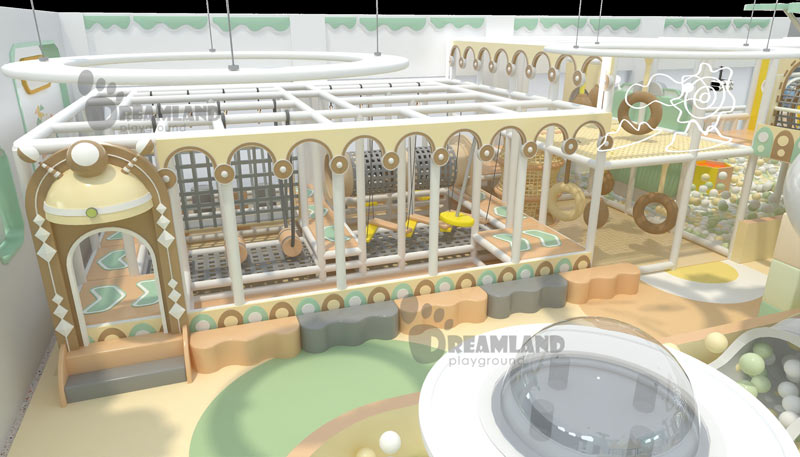
Maximizing Profitability: How Strategic Design Impacts Your ROI
Maximizing Capacity per Square Meter for Higher Revenue Efficiency
Strategic use of space to increase capacity per square meter, without compromising safety and ensuring children and adults have a fun experience, is key. This can be achieved through the use of vertically structured play equipment, multi-level play areas, and compact, multi-purpose units and accessories that enable increased numbers of children to play at one time. This, in turn, increases potential revenue during busy periods while controlling operational costs.
Driving Secondary Spending Through F&B and Party Zones
Secondary revenue streams such as food and beverages, or birthday parties, can deliver higher returns than entry tickets. A smarter design can maximise these opportunities. Locating cafés and seating with good visibility of play areas encourages parents to linger and spend more. Designing party rooms within the venue that are easy to book and host makes for an attractive proposition. Wrapping menu displays and service points into the overall design of the venue ensures impulse purchases are maximised by high traffic volumes.
Unique Playground Design as a High-Impact Marketing Tool
By incorporating a number of unique themes and highly interactive environments, you can create an attractive and interesting space that stands out from the crowd of other similar venues. As a result, guests and parents will be more than happy to share photos and videos of kids at play on social media, giving your business tons of organic social media publicity that leads to new customers without increasing marketing costs too much.
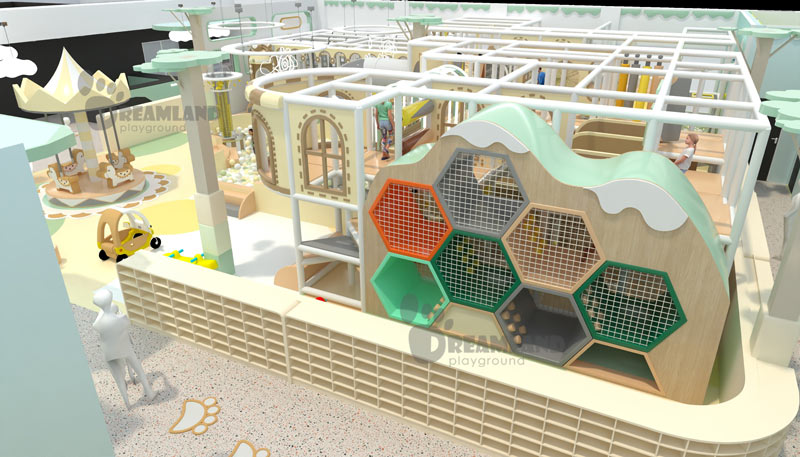
Small vs. Large Scale: Tailored Design Strategies for Every Venue
Compact Space Mastery: Maximizing Small Indoor Playground Efficiency with Vertical Design
Designing a small indoor play centre requires more than just removing the slide from a backyard tree house. When building a small space, you need to incorporate multi-functional units like a slide and a climb together as a single unit or a play structure with storage. In a well-designed small space, you can deliver an exceptional indoor play experience with optimum use of available space.
Large-Scale Playground Engineering: Managing Complexity, Flow, and Multi-Revenue Integration
Large indoor play centers offer many options and flexibility, yet require a special strategy for effective management. Managing traffic flow becomes a major design consideration, as well as ensuring adequate Supervision visibility, safety, and effective operation throughout the play structure and larger facility. But with proper planning, a large play center can become a complete entertainment venue, fostering customer interaction and activity, while delivering multi-layered revenue streams for owners.
Conclusion
A successful indoor play center in 2026 is more than just mazes, tunnels, climbing equipment, and colorful structures. Thoughtful planning goes into creating a robust business ecosystem that integrates space, zoning, theme, and user experience to maximize visits and revenue. By planning for circulation, anticipating areas for maximum revenue, and implementing ideas to drive repeat business, you can create a unique destination for families to be active and have a fantastic user experience.
We are now offering early design support for 2026 Indoor Playground projects. Help make your next indoor play center a roaring success! Or optimize your existing one! Dreamland Playground provide design support for new projects and free 3D designs and layout advice for potential 2026 projects. See your idea brought to life in amazing form and top-line performance – lively, compelling, and profitable.
FAQ
1. What is the most profitable layout for an indoor play center?
For maximum return on investment, we recommend a ‘cafe-led’ design. This ensures that high-demand areas such as seated dining spaces are strategically positioned close to active play areas, allowing customers to enjoy a view of the action while they relax and enjoy a drink and/or bite to eat.
2. How much space is required for a commercial indoor playground?
Most indoor play centres operate out of a space of 200 to 500 square metres, yet with efficient vertical space and adequate zoning, a much smaller area can still be both functional and profitable.
3. What are the most popular indoor playground themes for 2026?
Based on current industry trends, we project that bright color palettes and decorating motifs will focus on three leading themes for the playground industry in 2026: Nature (jungle, forest, ocean), Futuristic/Cyber-Tech, and Macaron fantasy in softer tones.
4. Can an indoor play center layout be fully customized?
Yes, layouts can be completely customized with our OEM/ODM solutions. Full customization options include 3D design visualization, customization of zoning and configurations, and customized thematic development for our standard layouts.
5. How does strategic design improve a playground's ROI?
We use Strategic Design to maximise space usage, increase visitor throughput, improve customer experience, and cut operational / maintenance expenses with a focus on optimising return on investment.