

Post-Installation Inspection Checklist Before Opening Day
Completing the indoor playground installation does not necessarily mean that your facility is ready to open. Complete a thorough post-installation inspection to identify loose connections, improperly placed play equipment, insufficient protective surfacing, and other potential hazards, and to verify that all required safety checks have been completed. Verify that all necessary safety documents are in place. This checklist will help you to inspect the installed playground equipment in detail to find any potential problems and to ensure that all required measures have been taken to ensure safe operation of the playground.
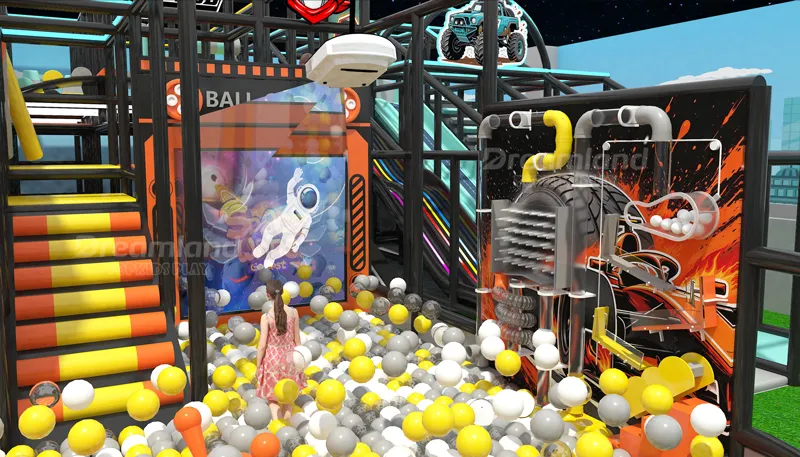
Why Is a Post-Installation Inspection Important Before Opening?
The purpose of a post-installation inspection is to check if the indoor playground was installed correctly and is ready for use. All defects that were discovered during the installation need to be checked and, if necessary, repaired before children can start playing in your facility.
In contrast to normal safety checks, which focus on visible damage, dirt, loose parts, etc., during business hours and in normal use, the post-installation check-up is a holistic check of the completed installation. For example, structural connections, anchoring, protective floor covering, distances between individual pieces, access routes, and other relevant features of the playground installation are checked.
The inspection also aims to verify that all necessary documentation, tests, and approvals have been completed. Any defects found during the inspection need to be recorded and assigned to the relevant person(s) to complete the necessary corrections. Re-inspection should also be arranged as required.
Verify Playground Installation Against Approved Drawings
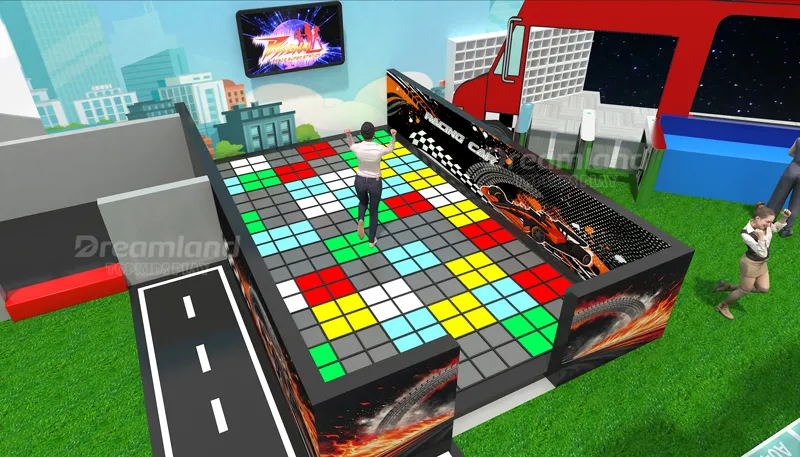
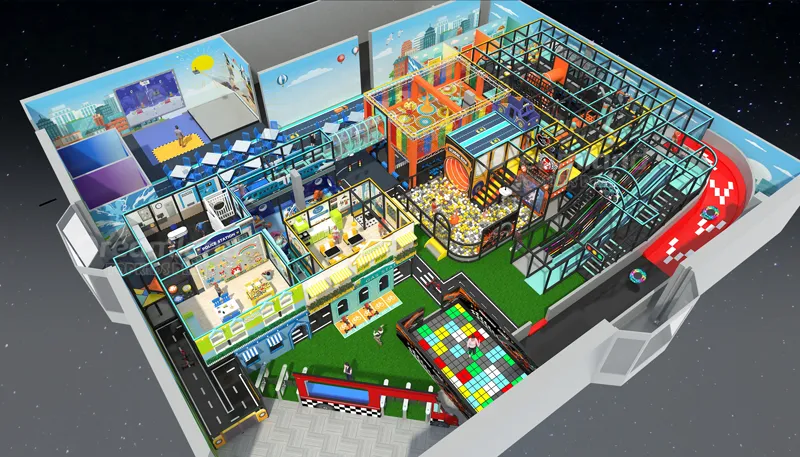
Compare the completed playground with the latest approved layout drawings, the approved playground equipment specifications and the manufacturer's installation instructions prior to opening the playground. Small discrepancies in the installation of the playground could prevent safe access to play, hinder safe movement around the play area and restrict the use of individual items of playground equipment.
Check Equipment Positioning and Dimensions
Check that all play structures such as slide stacks, climbing frames and activity zones have been installed in the correct locations outlined within the approved layout drawings. Also check the dimensions of items against the drawings to establish whether they will fit within the bounded area and are correctly oriented in relation to adjacent items and buildings.
Inspect Access Points and Required Clearances
Check that all entrances, exits, paths of travel and access routes are still clear. Check the distances between the playground equipment and any walls, ceilings, and other objects such as sheds, school buildings, etc. Also check the minimum distances for emergency exit access routes and for access by emergency services.
Document and Resolve Discrepancies
Identify any deviations from approved drawings. Take photographs of any such items and note their location. Advise the manufacturer or other suitable person as necessary to clarify any technical matters. Do not accept items that have been installed differently from the plan ‘because they seem to fit’. Correct any discrepancies and arrange reinspection where appropriate.
Final verification checklist:
- Equipment positions match the approved layout.
- Dimensions and orientation meet specifications.
- Required clearances are maintained.
- Entrances, exits, and circulation routes are unobstructed.
- Discrepancies are documented and resolved.
- Required corrective checks and approvals are complete.
Inspect Structural Stability, Connections, and Fasteners
Check all structural components of the playground for correct assembly in accordance with the manufacturer’s details. Do not open the playground until all parts have been correctly connected together. Loose fixings, misaligned joints, or supports not fixed correctly can cause serious injury.
Check Supporting Frames and Columns
Frames, posts, columns and other supporting structures must be inspected for any signs of damage or wear. They should also be checked for any signs of movement or deformation. If any of the components are found to be misaligned, this must be reported for further inspection by a qualified professional.
Examine Joints, Anchors, and Fasteners
All joints, bolts, screws, connectors and anchoring systems must be fixed in the specified locations. Verify that all required fasteners are present and that none of them are loose. Check all connections for any sign of damage. Tightening torque must be verified from the manufacturer’s instructions. Do not rely on assumed torque values or deviate from the recommended settings.
Arrange Qualified Structural Verification
Arrange verification of the critical structural parts by qualified personnel, with possible load testing according to the specifications of the equipment and the applicable safety rules. Document the findings of the inspection, the necessary repairs, and the corresponding approvals.
Final structural checklist:
- Frames and columns are correctly positioned and secured.
- Joints and connections show no visible defects.
- Required fasteners and anchors are present and properly installed.
- Structural concerns have been assessed and resolved.
- Required testing and professional approvals are documented.
Do not open the playground if structural defects remain unresolved or required verification is incomplete.
Check Protective Padding, Safety Netting, and Fall Protection
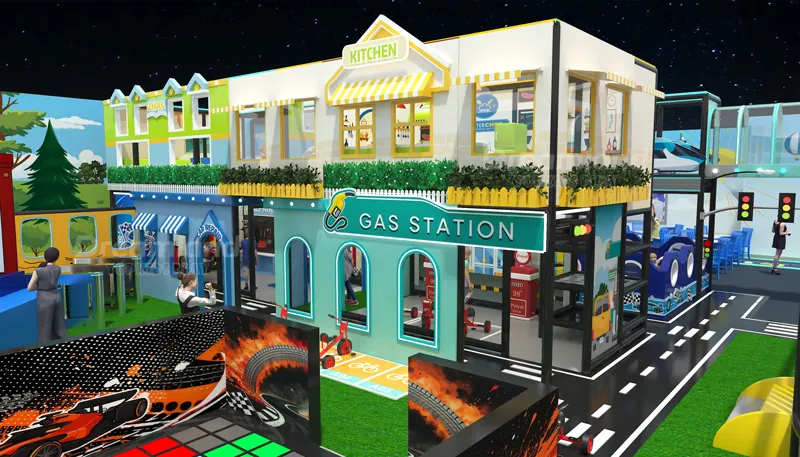
Protective components such as soft landing surfaces, netting, safety barriers, soft wall padding, and other safety features must be checked to ensure they have been installed correctly and are in good condition. All areas of play must be inspected, including elevated areas, soft play, climbing frames, slides, and enclosed play areas.
Inspect Foam Padding and Protective Covers
Check that all areas where children might hit something solid are covered with foam padding of the appropriate density. Check for exposed hard surfaces, torn covers, gaps between the padding and the structure, and signs that the padding has been subjected to excessive compression. Also, verify that the padding is securely attached so as to remain in position during normal use.
Examine Safety Netting and Guardrails
Examine safety netting and guardrails for damage such as torn mesh or strands, detached sections, broken attachment points, and sagging netting. Also, check for sufficient strength and proper attachment of guardrails and safety barriers. Ensure openings in barriers are sized in accordance with safety standards for the age group for which the equipment was designed.
Verify Fall Protection Around Elevated Areas
Inspect all elevated play features such as platforms, bridges, climbing structures and slides. Make sure that any barrier, impact surface, or safety feature has been installed in accordance with the manufacturer’s instructions and relevant safety standards for child users. Check for exposed edges, openings, and gaps between connected components.
Test Indoor Playground Equipment and Individual Attractions
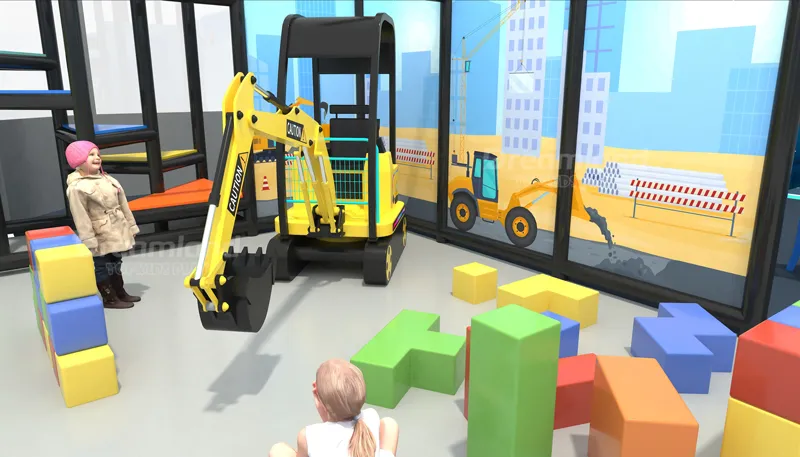
All indoor playground attractions have different requirements with respect to installation and use. A general visual check is not sufficient, and all individual play equipment must be inspected and tested before opening. All defects, including assembly defects, unsafely located transitions, and functional defects, must be found and repaired prior to use.
Inspect Slides and Climbing Structures
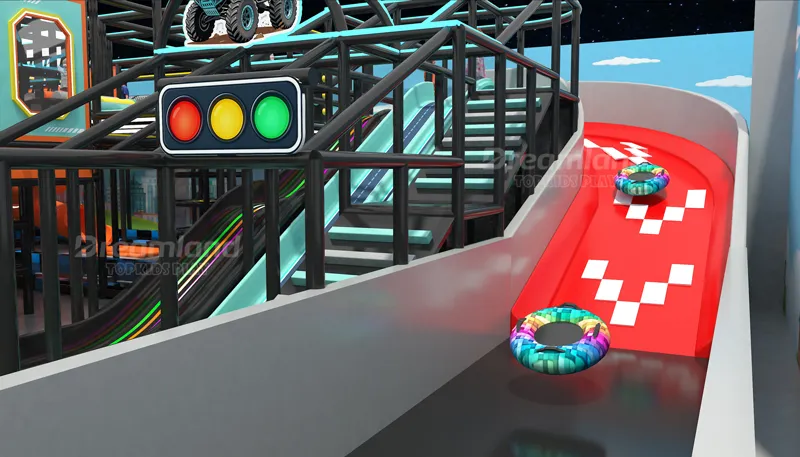
Check the slides for any signs of damage such as sharp edges, cracks, etc. Make sure all slides are securely fixed and correctly aligned in accordance with the manufacturer’s installation instructions. Also check the entrance and exit points to ensure that there are no obstacles to stop children entering and leaving the slide. Check all handholds, footholds, fixings and access routes on climbing walls for any signs of damage.
Examine Ball Pits and Soft Play Elements
Check the ball pit for adequate containment, a safe boundary, and safe entry/exit points. The ball pit and surrounding surfaces must be clean and free from exposed hard components and damaged surfaces. Check soft play elements such as soft play blocks, tunnels, mats and padded obstacles for loose or damaged covers, damaged seams or exposed filling. Also check for unstable connections.
Test Trampoline Parks and Ninja Courses
The frames of trampolines, the jumping surface itself, the springs or connections to other parts of the trampoline and the perimeter padding must be inspected as outlined by the manufacturer’s recommendations. In addition, obstacles, support structures, protective surfacing and all connections between obstacles must be checked for a ninja course. Where required, complete functional or load tests of the attractions and have them verified by the required authorities.
Verify Transitions Between Attractions
Note the connections between structures. Be aware of changes in height, gaps and exposed edges at connections between structures. Verify that the connections between structures and the traffic routes between structures are in accordance with the approved plan and relevant safety requirements.
Inspect Playground Flooring, Safety Zones, and Access Routes
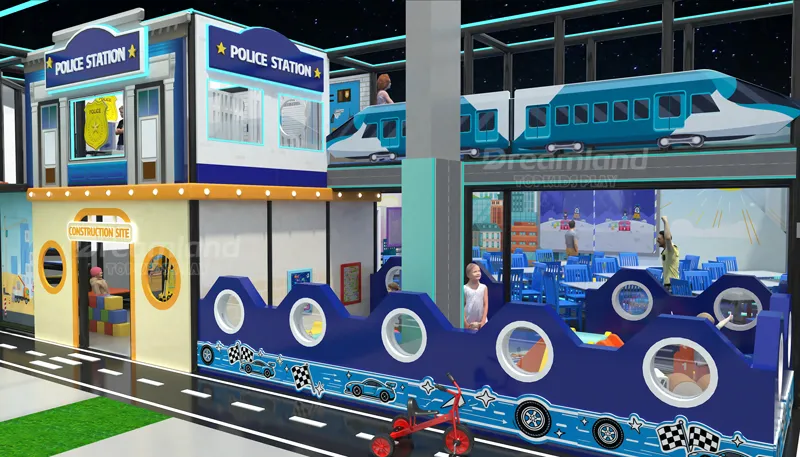
Flooring in playgrounds and along routes of travel helps to reduce injuries and allow children and staff to safely move around the facility. Before opening, inspect all surfaces for any installation faults, uneven joints, or obstructions that could cause a trip or fall. Also check that all flooring and safety areas have been completed in line with the approved design, manufacturers' specifications, and relevant safety guidelines.
Check Flooring and Impact-Absorbing Surfaces
Check the rubber flooring, foam mats, etc. for any gaps, uneven joints, loose, worn or damaged areas, and also check the transitions between different surfaces to ensure they are properly fitted. If required for impact-attenuation purposes, check that the surfacing has been installed to the correct depth and that any required testing (e.g. impact-attenuation testing) has been carried out by a suitable person.
Verify Landing Zones and Safety Clearances
Landing areas around slides, climbing walls, trampolines and tall play equipment must be clear of obstruction and have the required protective flooring and safety clearances in accordance with the approved design and relevant equipment instructions. The layout must be checked against the approved design.
Inspect Walkways and Accessible Routes
Inspect the facility for obstacles, exposed cables, loose mats, equipment stored in play areas, and abrupt changes in floor level. Ensure all entrances, exits, emergency egress routes and staff routes are unobstructed. Ensure accessible routes are provided where required and that they comply with the requirements of the applicable accessibility legislation.
Identify any flooring defects, blocked routes or inadequate safety areas and rectify these prior to opening. If a surface or clearance does not meet the criteria as laid out in the project brief, then restrict access to that area until all necessary work has been completed and verified.
Verify Fire Safety, Electrical Systems, and Emergency Exits
When your indoor play area is ready to open, check if fire protection, electrical installations and emergency arrangements are ready for use. When these systems are not fully checked, exits can be blocked, wiring can be exposed, and emergency lighting may not function, endangering visitors and potentially delaying the opening until local requirements are met.
Inspect Emergency Exits and Evacuation Routes
Before opening time, check all emergency exits from within the building and along the routes by which visitors would leave the premises. Check for obstruction by stored equipment, chairs, soft play, etc. Check that all exit signs and emergency lights are functioning correctly and that all aspects of the emergency evacuation plan are in place and comply with local legislation.
Check Fire Safety Equipment
Required fire safety equipment (e.g. fire extinguishers, fire alarm(s), fire detection systems) must be installed in the correct locations around the site and remain accessible at all times. Check that suitable records of inspection, maintenance and testing of fire safety equipment are held on site and that all staff are able to respond to an emergency situation at the site and have been briefed on the site emergency plan.
Verify Electrical Installations
Check accessible electrical installations for exposed wiring, damaged plugs, uncovered switches, etc. Verify that all electrical equipment and connections installed to service the playground have been installed and tested by a suitably qualified person. Pay particular attention to areas near play equipment and floor surfaces, where cables or components of electrical plant could cause damage.
Obtain Required Inspections and Approvals
It is not just the playground installation company’s approval you require. Other required safety checks and approvals need to be completed by qualified individuals or by your local authorities. Keep a record of all completed safety checks, any defects found, the corrective action(s) undertaken and approval(s) granted.
Don’t open your facility until all safety checks and approvals have been completed. Deal with any outstanding issues and ensure your emergency systems and means of escape are ready for use.
Check Safety Signage, Cleanliness, and Operational Readiness
Even when all play equipment has passed the inspection, it is very important to check for missing safety signs and to ensure that staff are fully prepared to manage visitors to the playground. A clean and well-organized playground with clear signage and markings and good management of visitor flow is key to a safe and enjoyable experience for children and accompanying adults.
Verify Safety Signage and Usage Instructions
All safety signs, including those indicating age limits, height limits, the maximum number of children, etc., must be displayed at appropriate points throughout the indoor and outdoor playground. The signs must be clearly readable and state the manufacturer’s requirements and the relevant legislation where applicable.
Complete Cleaning and Housekeeping
The interior of the play areas (floors, soft play, equipment, etc.), as well as other frequently used surfaces, must be cleaned prior to opening. All packaging, construction waste, loose screws, tools, etc. must be removed from the equipment and surrounding area. Cleaning products must be removed from play areas, and surfaces must be allowed to dry prior to visitors using the play area. Establish a regular cleaning routine and carry out checks to ensure a clean environment for children to play in.
Confirm Staff Training and Supervision
Have your staff informed of the special rules of play for specific equipment as well as any age/height restrictions, maximum capacity, and the amount of supervision that will be provided. Ensure that your staff are assigned to specific areas and can manage entry/exit points to control crowds. Make sure that your staff are aware of what to do in case of an equipment failure and can restrict access to a closed area if needed.
Prepare Visitor Flow and Emergency Response
Outline the path that visitors will take into the play center, around the individual attractions and out of the center. Be sure to keep the route clear of obstructions and allow space for queuing where necessary. Establish a procedure for assisting children who become lost. Set out a process to deal with injuries and to undertake evacuations as required. Also set out a method of communication and first aid response and detail how to call an ambulance, etc.
Operating safely from day one is important. Make sure your indoor playground is ready to operate safely before opening to visitors. Ensure you have written procedures to operate your facility, assigned staff roles, and completed any required training.

Complete Final Inspection Records and Pre-Opening Handover
Before opening your indoor playground, use a written sign-off checklist to document inspection findings, track corrective actions, and confirm that all required safety checks and approvals are complete.
Final Inspection and Handover Checklist
- Record inspection findings: Document the inspection date, equipment or area checked, inspector’s name, results, and any defects identified.
- Document defects: Record each defect’s location, severity, and supporting photographs where useful.
- Assign corrective actions: Identify the person or contractor responsible for each repair and set a completion deadline.
- Verify completed repairs: Arrange follow-up inspections and record the results before closing each defect.
- Confirm equipment condition: Verify that installed attractions, structural connections, protective padding, safety netting, flooring, and other relevant components meet applicable requirements.
- Collect safety documentation: Gather inspection reports, equipment manuals, maintenance instructions, warranties, and emergency procedures.
- Confirm required inspections: Ensure all applicable structural, equipment, electrical, fire-safety, and other required inspections are documented.
- Verify local approvals: Obtain all permits, certificates, and authority approvals required before opening.
- Confirm staff readiness: Verify that staff have received the necessary equipment, supervision, maintenance, and emergency-response training.
- Assign handover responsibilities: Clarify who is responsible for routine inspections, cleaning, maintenance, repairs, and incident reporting.
- Complete final sign-off: Record the authorized person’s name, signature, and acceptance date.
Important: Do not open equipment or areas with unresolved safety-critical defects. Complete the necessary repairs, verification, and approvals in accordance with manufacturer instructions, applicable standards, and local regulations before granting access.
Conclusion
A systematic post-installation inspection helps you move from equipment assembly to opening day with greater confidence. Correct identified defects, complete required approvals, and maintain accurate inspection records before welcoming visitors. For guidance on installation preparation, safety checks, and project coordination, explore Dreamland Playground’s installation guidance and project support services to help prepare your facility for a smooth handover.
Frequently Asked Questions About Post-Installation Playground Inspections
1. What should be checked after indoor playground installation?
Check equipment stability, fasteners, padding, flooring, safety clearances, signage, and emergency systems.
2. Who should perform the final playground safety inspection?
A qualified playground safety inspector or appropriate professional should perform the required checks.
3. Do trampoline parks and soft play areas require different inspections?
Yes. Trampoline parks require checks of jumping surfaces and enclosures, while soft play areas need padding, connections, and entrapment checks.
4. What inspection documents are needed before opening an indoor playground?
Inspection reports, repair records, equipment manuals, and applicable permits or safety approvals.
5. Can an indoor playground open if inspection issues are still unresolved?
No, not if safety-critical defects or required approvals remain unresolved.