

How to Build a Profitable Indoor Playground: From Strategic Design to Daily Operations
Right now, indoor laygrounds are stepping into a period like no other when it comes to earnings. Moving forward to 2026, the world's FEC scene keeps growing fast - driven by city dwellers increasing, more money available for living, and shifting ways families operate. Parents look closely for chances to enjoy time with kids that aren’t dependent on bad weather, bring laughter, also help little ones grow. What makes indoor playgrounds stand out is how well they serve current needs - safe spaces that stay open all year, bringing in money during slower seasons. Because they’re enclosed, upkeep tends to be lower compared to outdoor setups. Their ability to grow makes them less vulnerable to market shifts compared to more unstable forms of entertainment.
A difference exists between thriving indoor playgrounds and ones that falter, even with large spaces or costly gear. Behind success isn’t bigger floors or heavier bills - it’s mindset. Those who make it happen now stop at buying toys. They design systems where movement, staffing, safety rules, signage, and promotion link like pieces in a puzzle. From the start, design should serve purpose - turning a play space into a working concept. In short, indoor playgrounds are no longer just play spaces—they are scalable entertainment businesses.
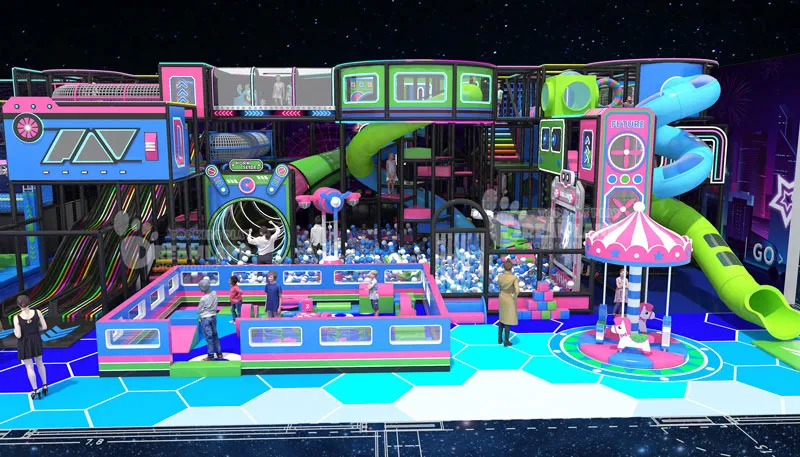
Strategic Planning: Maximizing ROI Through Location & Data
Smart Site Selection: Balancing Rent Costs with Digital Visibility and Demographics
Starting strong means picking the right spot. A place hidden from view or hard to reach won’t draw visitors. Saving on rent might feel like a win early on. Yet if parents drive by without noticing, cash flow slows down fast. Outdoors or city centers tend to pull in more kids during weekends. Spotting patterns shows playzones close to homes, parks, or stores work best. Visibility matters - so does access. Profit grows where people naturally go. Just as key is where the place shows up in web searches - many caregivers type things like "kids' spots near me" into their phones.
Defining Your Niche: Filling Market Gaps
Beyond where it's located, picking a specific area of focus matters. A lot of fresh indoor play zones collapse when they aim at every guest type without depth. Looking closely at who lives nearby plus what already exists there reveals overlooked needs - shaping how the new spot fits in. That kind of research guides smarter openings. Not every neighborhood offers wild adventure play zones for bigger kids. Some spots are missing soft, touch-based spaces where little ones explore by feeling. When a business picks one clear area of focus, it becomes more noticeable. That sharp direction helps keep customers returning. Stronger rates tend to follow such choices too. Popular niche examples include:
- Toddler and sensory play (ages 1–4)
- Adventure and ninja courses for older children and teens
- STEM and interactive digital play
- Inclusive play spaces for children with special needs
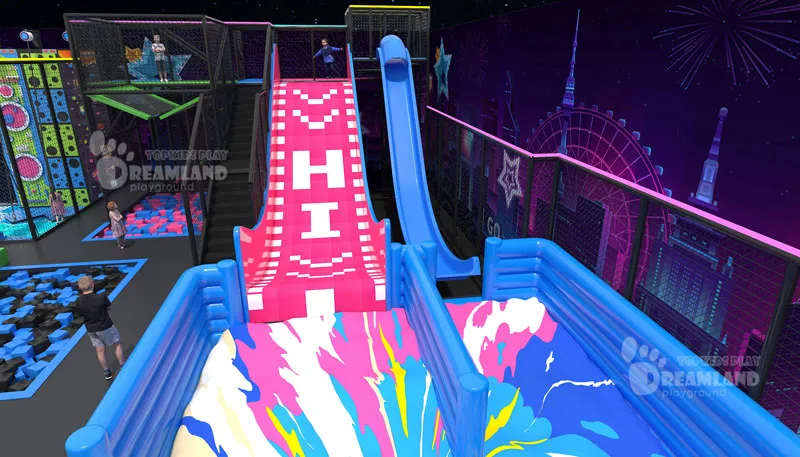
Design for Profit: Revenue-Driving Layout Strategies
Eliminating “Dead Zones”: Professional Space Planning
It's common to miss the way design influences earnings at indoor play areas. Empty corners happen when layouts lack planning - those gaps do nothing despite taking room. People who design spaces aim to fit more guests while holding attention and lifting revenue behind the scenes. Put main attractions where they make the most sense. Place play zones, walkways, seating, and party rooms carefully. This layout helps larger groups come through simultaneously. Size stays fine when planning works. Professional designing includes:
- Maximizing play capacity
- Ensuring smooth guest flow
- Separating active and quiet zones
- Maintaining clear sightlines for parents and staff
The “Anchor” Effect: High-Draw Attractions That Drive Traffic
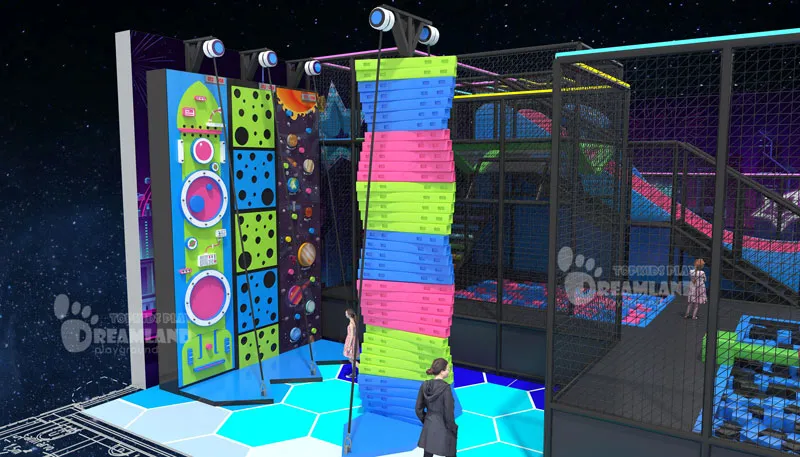
Bold, expensive touches tend to catch eyes where kids play. Not your average swing or seesaw - think tough ninja trails, giant climb walls, screens that respond to touch, or playgrounds molded like digital realms. They grab attention. That shine brings in bigger groups. Families linger. Stories spread. Before you know it, familiar faces return. Every thrilling feature adds a layer of future income possibilities. High-performing anchor attractions include:
- Ninja obstacle courses
- Trampoline park zones
- Interactive climbing walls
- Cyber-tech and AR play systems
Strategic Upselling: Cafe and Pro-Shop Placement
What matters just as much is where you place additional income options. Places like cafes, tiny snack stands, or shops carrying everyday goods usually appear close to groups of caregivers - reason being, humans have a habit of gathering there. People flowing by such areas make swift choices easier to happen. Start thinking about those spots ahead of time. When they’re included now, not pushed on later, people stay into the moment. Earnings rise without drawing attention away.
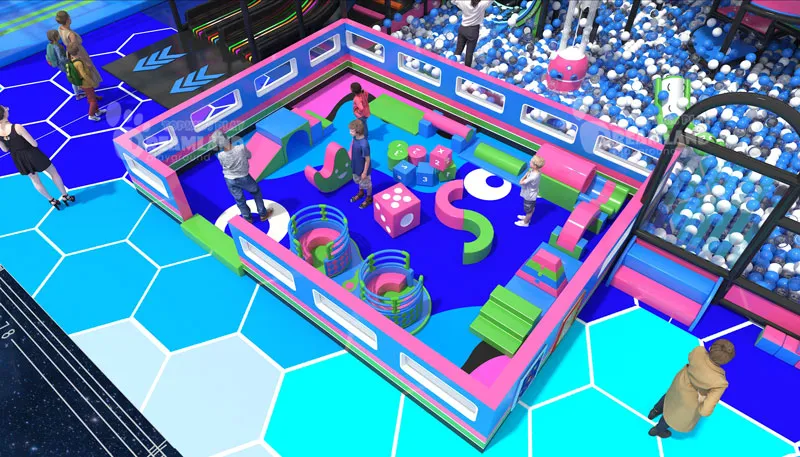
Diversifying Income: Beyond the Admission Ticket
The Birthday Party Engine: Your #1 Profit Driver
Not every dollar comes from the front-door fee. Some indoor playground centers find ways to earn beyond basic admission prices, lifting overall guest spending. Think weekends filled with cake, gifts, and packages - those bring in more than usual. Profits tend to pile up during birthday events when schedules get tight. That one type of visit often drives results further than expected. Birthday gatherings boost income by turning casual visits into polished events - private rooms, elaborate decorations, dedicated hosts, and upscale touches take over where simple fun once ruled. Across many spots, scheduled celebrations now make up the majority of daily earnings. Key success factors:
- Dedicated party hosts
- Pre-designed packages
- Online booking and deposits
- Efficient room turnover
Secondary Revenue Streams: Food, Merchandise, and Retail
Making money happen - just handle food and drink smartly. Not fancy gear needed; quick wins come from items such as coffee, snacks, or grouped deals that sell fast. Branding each item helps grab attention everywhere it appears. That tag sticks, pulling in sales without extra effort. Not every product sticks around by chasing profits alone. Take socks, garments, or reusable drinks containers - they catch eyes first. Recognition grows quietly through them. Popular options include:
- Pre-packaged snacks
- Coffee for parents
- Combo meal deals during parties
Predictable Cash Flow: Memberships and Subscriptions
When members pay regularly, companies get consistent money flow. Income stays strong because people return often, thanks to recurring charges - either monthly or yearly - that create ongoing ties. Those choosing group options usually arrive more frequently during quiet weeks, spreading time across days so spots stay busy.
Operational Efficiency: Protecting Your Bottom Line
The Safety Shield: Certifications That Reduce Risk and Insurance Costs
Money's place shifts with regular activities.In a children's play environment, safety isn't just a requirement—it's the core of your brand's reputation.Meeting both ASTM and EN rules guards against legal trouble, lowers insurance bills, yet still lets parents breathe easier. When playgrounds get right-of-way approval, trouble happens less often, so time spent closed cuts down. That means fewer lost earnings.
Durability as Profit: Why Quality Materials Matter
Lasting things earn more over time. Though shiny new parts cost less up front, they often demand repairs often, stop workflows frequently, finally get swapped out. Stronger equipment lasts longer, cuts downtime, holds satisfaction from users far better. When things unfold this way, good results stick around not because people try harder - but because progress accumulates slowly, layer by layer.
- Longer lifespan
- Lower maintenance costs
- Better customer experience
Tech-Driven Operations: Cutting Labor Costs
These days, technology helps save time and work by making operations run faster. Without old-fashioned handlings, platforms for booking handle visitors without hiccups. Entries move quicker when digital forms take over standard checks, cutting delays. Live monitoring of areas comes from smart setups that update space data as things change. These days, visitors manage check-in on their own through kiosks or phone tools. Supervision isn’t required as much anymore, so companies handle larger groups without adding many more staff. Even during hectic periods, support systems keep performing well. Like:
- Online ticketing and reservations
- Digital waivers
- Self-check-in kiosks
- Automated capacity control
Marketing & Reputation: Building Local Loyalty
Instagrammable Design: Free Marketing Through Parents
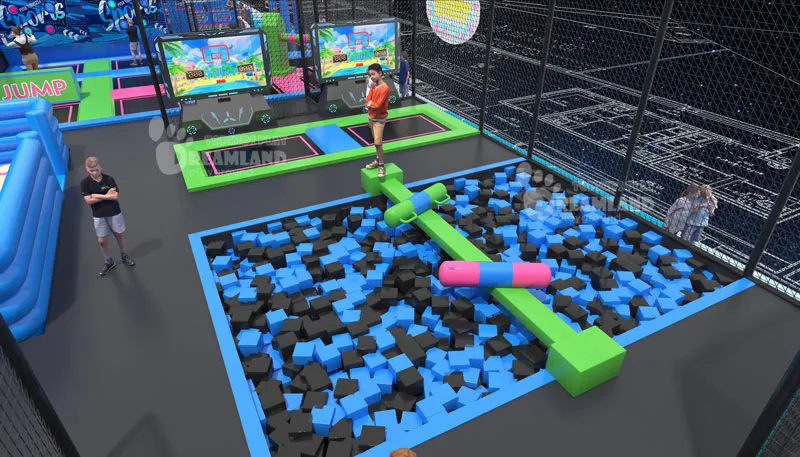
A successful indoor play area often comes down to first impressions. Bold hues, whimsical layouts, together with energetic environments tempt parents to take photos - often shared later, after no request was made. News travels on its own through these spots, naturally building buzz beyond paid promotions, especially within local circles. Something bright in the playground pulls eyes, then pulls crowds and creates lasting brand impressions.
Community Integration: Consistent Weekday Traffic
Built-in activity patterns boost visibility while drawing steady visitor flow. Links with nearby classrooms, child care spots, and neighborhood groups take up empty slots during workdays. Events tied to learning outings, play-based lessons, and shared neighborhood moments shift the space's role from profit-driven to community-centered. Over time, this method fosters strong customer loyalty while lessening reliance only on busy weekends. Partnering with:
- Schools
- Daycares
- Community centers
- Local businesses
Conclusion: Partnering with Dreamland Playground for Success
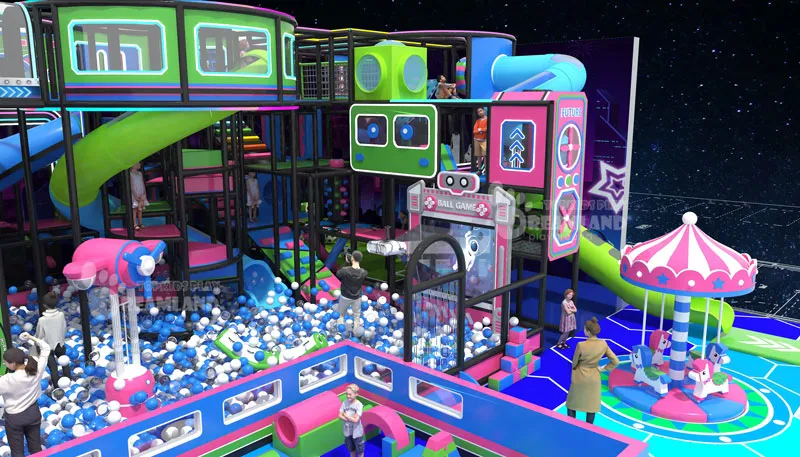
Starting a successful indoor playground means handling many pieces at once - design, build, safety, and daily running all need careful knowledge. Because of this challenge, quite a few buyers look toward full-service turnkey options for their centers. With such systems, everything moves faster - from early planning and 3D layouts right up to making parts, setting them up, putting them in place, then checking safety last. Faster market entry becomes possible when teams collaborate with just one skilled partner. Costly errors drop while overall risk shrinks under such arrangements. Experience flows more directly in these setups.
More than 5,000 worldwide efforts have shaped how Dreamland Playground operates - this history builds real-world expertise. Factory-direct manufacturing brings speed, global safety approvals add confidence, while design assistance covers layout needs - together they form a path toward building centers that draw crowds without draining resources. What stands out isn’t flashy marketing but tangible results: places that earn their keep through smart planning rather than mere appeal.
FAQ
How long does it take to reach the break-even point?
A handful of carefully organized indoor play zones hit profitability between one and two years after opening, assuming fair lease terms, reasonable admission costs, along with extra sources of income.
What certifications are required for US and EU insurance?
Insurance often needs ASTM rules for the United States while Europe usually requires EN 1176 or EN 1177.
How can I generate revenue during school hours?
Membership options appear first, followed by playdates for little ones, collaborations with schools nearby, along with chances to book exclusive gatherings for small groups.
Why is a turnkey solution more cost-effective than sourcing vendors separately?
With turnkey firms handling design, mistakes drop. Compatibility gets checked early. Maintenance worries shrink later. Operations gain stability too.
Can a small space (under 3,000 sq ft) still be highly profitable?
Even small spots under 3,000 square feet might bring in money. Size alone doesn’t stop profit.
That’s right. A small indoor play space might earn more per square unit when layout, target audience, and earnings from groups are handled well.