

7 Questions to Ask a Playground Manufacturer Before You Sign
Planning a new commercial indoor playground or Family Entertainment Center (FEC) is a significant investment. Each design decision affects your long-term ROI, visitor experience, and operational safety. While price is important, factors such as compliance, design quality, installation, and material durability are equally critical. Choosing a manufacturer who understands U.S. safety requirements and project-specific needs is essential.
In the United States, the concerns of liability, safety standards, and insurance requirements for playgrounds make selecting a supplier one of the most important decisions that you will make during the development of your Family Entertainment Center, indoor playground, trampoline park, or commercial play space.
Before you sign the contract for the commercial playground equipment for your Family Entertainment Center (FEC), indoor playground, trampoline park, or commercial play space, make sure you ask the supplier the 7 following critical questions to protect your investment and avoid potential risks.
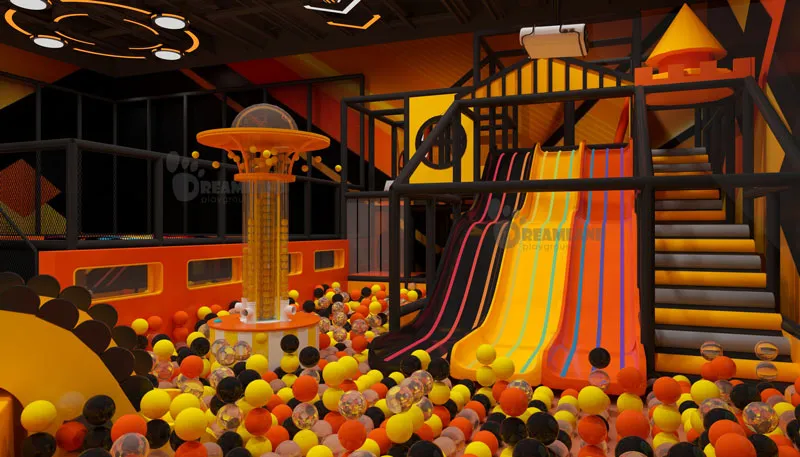
Which U.S. Safety Standards Apply to This Project, and Can You Provide Current Third-Party Test Reports?
Safety compliance depends on the type of playground attraction:
Soft-contained indoor play systems: ASTM F1918
Public-use playground equipment: ASTM F1487
Commercial trampoline courts: ASTM F2970
Buyers should also verify local and state requirements, insurance guidelines, and project-specific approvals. Relying solely on the manufacturer’s declaration of compliance is insufficient for insurance, legal, or operational purposes.
Ask for:
Third-party test reports specifying the applicable ASTM standard, tested components, laboratory, and test date
Certification documents from accredited laboratories
Product safety verification records relevant to your project
Installing non-compliant equipment can pose a significant risk to the business, insurance, and operation of the facility. The manufacturer must be able to provide safety documentation quickly and transparently for consideration by the buyer. Third-party test reports specifying the applicable ASTM standard, tested components, laboratory, and test date
Certification documents from accredited laboratories
Product safety verification records relevant to your project
Why It Matters
A single safety issue can lead to a costly lawsuit, be very bad for your business’s reputation, cause your insurance rates to go up, and put your business out of operation for a long time. Safety compliance is not optional for commercial play spaces in the United States.
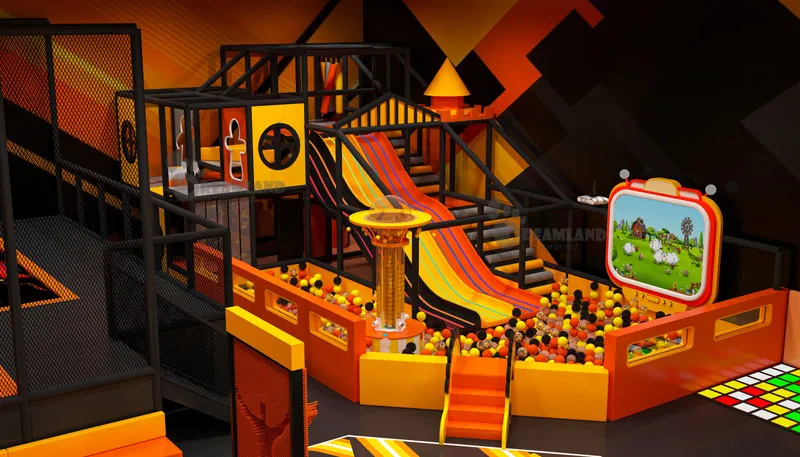
What Is Included in Your Design Process, and Are Structural Customizations Free?
An effective commercial playground system should be designed around the specific venue. No two commercial venues are identical, and layout must account for ceiling height, floor plan, traffic flow, emergency exits, and customer capacity.
Ask for:
Custom 3D playground design
Building-specific layout planning
Traffic flow optimization
Capacity calculations
Multiple design revisions
Photorealistic renderings
Documentation suitable for a landlord, investor, franchise, and local permit review
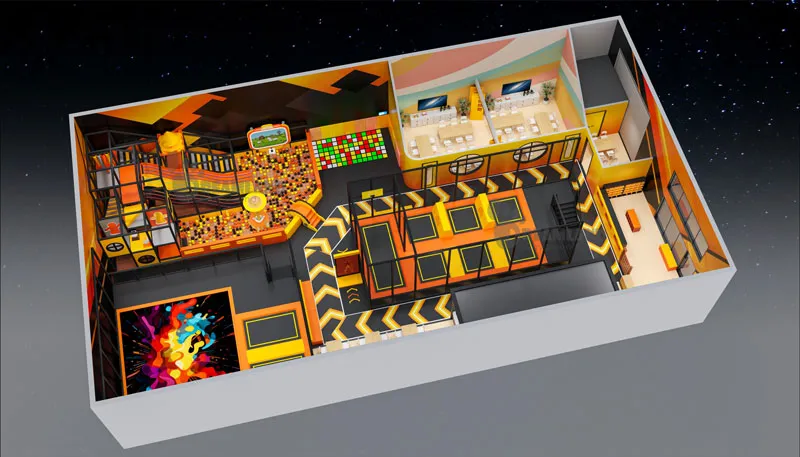
Ideally, the location would be set up in 3D to allow for better visualization of the proposed playground. A detailed 3D layout also proves to be very valuable when seeking landlord approval, seeking funding from an investor, obtaining approval from a franchisor, and obtaining local permits and approvals. The 3D design also allows the designer and client to make any necessary changes before final manufacturing of the equipment.
A quality manufacturer should be able to develop a quality design for your facility. In addition to developing a good design, the manufacturer should provide a 3D rendering of the finished product. The 3D rendering can be very useful to the landlord, to the investor, to your franchise development person, and to local permit officials. Even more importantly, the 3D design will allow you to identify problems before they become major issues and lead to costly changes down the road.
Why It Matters
In relation to the design service provided by a manufacturer, it is vital to understand the scope of modifications that can be incorporated within the price quoted for the playground. There are some manufacturers who charge for additional design modifications on top of the quoted price for the playground. In some cases, there could be an unlimited number of design changes, while in other cases, there could be a certain number of modifications allowed. It is best to understand this prior to proceeding with a supplier.
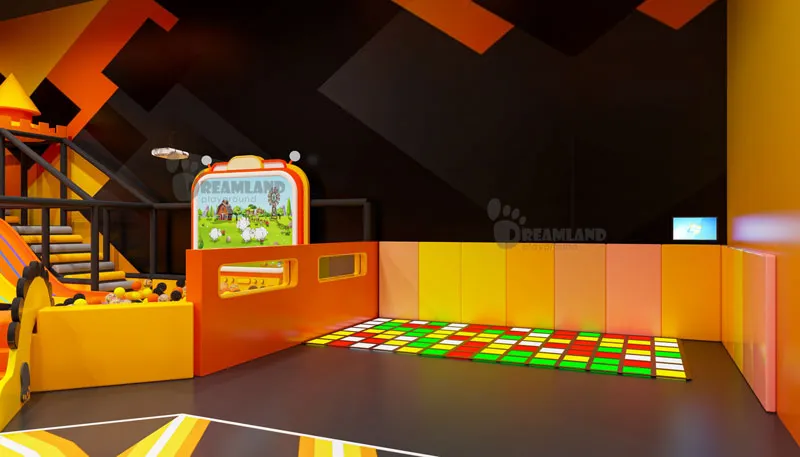
Can You Provide References or Verifiable Case Studies of Active Projects in the US?
Experience is key to any good company. Any reputable manufacturer supplying commercial playgrounds for North America should have several examples of current projects going on in the United States. Ask to see pictures and or a detailed description of the project. By doing this, you can get a feel for the quality of the finished product, the level of professionalism displayed at installation, and the overall ability of the supplier to complete a project promptly.
Ask for:
Project portfolios
Installation photos
Customer testimonials
Video walkthroughs
Business references
Contact information for previous clients
Find a supplier’s past customers and ask for their feedback. Find out if there are any past clients who would be willing to share their experience with a supplier. Find out the strengths and weaknesses of a supplier in terms of their product, communication, and in terms of how they meet their delivery times. If they have excellent after-sales service, then they are a supplier that you may want to consider.
Questions to ask references include:
Was the project delivered on schedule?
Did the installation go smoothly?
How responsive was customer support?
Have there been any quality issues?
Would they work with the supplier again?
In addition to understanding shipping from foreign countries, be sure to also find out if the supplier is familiar with US shipping procedures and all of the various customs and import regulations that affect the delivery of products into the US.
Why It Matters
Manufacturers with a lot of experience shipping to North America will generally have a better grasp of the ins and outs of shipping across the seas than a company based in another part of the world.
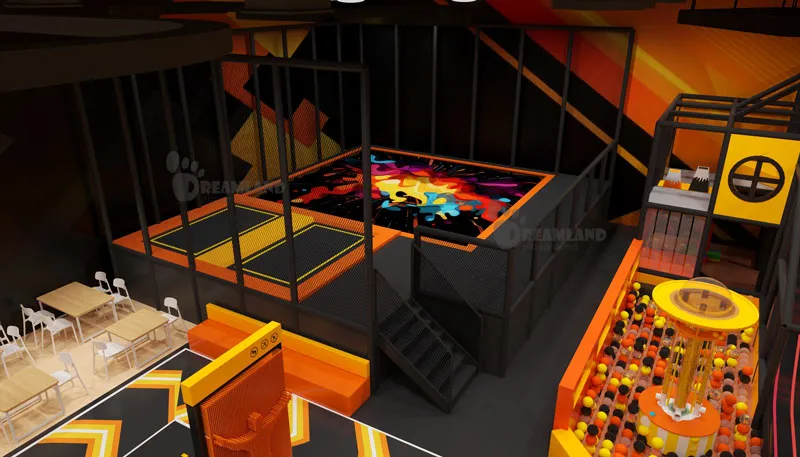
How Is the Installation Handled, and Do You Provide Certified Installation Support?
Proper installation ensures long-term equipment safety and durability. Clarify who is responsible for each stage and ensure support is available via:
Ask for:
On-site installation supervisors
Certified installation teams, if available
Detailed manuals and 3D assembly guides
Remote technical support (phone, email, video)
Proper playground equipment installation is essential to ensure long-lasting equipment. Also, it helps to ensure that the playground will be safe for children and comply with all applicable safety standards. By choosing a manufacturer who offers qualified installation support, you can avoid a lot of trouble after the opening of your new playground.
What Exactly Does Your Warranty Cover, and How Fast Can Replacement Parts Be Delivered?
A warranty can be a good safety net, but only if you have a clear understanding of what you are getting. For example, playgrounds made of structural steel are typically warranted for several years, but soft play components, plastic components, and parts that move are typically covered for shorter time frames. Even then, wear and tear, failure to complete recommended maintenance, etc., can void a warranty.
Request a component-by-component warranty schedule covering structural steel, plastics, padding, nets, moving components, electronics, and normal wear exclusions. Confirm:
Start date of warranty
Impact of international shipping and installation on coverage
Exclusions for normal wear or improper use
Availability and delivery time of replacement parts
Do not look at the length of time that a commercial playground warranty covers defects. Also, look at what is included and what is not. Many commercial playground warranties do not cover normal wear and tear. In addition, some warranties require special care and maintenance to stay in effect. Make sure you understand the terms of the warranty before you purchase your playground. If you do not, you may be very disappointed when you need to make a claim, and it is not covered.
Another critical issue is the availability of replacement parts. Sometimes a small part breaks off a product, and as a result, the entire installation has to be shut down until the broken part is repaired or replaced. Lost revenue, as well as angry children and their parents, can be the result of a delayed repair.
Why It Matters
It is therefore important to ask the supplier where the spare parts are stored and how quickly they can be sent to you.
What Materials Do You Use to Ensure Structural Longevity in High-Traffic Commercial Environments?
Buyers should request material test reports covering:
Steel grade, diameter, wall thickness, and surface treatment
Foam density and thickness
PVC or soft padding flame-retardancy tests
Non-toxic plastic chemical testing
Net ropes, load rating, and wear resistance
Fasteners, corrosion protection, and welding standards
Why Durable Material Matters
Durable commercial-grade equipment is the best long-term solution to meet your playground needs, saving you money in the long run with lower operating expenses and happy customers playing on your playground for years to come.
What Are the Hidden Costs Beyond the Initial Factory Quote?
One of the biggest mistakes that people make when they’re looking for playgrounds are they always look at the factory quotation, and they don't realize that there are other costs that get added to the total cost of the project. These are called shipping charges or duty and tariffs, destination charges, and other things that get added in once the product is actually exported out of the country and into the destination country.
So, for example, there’s ocean freight:
Ocean freight
Customs duties
Tariffs
Destination port fees
Local trucking
Liftgate services
Warehouse storage charges
Customs clearance fees
And all of these different fees can really add up quickly and become a part of the total cost of the project.
It is very important to clarify the shipping terms of your playground quotation. Additional costs to the initial quotation can be incurred for international purchases, and these costs can add up quickly to form a large bill at the end of the day. The terms FOB, CIF, and DDP need to be explained in detail to avoid confusion on who is responsible for certain aspects of the distribution of the playground. Many problems have occurred with playground buyers and suppliers due to misunderstandings over the shipping terms.
Why Hidden Costs Matter
A transparent manufacturer will lay out expected costs and clearly list all expenses included in their quote for investors to budget accordingly.
Conclusion
Investing in a commercial indoor playground is a big investment for any entrepreneur or business owner. The Manufacturer that you choose will influence far more than the colorful visual representations of playground equipment that will be in your indoor playground facility. Their knowledge, quality of products, compliance with national and local health and safety codes, installation of equipment, and post-sales service will greatly affect your indoor play facility’s profitability, safety, and success in the long run.
By asking these questions, you can identify suppliers who put quality first and are transparent and fair towards their customers. A reliable manufacturer is more than a supplier of playground equipment. He or she is your business partner who protects your investment, fulfills all of your official requirements, and – in the long run – is most profitable for you.
Planning a New Commercial Indoor Playground or Family Entertainment Center?
Contact Dreamland Playground today to schedule a consultation with our experts. We provide a complimentary 3D concept tailored to your venue, target age group, and business goals. Applicable safety standards and local approvals should be confirmed with qualified professionals.
Frequently Asked Questions
How Long Does the Entire Process Take From Initial Design to Delivery in the US?
The time required for a commercial indoor playground project is typically between 8 weeks and 3 months from the time the design is approved by the manufacturer. This will depend on the degree of customization required, the manufacturer’s production schedule, and the time required for shipping to your facility.
What Is the Difference Between FOB, CIF, and DDP Shipping Terms?
FOB: The seller delivers the goods on board the vessel at the named port of shipment. Risk transfers to the buyer once the goods are loaded.
CIF: The seller arranges and pays for freight and insurance to the destination port, but risk generally transfers at the port of origin when loaded.
DDP: The seller arranges transportation and handles export/import clearance to the named destination. The exact delivery point and unloading responsibility must be defined in the contract.
What Fire-Safety and Material Test Documents Should a Buyer Request?
Buyers should request test reports specifying tested materials, test method, report date, laboratory, and product scope. Dreamland can provide documentation available for the materials and equipment in the specific quotation.
Can I Expand or Modify My Playground Layout in the Future as My Business Grows?
Yes. Most commercial indoor playgrounds are designed as modular play equipment and can be easily extended at a later time.
What Standard Maintenance Is Required to Keep a Commercial Indoor Playground Compliant?
Routine maintenance for the indoor playground equipment includes daily checks to make sure everything is in good condition and is clean. Periodic checks on the hardware, such as the bearings, and safety checks will also help to identify any problems before a child gets hurt.