

How Much Does an Indoor Playground Cost? (A Complete 2026 Budgeting Guide)
The cost to construct an indoor playground can vary. A small family entertainment centre can cost anything up to $50,000 to establish, while a large-scale centre can be as expensive as $1 million. The cost of your production plant will be determined by several factors, including the scale of your facilities, the complexity of your production equipment, compliance with safety regulations, and the degree to which your manufacturing plant is customized to fit your revenue model. With a wealth of experience in conceiving over 5,000 indoor playground centres worldwide, Dreamland Playground formulates prices differently, going beyond merely quoting the cost of play equipment. Instead, it develops a business strategy to ensure long-term profitability for the client. Let's learn the cost of an indoor playground in detail.
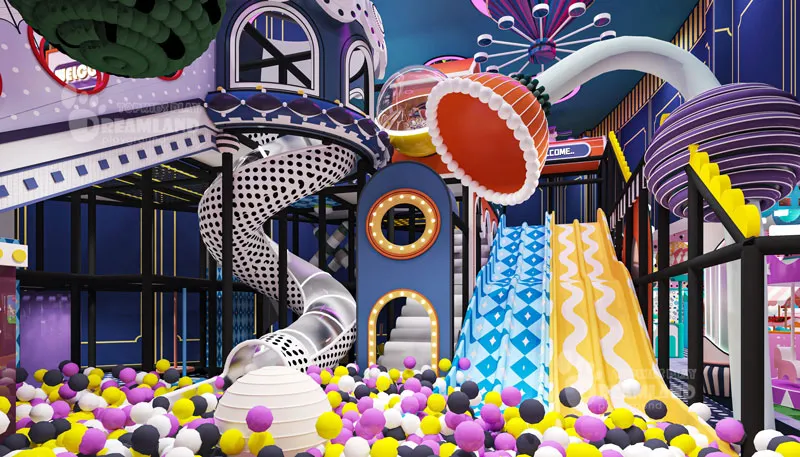
The Three Pillars of Indoor Playground Investment
Facility and Infrastructure Costs
Typically under underestimated by the new business operator are facility and infrastructure costs, which are the main components of the total investment. Among these costs are electrical wiring, fire safety equipment, the renovation of restrooms or plumbing, professional lighting, HVAC systems, climate control and air circulation, and rent deposits. Compliance with building regulations regarding fire and ventilation in many areas has to be completed before a building can get its licence. Effective infrastructure planning helps to streamline the inspection process, reduces the time taken to open a bank, and minimizes operational risk.
Core Play Equipment Investment
Generally, play equipment is the most noticeable budget item for an indoor play centre and accounts for the greatest expense. The cost includes manufacturing costs, safety-certified materials, packaging, international shipping (FOB or CIF), import duties, and local taxes. Though safety equipment conforming to the specifications of ASTM and EN will generally be costlier to purchase at the start, it can bring down the cost of insurance, maintenance, and claims in the long run by reducing the risk of injury. As the world moves towards 2026, it is anticipated that more professionals will place a greater emphasis on durability and compliance rather than cost-cutting.
Launch and Operating Expenses
Operating and opening a playground requires attention to budgeting for start-up and operational costs. The charges cover the cost of venue and branding theming, digital marketing, advertising in the local area, salaries for the initial three to six months, staff, insurance, and the professional installation work. The success of a product is significantly influenced by its initial marketing campaign. This influences both early earnings and the time it takes to become financially independent.
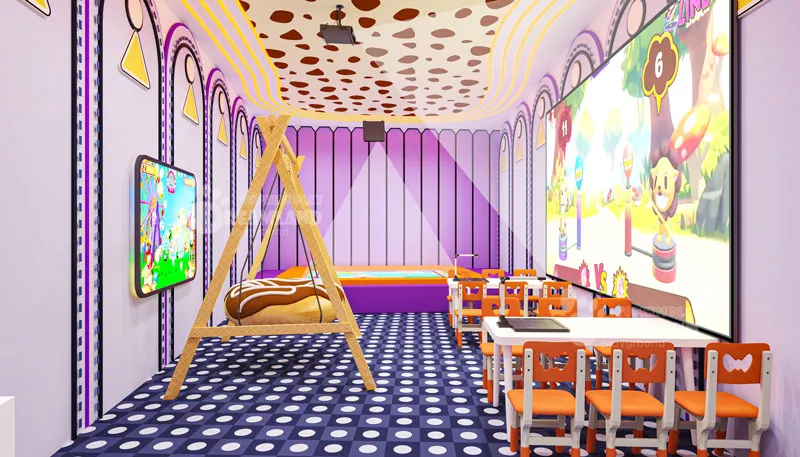
2026 Indoor Playground Cost Benchmark Table
Indoor playgrounds, which were professionally installed in 2026, according to suppliers, varied in cost due to numerous factors. These include operational performance and current market prices. The data below pertains to equipment-focused investment, excluding rent and infrastructure, and is meant to provide a quick reference for investors who need to match their budget expectations with their business models.
Small Indoor Playground (Under 200 sqm)
Indoor play centres are generally found in shopping centres, residential estates, or mixed-use commercial developments. Children's play facilities costing between $50,000 and $100,000 give priority to safety, simplicity, and comfort, and are geared towards pre-school children. Play areas specifically designed for toddlers can generate repeat business through regular visits from local residents. An indoor ball pit is a cheap option that children really enjoy. While revenues from theme parks are determined by ticket prices, the profitability of such operations relies more heavily on visitors frequenting these parks, subscription plans, and food sold on site. This results in a good business to get into for investors who are just starting.
Mid-Sized Family Entertainment Center (200–1,000 sqm)
The medium-sized facilities in the FEC industry offer the best balance between revenue and investment for the indoor play market. Large playcentres, costing around $150,000 to $300,000, accommodate children of a wider age range and include features such as trampoline parks, a number of slides, and private party rooms. In smaller venues, the venues can earn more money through parties and events by letting customers hire the venue for special occasions. This model strikes a good balance between initial outlay and rate of return for many companies.
Large Adventure or Destination Park (1,000+ sqm)
In indoor adventure parks and large play centres, initial costs amount to at least $300,000. They provide a destination for an area. These venues feature high-capacity equipment such as climbing walls, ropes courses, and ninja obstacle courses, which can accommodate large crowds. Despite the higher operational costs, theme parks can benefit in other ways, including high visibility, higher ticket prices, and opportunities to sell advertising to other companies. With a well-designed concept, large-scale parks are able to attract a lot of visitors over a period of time and are therefore of interest to experienced investors and also experienced operators.
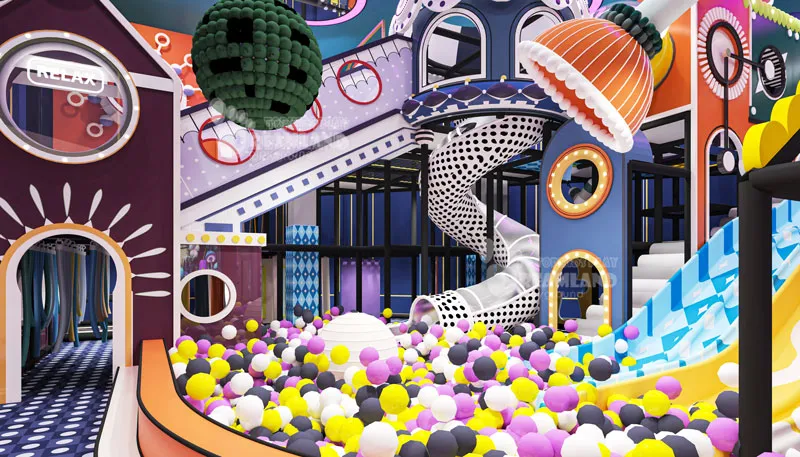
A Random Overview Of the Cost Table
|
Park Type |
Typical Size (sqm) |
Estimated Equipment Investment (USD) |
Recommended Attractions |
Profit Potential Analysis |
|
Small Indoor Playground |
Under 200 |
$50,000 – $100,000 |
Toddler Soft Play, Interactive Ball Pit |
Low entry barrier; revenue driven by repeat visits and F&B |
|
Mid-Sized Family Entertainment Center (FEC) |
200 – 1,000 |
$150,000 – $300,000 |
Trampolines, Slide Combos, Party Rooms |
Birthday parties and group bookings dominate revenue |
|
Large Adventure or Destination Park |
1,000+ |
$300,000+ |
Ninja Courses, Climbing Walls, High Ropes |
High-capacity landmark venue with scalable income streams |
How to Use This Benchmark Table for Budget Planning
This table is a strategic tool for planning and should not be taken as a definitive quote. The final price will be affected by the quality of the materials used, the extent of the customisation, regional laws, and safety specifications. When investing in a new shopping centre, choose a type of mall that matches the local area's needs and the potential rental income. Next, attempt to create a design that will maximise earnings per square metre rather than cutting costs at the outset.
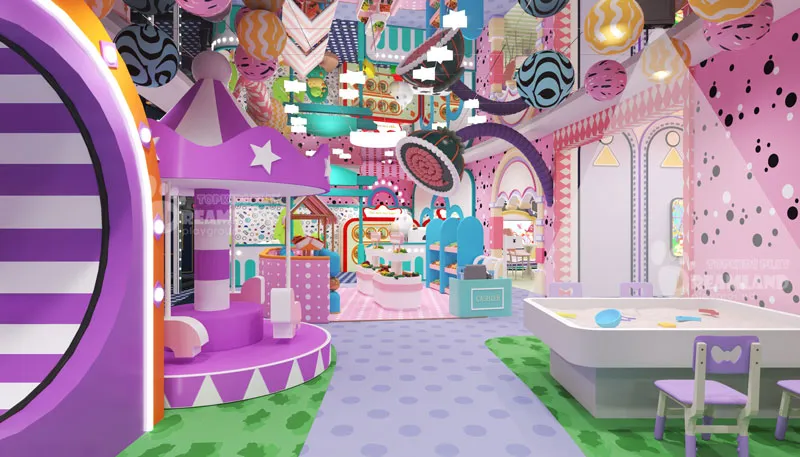
Core Variables That Shape Your Indoor Playground Quote
Space Utilization and Vertical Design
One of the largest expenses for indoor playground operators is usually the rent on the facility. The most efficient play areas make the best use of vertical space by installing a number of climbing structures, so that more children can play without extra space being needed on the ground. Buildings that are arranged in a multi-level layout provide the most rent for the space used, and they are especially useful in a city where the cost of leasing the space is high.
Safety Standards and Compliance
Selecting surfacing material that has the ASTM F 2779 or the BS EN 1176 approval is good financially in the long run. Certified gear diminishes mishap chance, brings down protection premiums, and minimizes liability. Certified products, although more costly at the start, frequently prove cheaper in the long run due to reduced need for maintenance and repairs, as well as lessened liability issues.
Operational Efficiency by Design
The design of a playground has a significant impact on the number of staff required to supervise children at play. The Zero Blind Spot layout at Dreamland's playground enhances supervision, allowing a smaller number of staff to keep a watchful eye over more children at all times. Employing this layout method will allow plant operators to potentially reduce their expenses associated with monitoring equipment over twenty years by as much as twenty percent.
Customization and Branding Strategy
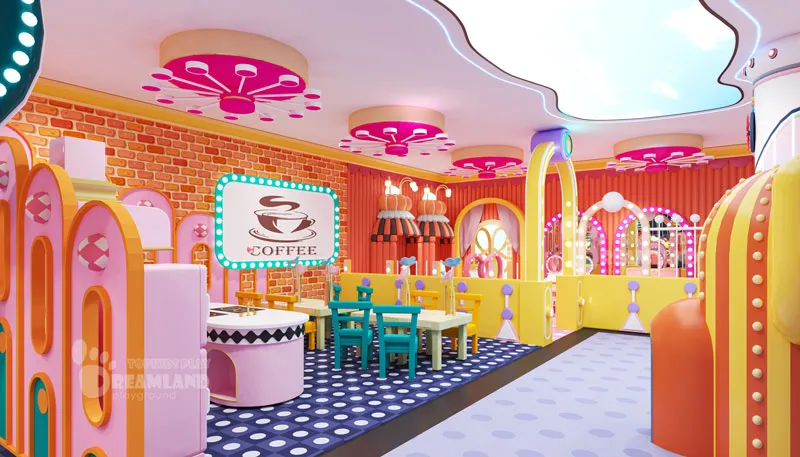
A standard play centre's main point of competition is price, with customers attending based on price. A centre that is themed and designed for specific activities competes mainly on the experience offered. A strong brand identity enables event promoters to command higher ticket prices. They also attract business and school groups and benefit from word-of-mouth advertising via social media.
Protecting Your ROI: Hidden Costs That Impact Profitability
Downtime and Material Quality
One of the hidden costs in the operation of an indoor play centre is the cost of downtime. Unexpected closure can be attributed to various factors, including worn-out play equipment, faulty wiring, and metal fatigue. Each closure will result in financial loss and customer dissatisfaction. Maintenance can be carried out without interruption due to 365 days of continuous operation being achieved through high-quality steel frames and reinforced connectors, along with wear-resistant nets and padding.
While cheaper materials save you money in the short term, inferior materials end up costing you in the long run through maintenance, repairs, inspections, and lost production. Damage to a brand's image through repeated closure may discourage former customers from returning to the venue. Furthermore, these closures can negatively impact the venue's rating when customers post reviews online. This practice also has a negative long-term effect on revenue.
Furthermore, closures also damage the brand, reduce customer repeat business, and have a negative effect on online ratings and have a negative long-term effect on the venue's revenue.
Maintenance Budget Planning
A well-planned maintenance schedule is required for financial security. Typical industry advice is that you should reserve 1 to 5 percent of your revenue annually in a special fund for maintenance. This money will be used to check equipment before there is a problem, to replace worn parts and to ensure safety requirements are still met. Regular maintenance can prevent costly emergency repairs, the latter typically being more expensive and disrupting operations. Actualizing this upkeep methodology moreover implies that the operational life expectancy of the hardware is extended, and there's steady and consistent consumption on operation. Furthermore, customer safety and satisfaction are consistently maintained. A lot of facilities are faced with unplanned capital costs that have a negative effect on both their cash flow and their profits.
Average Payback Period
A review of Dreamland Playground's historical data reveals that indoor play centres generally achieve a return on investment within 18 months. In addition to a well-staffed operation, effective space usage and booking layout are crucial to the financial success of the venue. This includes booking areas for different groups and making staff levels as efficient as possible. Centres with the best possible mix of attractions, coupled with low operational costs, perform significantly better in terms of revenue. Although attractions with low visitor numbers are likely to require more time to repay any initial investment, well-designed layouts combined with efficient use of available space can keep this period to a minimum even when visitor numbers are high.
Conclusion: From Buying Equipment to Building a Profit-Making Ecosystem
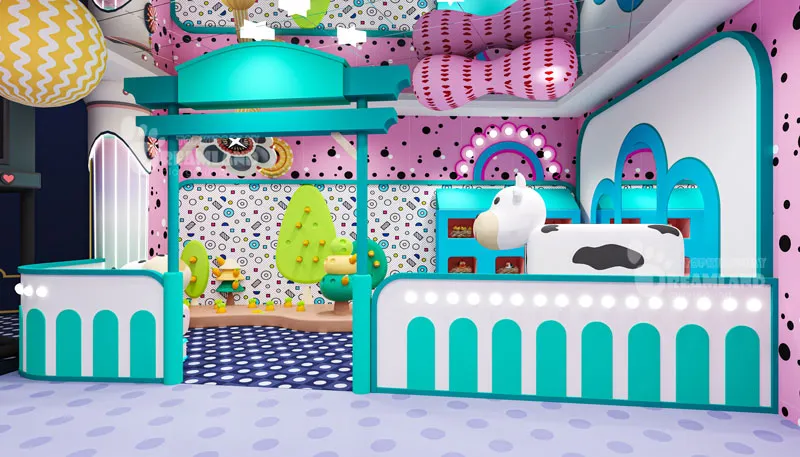
While the initial capital expenditure is a critical factor in determining the profitability of an indoor playground, it is not the sole factor. A more accurate measure of profitability comes from looking at the overall cost control throughout the life of the facility. If unaccounted for at the project planning stage, hidden costs such as excessive maintenance, downtime, insurance premiums, and overtime can substantially delay the project's return on investment. The continuity of a well-designed, indoor play centre is dependent on the operator using well-maintained equipment and a layout that is accessible at all times. The play centre's layout and safety equipment must also be regularly inspected. By prioritising longer-term results over short-term gains, businesses can construct a robust business model that achieves higher returns and has lasting success.
Ready for a 2026 profitability analysis?
Contact Dreamland Playground today for a free customized quote and floor plan assessment designed to maximize revenue, not just reduce upfront cost.
FAQ
What is the average cost per square meter for an indoor playground?
The cost per square metre for an indoor play centre is generally in the region of $250-$500 per square metre. Costs can vary depending on the complexity of the centre and its safety features.
How long does it take to see a return on investment?
In indoor play centres, investors generally break even within 8 to 18 months. This timeframe varies depending on the location, pricing strategy, and operational efficiency of the centre.
Is it cheaper to buy from a wholesaler or a direct manufacturer?
Buying from a supplier rather than a wholesaler or retailer usually proves more economical, allowing greater product modification and conformity to standards.
What are the hidden costs of opening an indoor playground?
The costs to open a business are not limited to initial start-up costs. They can also include such items as upgrades to the heating and air conditioning systems, fire safety equipment, higher insurance premiums, and, in some cases, the cost of training staff.
How does playground design affect labor costs?
Using layouts which allow staff to see what is happening at all times can result in a decrease of twenty percent in labour costs. This reduction is achieved through the reduction in the number of staff needed for supervisory duties.