

Designing the Future: Top Indoor Playground Design Trends for 2026
In 2026, a successful commercial indoor playground design is defined by guest experience and brand loyalty, not just the volume of equipment.What shapes people staying longer, returning, and telling others matters just as much. When too many places open - from trampoline spots to kids’ zones - those who stand still get lost fast. Change isn’t optional; becoming part of someone’s routine means rethinking what draws them in first.
A quick load reveals much. Parents scrolling through options tend to react right away, locking onto the visual summary that pops up. What shows first often shapes which place gets picked - no exceptions. Life feels different when you're parenting today. Open screens fill every corner of home time. A tap on Google Maps shows where the playground is - but so does a photo shared on TikTok. Decisions once kept private now drift into group messages mid-week. A cluttered children's zone that seems outdated can push families away, sometimes before any part stops working.
Come 2026, sharp-looking designs won’t be a bonus - it’ll be what everyone looks for. A well-organized design keeps eyes where they need to be, since colors pull focus softly but surely. Suddenly bright shadows appear frequently, guiding viewers across each frame. What grabs people at first tends to hold them longer, slowly weaving together familiarity and common moments.
In 2026, but real-world experience now counts heavily, decisions are influenced by deeper thinking, even if the surface seems simple at first. Right now in 2026, good indoor playgrounds mix looks with function, using smart layouts that make space easy to move through and open to everyone. How well they work isn’t separate from how they appear - each part supports the other.
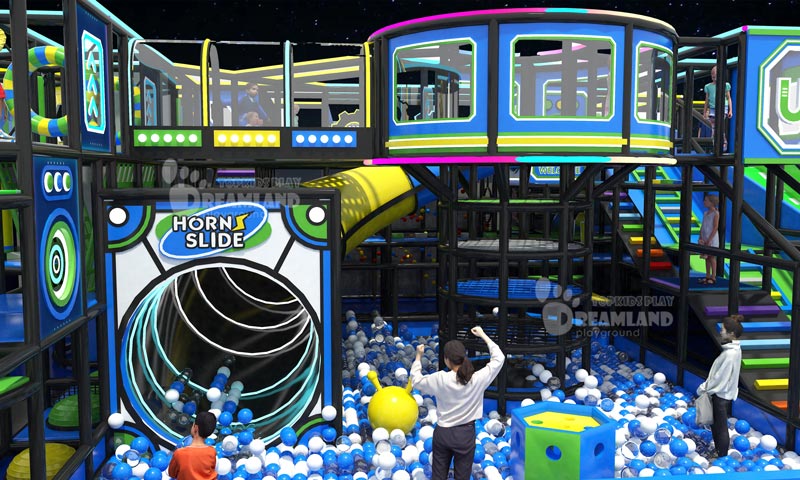
Trend 1: The Cyber-Tech Style (Neon Lights and Futuristic Themes)
A High-Tech World: Using Deep Blues and LED Lighting for a Cool, Modern Look
The Cyber-Tech Aesthetic is the leading trend for 2026, where digital-inspired graphics and LED-integrated play structures redefine the indoor environment.Picture walls painted a deep blue - almost electric - with flickering purple streaks that mimic online activity. Neon strands twist through, followed by shifting light displays that seem to twitch on their own. Out of nowhere, these places appear, mimicking scenes pulled straight from old screen addictions.
When light fades, spaces change through smart LED control. Early mornings bring soft blue hues to help children wake gently. After that, certain zones spark up using rapid shifts between bold colors. Lights flashing fast seem to pull older children's attention. One size does not fit all, even without building extra spaces.
Out here, the playground built on cyber-tech shines through geometric shapes, shiny materials, and lights placed just right - drawing attention where it counts. Twinkling glow after dark, while surfaces react under ultraviolet light, blending surprise with curiosity. When the lights go down, projections come alive on walls, piling layer after layer before young eyes that stare open-mouthed. A snapshot moves quickly across phones, carried by mothers and fathers who pause to laugh together after school ends. Moments of tickles and giggles link them, woven into quick video shares and bedtime routines.
Winning Over Teens: Why This Design is Best for Ninja Courses and Trampoline Zones
Playgrounds often fade out when children reach ten.To maximize ROI, playground operators are adopting futuristic designs to attract older children and teenagers, bridging the gap between traditional play and active entertainment centers. Throw in dramatic elements, say ninja courses or powerful trampolines. Suddenly, teenagers take notice. That blend draws in teens who rarely stick around long enough to notice anything.
Far off, playgrounds full of tech-savvy touches charge steeper fees now. Not just any place grabs attention - older children, notoriously hard to win over, get drawn here. That shift? It lets parents hosting young ones at the edge of childhood earn more from weekend celebrations. Something hums under a glowing panel where shapes shift without sound. Quiet flashes redraw old rules about swings and slides.
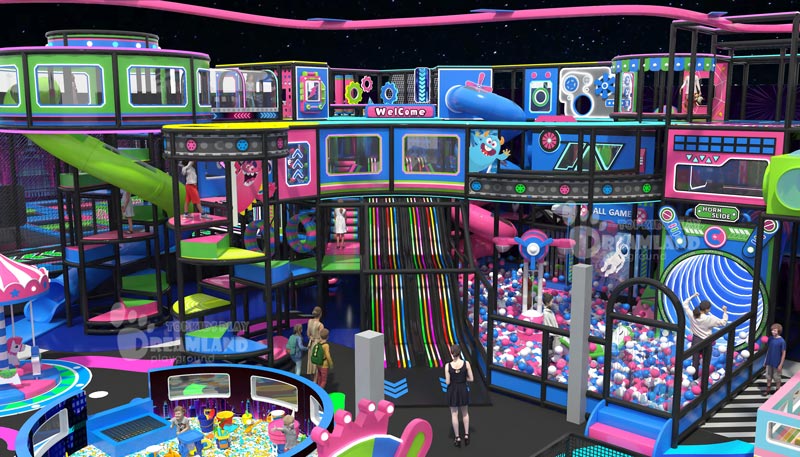
Trend 2: Active Play and Extreme Adventure (Fitness for All Ages)
The Challenge Factor: Adding High-Ropes, Rock Climbing, and Professional Ninja Obstacles
Right now, what's hot in fitness starts shaping indoor playgrounds. Come 2026, those who work best will offer genuine physical effort - drawing busy parents and children alike. Smart safety tools built into climbing walls grab attention quickly. Obstacle-style challenges similar to racing also take up space inside these places. Beyond what people call "fun zones," these parts stretch into set pieces you expect, now part of the pattern.
Change shows up strongest within massive indoor play centers. Families drift here when they stop watching television and begin craving activity alongside discovery, still tied to play that never ends. Not only do these spots keep children active, but also sections like giant climbing frames act like they build skill, under the guise of play, disguised as learning.
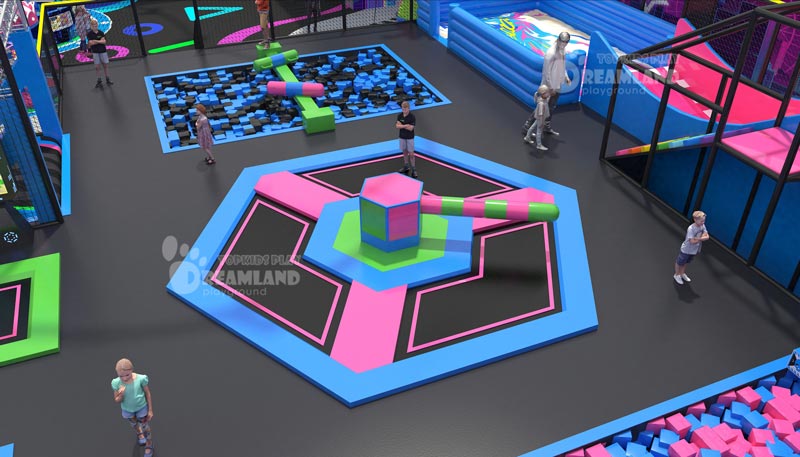
Right off the jump, high-end trampoline spots aren’t just about jumping around. Dodgeball areas pop up inside fluffy landing zones, with competitors soaring and slamming beneath mesh panels near hoop marks. Over there, a stretch could echo climbing challenges - padded bars guide fast moves over wobbly ground. When it's not busy, places get busy again - sports camps arrive, companies bring their crews. After classes wrap up, the area lights up in another way. Challenges set by design spark movement through organized tests.
The Health Selling Point: Why Parents Prefer "Active Play" Over Passive Toys in 2026
People checking out your spot notice kids laughing nonstop while flipping ropes that feel like fitness tools. Raised before phones and tablets, especially millennials and Gen Z parents, they rarely react well to commercials praising calm activities. Their concern about kids sitting still mirrors personal memories, too. Nowhere is it clearer what once served fun now seems missing.
Furnished corners invite movement upward, where high rises meet child-sized steps. Bright toys line paths that twist and lead beneath tall lifts. Small stairs guide little ones forward, while older siblings test strength on hidden challenge routes. Reaching the peak means mastering textured panels or silent sprint ends. Staying longer often follows families playing in different ways. When enjoyment spreads across how old kids are, booking multiple visits at once feels easier, almost routine.
When designers think about well-being, fresh partnerships might form. Areas full of activity tend to pull in specific groups - say, students hunting for field trips, sports teams needing rooms to move, or coworkers searching for energetic shared work areas. Such visitors lean toward spaces that spark action instead of quiet rest.
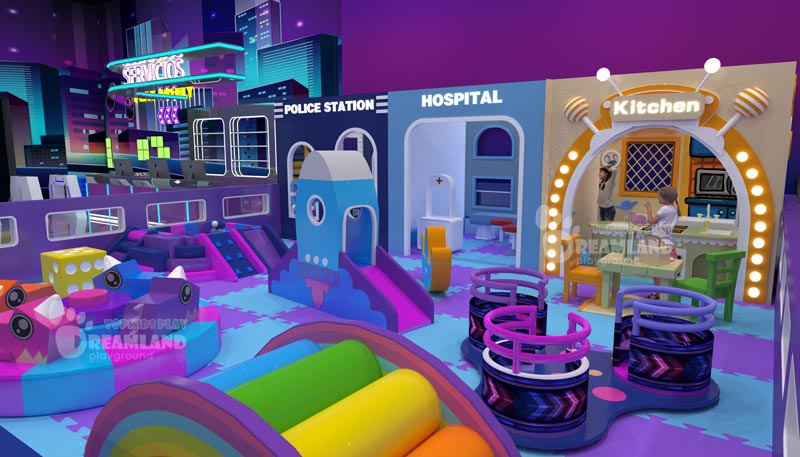
Trend 3: Multi-Sensory Play (Engaging Sound, Touch, and Sight)
Full Immersion: Using Textured Walls, Musical Floors, and Calming Light Zones
Out where work happens, fresh playgrounds shift how children experience things - every detail counts now. Not just sight or sound leads; touch leads, then sensation follows, because layout puts it front and center. Picture rich purple light curling beneath clear sheeting, while tones shift after tapping certain spots. Fingers leave marks on wood after someone runs fingers over bumps near the top of thick foam blocks. Down below, gauzy light flickers where water sprays hit - bubbles climb like dancers toward the surface. Voices drift slow, tangled with echoes that pool under fabric grids fixed with metal bands. Curved shapes, built in loops similar to ocean swells, line the corner edges just behind woven rope frames holding soft chairs. Every zone shifts how deep, fast, and often it goes - making sure nobody falls behind.
Step inside a large indoor play zone, where children discover objects rarely spotted outside. As they move, the walls produce sounds tied to touchable controls - shifting each time through the cycle. Darkness shifts too, not by press or turn, yet it activates glow after dark. Out here, moods shift in ways kitchens never show. Warmth dips into spaces that feel chilly despite open doors. Each place acts like it is lit by a different sun, even when shadows fall alike.
Implementing inclusive design and sensory-friendly zones for children with autism is no longer optional; it is a key differentiator for top-tier parks in 2026.Such adjustments welcome diverse groups while revealing attention for families - this gentle act builds deeper confidence among moms, particularly those facing steep daily challenges.
Inclusive Design: How Sensory Rooms Make Your Park Welcoming for Kids with Special Needs
Out in playgrounds today, dedicated sensory rooms stand out as a key design choice for 2026. Not just play areas, they offer changing light moods, soothing hues like pale blue and green, deep pressure stimuli items, quiet retreats, along with gear built for sensory benefit.
It makes sense to design spaces that include sensory needs, yet it goes further than doing what's right. Parents of kids with sensory challenges often find few places where they can truly participate. If your center works well for them, trust grows fast - repeat visits become common, along with word-of-mouth spreading through medical circles and advocacy networks.
Some companies bring in occupational therapists early on when planning spaces, helping shape elements that truly support sensory needs. Because of this, outreach to schools, therapy offices, and groups focused on ability often leads to focused services - and steady income - that others find harder to replicate.
Trend 4: Nature-Inspired Spaces (Eco-Friendly and Calm Colors)
Bringing the Outside In: Using Wood, Plants, and Soft Earth Tones (Beige and Sage Green)
Bringing the outside in through wood plants and earthy shades, beige paired with sage green
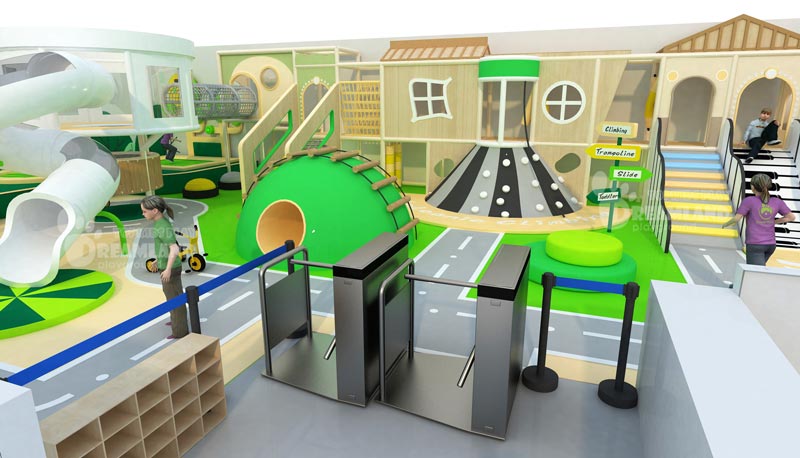
While cyber-tech styles grab attention online, nature-based play areas draw in parents who care about sustainability. Wood accents, real green walls, curved lines, and shades like mossy gray or sun-kissed brown shape these spaces. Colors often echo desert hues - terracotta, pale blue, dusty orange - grounded by warmth rather than screen glow.
Out in the open, play areas built with nature feel soothing yet keep kids actively involved. These spots tend to calm parents down, especially when watching little ones explore. A soft landscape setting often means adults stay longer without noticing time slipping away. Though flashy digital displays draw crowds too, green-scaled versions pull another kind of audience just as needed.
Wooden playsets that stand out in quality last longer than plastic ones, even if you don’t notice right away.
A good swing set made of real wood keeps working year after year, gaining character instead of deteriorating. With regular care, timber play areas beat out cheaper imitations at surviving seasons. People see the difference and tend to expect more - like safer surfaces or better upkeep - which means earning extra income through entry fees. Your spot becomes known for standing apart without needing bright colors or loud logos.
The Eco-Conscious Parent: Why Non-Toxic and Sustainable Materials Build Customer Trust
Playground design that lasts often mirrors what parents now worry about - how nature gets affected and whether kids encounter harmful substances. Paints labeled safe for sensitive children, shredded tires reused in soft ground layers, eco-friendly lumber choices, plus lights that sip less power spark trust among parents who care for the earth. These details don’t just work; they speak without words.
Proof of green effort shows up in third-party certs like LEED, FSC-verified lumber, or Green Guard approval. Because of these, your playground stands out where others blend in. It might also earn city-backed grants or lowered taxes - perks regular play spaces do not get.
Out in the community, links form with groups focused on green ideals - like parks trusts, forward-thinking schools, and eco-active clubs. Attention follows these ties, via unique happenings, word-of-mouth, and new users finding their way through doors once reserved for local play areas.
Trend 5: "Phygital" Design (Where Physical Play Meets Digital Games)
Interactive Attractions: Using Projectors to Turn Slides and Ball Pits into Live Games
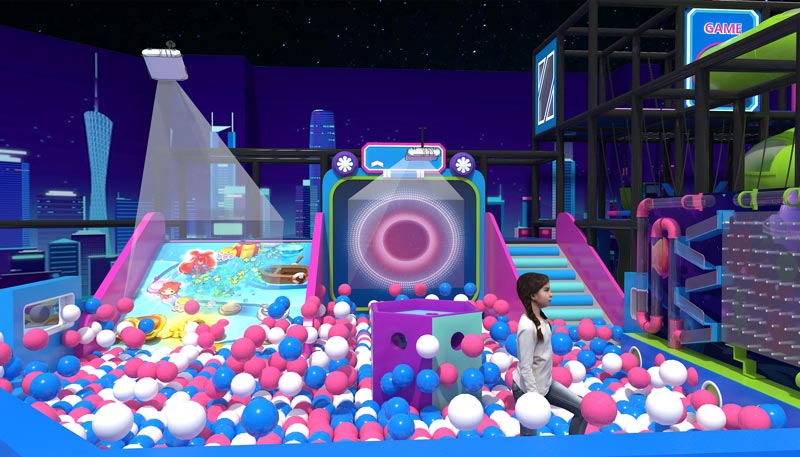
Out here, real-world moments blend with screen-based life in a way few expected. Not far from town, lights dance across metal bars where kids chase glowing shapes after climbing up. Slides now unfold as stages for shifting colors and rhythmic patterns, chasing movement. Walls once silent now respond to touches, turning ascent into puzzle-solving mid-climb. Even toy-filled pools get new energy through cameras that follow play, reshaping what happens inside.
Out here, digital worlds meet playgrounds where kids run, jump, toss - mixing clicks with kicks. Screen life doesn’t vanish; it shifts into moving stories that grow with devices. Updates pop up without warning: fresh games arrive online, holiday moods snap into place on their own, one-time festivals lock in moments fast.
What makes interactive playground tech stand out isn’t just flash. It gathers info on how people use spaces, which rides draw crowds, and what habits show up. That kind of clarity shapes smarter daily decisions plus focused promotions - something old structures could never pull off.
Digital Leaderboards: Encouraging Repeat Visits with Digital Timers and Score Tracking
Phygital playground design combines physical structures with digital interaction. Examples include:
- Slides projected onto the screen
- Interactive ball pits with motion sensors
- Digital climbing walls that respond to touch
What stands out is how regular machines now act like changing displays, wiping away dullness while making returns exciting. Leaderboards, time trials, and score tracking introduce competitive elements that encourage:
- Back again and again
- Group challenges
- Membership engagement
Looking at business goals, phygital designs make it practical for companies to earn from digital upgrades instead of regularly swapping out physical devices.
Trend 6: Modern Minimalism (Clean Layouts for Better Safety)
Stylish Palettes: Replacing Rainbow Colors with Trendy Macaron or Neutral Tones
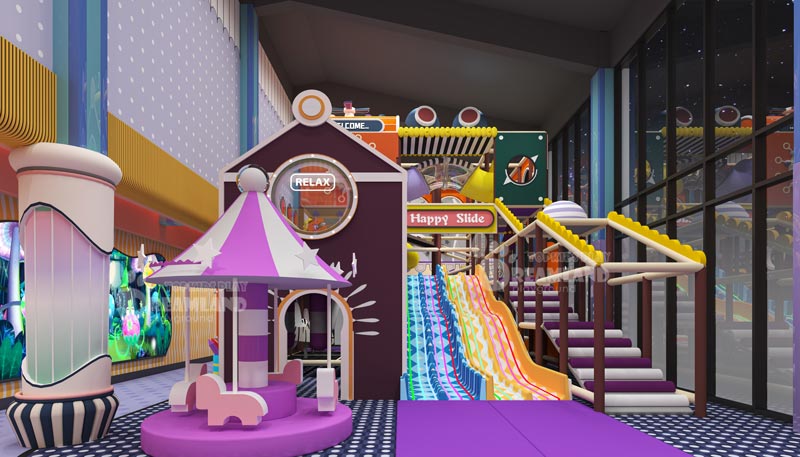
Nowadays, inside play areas are losing their busy look. Simple designs now rely on
- Macaron color palettes
- Neutral base tones with accent highlights
- Clear zoning and signage
Better looks come alongside easier movement and clearer choices. Safety steps fit in without drawing attention. A cleaner layout helps people find what they need fast.
Visibility for Parents: Open Designs That Allow Parents to Watch Their Kids While Relaxing
Parents gain clarity through open layouts that boost comfort while still allowing supervision. Open sightlines let parents keep an eye on kids without leaving the coffee zone or seating spot. That setup brings along:
- Parental comfort
- Length of stay
- Food and beverage sales
With fewer parts piling up, keeping things tidy becomes easier. Maintenance slips away without notice, and cleaning takes less time when spaces stay stripped down. Upgrades down the road? They slide in smoothly through simpler layouts.
Conclusion: Build a Future-Proof Park with Dreamland Playground
Safety remains the foundation of innovation. Dreamland Playground ensures all custom designs comply with international safety standards, including ASTM F1918 (North America) and EN 1176/1177 (Europe).
Expert Turnkey Solutions: Why Over 5,000 Projects Trust Dreamland
With thousands of completed indoor playground projects worldwide, Dreamland Playground provides:
- Market-driven design strategy
- Custom 3D layouts
- OEM/ODM manufacturing
- Installation and after-sales support
Starting fresh or upgrading what's already there, Dreamland Playground supports building an indoor play center that handles well under financial and daily demands.
FAQ: Indoor Playground Design Trends for 2026
Q1: How Do I Choose the Best Design Style for My Local Market?
Figure out who you’re aiming at - age, location, what they like - and check how much space you really have. Compare it to what others are doing nearby, too. Trends work better when someone familiar with the area shapes them around real needs. Sometimes a local expert sees patterns you might miss.
Q2: How does Dreamland ensure safety compliance for adventure play equipment?
True, if zoning makes sense and builds following ASTM plus EN rules for safety. Height zones matter just as much as shifting play levels when kids grow.
Q3: Can a Multi-Sensory Room Increase Revenue?
True that is. New families start visiting after school teams share the space. Kids from different neighborhoods come when local therapists bring materials weekly. Staff notice more families returning once they see how calm children become inside.
Q4: Why Are ASTM and EN Standards So Important in 2026?
They shield operators from legal trouble, help secure insurance coverage, and show parents and investors that efforts are serious.
Q5: How Can Dreamland Playground Support Custom Designs in Small Spaces?
Over tight city spots, Dreamland Playground builds playful dens that pack in fun without swallowing space. Modules snap together, delivering thrills on smaller plots. Each corner works hard, delivering joy per square foot.