




Birthday Party Rooms, Cafes, and Memberships: FEC Revenue Add-Ons
For many Family Entertainment Centers (FECs), ticket sales and general admission represent the bulk of a center’s revenue. While operating a successful restaurant or offering games for public play to generate ticket sales can be a winning model, this model can also be affected by natural seasonal lows, weak school holiday periods, and general changes in customer traffic patterns. To address this, operators have created FEC revenue add-ons to increase revenue before, during, and after a guest visits a center.
Some of the most common family entertainment center revenue streams include FEC birthday party rooms, an FEC cafe, and family entertainment center memberships. To ensure the highest possible returns from these types of add-ons, you must design them in a way that complements your typical visitors and increases the amount of money they spend before, during, and after a visit.
When planning and operating these individual features, it is helpful to think of them as part of a total “ecosystem” that works together as a single facility. Indoor playgrounds with party rooms that sell food and drinks in the FEC cafe can sell party packages to families that include a membership to the indoor playground. These families then become repeat visitors who will spend money on food, snacks, and even premium attractions on every visit.
In this guide, we’ll examine ways to increase the indoor playground revenue of your family entertainment center, explore the best revenue add-ons for an FEC, and explain how party rooms, cafes, and membership programs can work together to form a sustainable business model.
What Are FEC Revenue Add-Ons and Why Do They Matter?
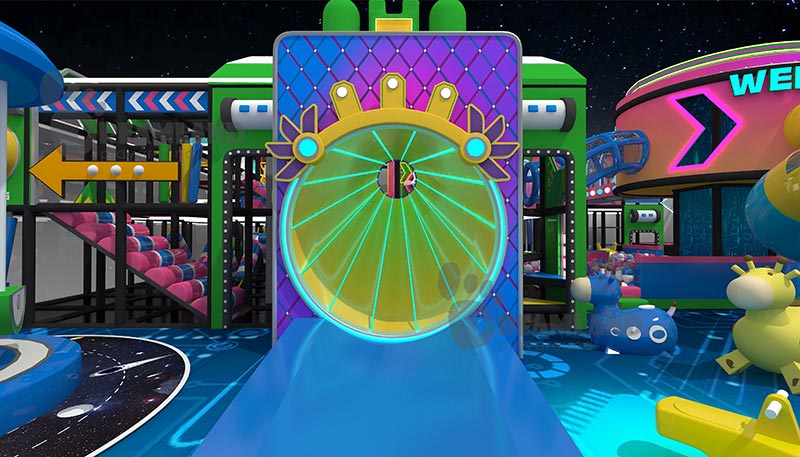
FEC revenue add-ons are additional services that enhance the guest’s experience at your family entertainment center and can bring in money beyond general admission. They are meant to complement your core attractions, such as an indoor playground, trampoline parks, climbing walls, and an arcade, rather than replace them.
These add-ons are intended to give guests more reasons to visit, stay longer at the facility, and come back more often. Families come in for open play and then stay for the food or the party area, or sign up for a membership that gives them unlimited or discounted visits to the facility.
Family entertainment centers with a variety of add-on revenue opportunities may also find that these add-ons provide a steady stream of money to complement admissions. During slow periods for walk-in admissions, such as weekdays during the school year, venues might also experience slow periods for birthday party bookings. Food and beverage services and FEC membership programs can help drive additional steady revenue. This means venues are no longer dependent on admissions revenue alone and can create a variety of FEC ancillary revenue opportunities.
It is important to remember that a successful add-on at a Family Entertainment Center will reinforce the way guests currently interact with the facility. FEC party rooms are a valuable add-on when there is strong demand for children’s birthday parties in the local market. An FEC cafe could be a very profitable add-on if the typical guest spends 3 or more hours at the venue during a visit. An indoor playground membership will be very successful when there are many good reasons for families to visit the playground regularly (i.e., constantly changing activities, seasonal themed events, member-only specials, etc.).
The strongest revenue streams for indoor playgrounds are created when a variety of programs and services are designed to support each other. By thinking about all the different ways that party packages, food and beverage sales, and memberships can be marketed as part of a complete guest experience, indoor playgrounds can increase their bottom line while also creating a better experience for their guests. In the end, the key to creating the right mix of programs and services is to ensure that they increase the amount of money a guest spends at a family entertainment center and create repeat customers by building customer loyalty that will support long-term growth.
How Should Birthday Party Rooms Be Planned for an FEC?
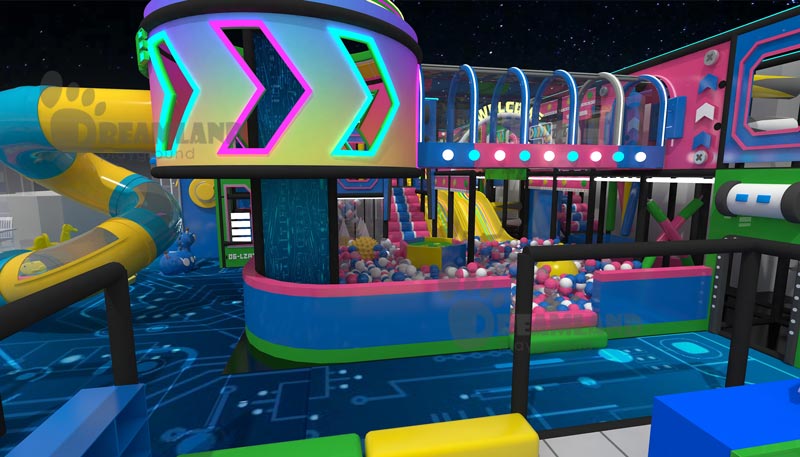
A well-designed FEC birthday party room can be much more than just a room for parties. The location of the room, the size of the room, and its design and operational elements can all have a major impact on how efficiently staff can operate and serve the parties held in the room. The number of parties that can be held each day will also be affected by the design of the party rooms. To maximize the return from FEC birthday party rooms, they must be designed to support higher-priced FEC party packages.
Location is probably the most important design factor for successful FEC party rooms. One consideration is how close the party room is to the heart of the FEC. If the party room is too far from the play areas and attractions, kids might lose interest during the transition to the party location. On the other hand, rooms that are too close to active play may have too much noise. Proximity to the restrooms, the FEC reception area, and the FEC cafe for food, cake, and refreshments is also essential. This helps minimize service time and create a better guest experience.
Typically, rooms are sized based on the average number of bookings a center receives for parties of a certain size. As mentioned before, a single large room can be a poor design because it will sit unused when a center receives mostly small bookings from families celebrating a birthday with dinner. A flexible design with movable partitions or adjoining rooms of different sizes will get the most use and achieve the highest booking rate.
Features such as permanent storage for tables, party decorations, sanitation supplies, and entertainment equipment help speed up setup times and keep the public area clean and organized.
Guest flow is also an important element when designing a party room. As a rule of thumb, a successful party has a fixed sequence of activities: check-in, playtime, eating and celebrating with cake, unwrapping presents, and finally, departure.
Consider food service when planning. Will meals be served from an FEC cafe or a central kitchen? Either way, the design of the party rooms must include staff access for setup and cleanup after parties. Guests using the main attractions of the center should not be able to see or be distracted by staff preparing a meal in a party room.
The design of the party room must support the operational plan. This will depend on the time available to set up and clean the room between the previous party and the check-in of the next party. The entertainment center party packages will also affect the requirements for furniture, the food and drinks served in the room, and the number of staff required to serve the party.

What Makes an FEC Cafe Work for Families and Operators?
To create a successful FEC cafe, the cafe must complement the family entertainment center and NOT compete with it. Families will rarely come to a family entertainment center for dinner. They want a convenient place to have a cup of coffee, a bottled drink, or a packaged snack so they can stay longer at the center, keep their kids energized, and enjoy their visit.
The right concept for a cafe at an FEC depends on several factors, such as the size of the facility, guest demographics, length of stay, and operational capacity. For example, a 10,000 sq. ft. facility with an average stay of 1–3 hours might work best with a simple counter where guests can order and pick up items such as coffee, bottled drinks, packaged snacks, hot pizza slices, etc. It may also offer light meals and finger foods that can be easily eaten while watching the kids play.
Larger centers with a steady flow of regular visitors, such as frequent birthday party guests, may support a full-service cafe. These cafes are designed to be profitable on their own, support the FEC’s party packages, and possibly attract outside customers for breakfast or lunch. As with any food service, however, a wider menu requires more equipment, staff, storage, inventory, and quality control. You must first determine whether there is enough demand to support the higher operating costs.
When designing seating for your FEC cafe, remember that most parents would like tables with a view of the soft play area. This allows them to sit and keep an eye on their kids. The FEC cafe seating should be comfortable and ideally located near the attractions within the center. This can encourage guests to stay longer and create more opportunities for them to purchase food and beverages while they are seated and enjoying themselves.
The ordering process also plays a key role in customer satisfaction. By making the service point clearly visible at the entrance of the cafe while also allowing guests to collect food and beverages easily, FECs can reduce congestion during busy periods, such as Friday nights and weekends. Offering self-service beverages, using digital ordering systems, or creating clear pick-up points can increase staff productivity and reduce customer waiting times.
How Do FEC Membership Programs Encourage Repeat Visits?
By offering a well-designed membership, family entertainment centers can change how customers view visits to their center. Families who sign up for a membership see the center as part of their regular recreational activities. To create a successful membership, the terms must fit the habits and budgets of local families, as well as the center’s capacity to serve members.
The most effective indoor play center membership programs provide a “value proposition,” meaning that all the features of the membership work together to create value for the family. In addition to unlimited admission, members may receive discounts on food and beverages, easier reservations and birthday party planning, occasional guest passes, or access to special events. Families are buying more than just discounts—they’re buying convenience.
It is also important to understand customer behavior and create a membership program that offers the right value for your guests. For families who regularly visit your venue (e.g., every week), an unlimited or frequent-access membership is very attractive. Families that do not visit as often (e.g., every 4 weeks) may prefer a more flexible membership with a monthly visit allowance and added convenience. For both customers and operators, this type of membership offers more value.
In addition to ensuring that membership programs operate within a venue’s capacity to deliver high-quality experiences for frequent guests, it is also important to manage the program so that regular members support the business rather than create an overcrowded experience. This can be achieved in several ways. During peak periods, for example, some benefits may be limited to prevent too many members from attending at the same time. In other cases, venues may require members to reserve a specific time to access certain high-demand attractions or apply access rules on weekends and public holidays.
Creating and offering new reasons for repeat visits also encourages membership renewal. Seasonal events and activities, updated attractions, special member events, and occasional exclusive offers all give families reasons to return to your facility, which will support the long-term success of a family entertainment center membership program.
The most effective family entertainment center membership program includes many features that are valuable to local families. In the end, it makes the most sense when it creates a strong connection to the indoor playground and generates the highest return for the center from each member visit, including spending on other revenue sources by the member and their children.
How Can Party Rooms, Cafes, and Memberships Work Together?
When we talk about adding revenue to an FEC, the most successful add-ons are connected and form an ongoing process that encourages repeat visits, which in turn increases customer lifetime value. Birthday party rooms, cafes, and memberships each have a separate purpose and way of generating add-on revenue, but they work together to create a complete guest experience.
For many families, their first visit to an FEC will be for a child’s birthday party. The child enjoys playing at the different attractions while the parents appreciate a well-organized venue with good-quality food and drinks served in a clean and welcoming environment.
The value of an FEC membership improves the experience children have at the venue, making repeat visits a normal activity rather than an extra expense for families.
The cafe at a family entertainment center can also play a large role in a guest’s experience. A guest who stops for a soda or snack while enjoying open play at the facility becomes more willing to extend their visit. This also allows party guests to enjoy the quality of the food and the convenience of having it available at the facility for their celebration.
Party bookings help create predictable demand for event staff and food preparation for all types of parties. Members help drive repeat visits throughout the year, and open-play guests stay at the facility for longer periods, creating more opportunities to offer them refreshments. Regular daily business helps maintain steady cafe sales during periods with fewer special events.
The key is to understand how each function of your venue can strengthen your advantage by creating a complete experience. Parties bring in first-time guests who become repeat visitors. Repeat visitors become members. Loyal members book new birthday parties and spend money on food and beverage upgrades for their family and friends. By viewing each part of your venue from this angle, you can create the best possible guest experience while also building a sustainable business model.
What Space, Staffing, and Technology Do FEC Revenue Add-Ons Require?
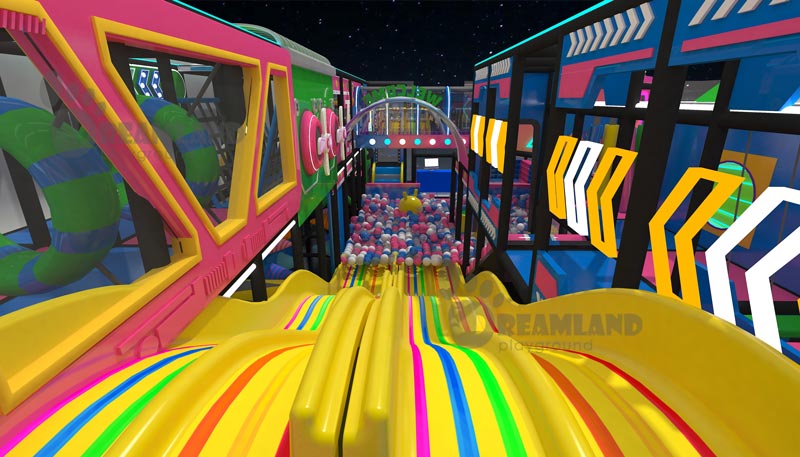
Beyond deciding how many entertainment options to offer, FEC operators must design revenue areas to provide as much value as possible for customers while also generating enough cash flow and a sufficient return. FEC birthday party rooms, cafes, and membership services will also determine how much floor space is needed for storage, guest movement, and back-of-house operations.
In other words, operators must plan storage for party supplies used in decorated rooms that need to be cleaned quickly; areas to prepare and store food; space for ingredients, refrigeration, and waste management; an organized system for delivering different types of food to tables; and a membership check-in area that does not block guest movement through the center.
When it comes to staffing and technology, the way you manage and process add-ons can be just as important as the add-ons themselves. Party packages require the ability to manage different packages and their add-ons for each party, manage room cleaning after each party, and provide enough storage for party supplies.
Food service requires menu preparation, refrigerated food storage, waste disposal, and efficient delivery of food to guests. Membership processing can take place at a reception area and may require check-ins throughout the day. Managing all these different processes and add-ons requires clearly defined roles and cross-training for peak periods.
An integrated POS system, online booking platform, digital waivers, and customer database can connect admissions, party reservations, food sales, and memberships into one workflow. This can increase efficiency, reduce administration, and provide FECs with valuable operational data to manage their ancillary revenue.
How Should FEC Operators Price and Measure Revenue Add-Ons?
It’s difficult to offer suggestions for pricing FEC revenue add-ons because pricing depends on many factors, such as the value offered to customers, the cost of providing the add-on, competition in the local market, facility size, and overall market position. A premium Family Entertainment Center may be able to charge more for party packages or memberships than a smaller facility in the local market, but a simple snack counter will not charge the same prices as a full-service cafe serving meals in a Family Entertainment Center. The goal of add-on pricing is to allow the center to make a reasonable profit while keeping prices competitive in the market.
Instead of using general revenue targets, use standard business metrics to measure the performance of your add-ons. Examples include the booking rate of party rooms, the average transaction value for customers who use add-ons, the percentage of membership holders who renew, the amount of food waste in each time period for inventory management, the number of labor hours needed to support add-ons, and the add-on conversion rate (i.e., the percentage of customers who purchase add-ons after paying for admission).
Which FEC Revenue Add-Ons Are Right for Your Facility?
A variety of FEC revenue add-ons are available, and not every Family Entertainment Center needs to use all of them. When deciding which FEC revenue add-ons to offer, Family Entertainment Centers need to review their individual business model. For example, a large birthday party room is usually best suited to a Family Entertainment Center with many younger children and a high number of party bookings. An FEC cafe can be a valuable add-on for facilities where kids spend a long time. An FEC membership is a powerful tool when you have a high rate of repeat customers and can handle the repeat traffic. Factors such as the physical location of the Family Entertainment Center, available floor space, staff, experience, and the budget for add-ons should be considered when deciding which area to focus on first.
There is also an important point to consider when adding different types of FEC revenue add-ons. As mentioned above, it is best to launch one highly productive FEC add-on first and then add more as it gains momentum. This allows operators to understand the market, improve the add-on’s workflow, train FEC staff to sell the new add-on, and measure demand. Using the example above, a new Family Entertainment Center would likely open with dedicated FEC birthday party rooms as the main focus, followed by a simple cafe to serve guests who are already on-site and, later, a membership program for regular visitors.
Conclusion
When planning the right add-ons for your Family Entertainment Center, the best mix of additional revenue streams will complement your core attractions and strengthen the experiences your guests enjoy at your center. To choose the right add-ons, operators must consider the details of their center, including the target market, available space, staff, operational systems, budget, general business model, and the specific experience they want to create for guests.
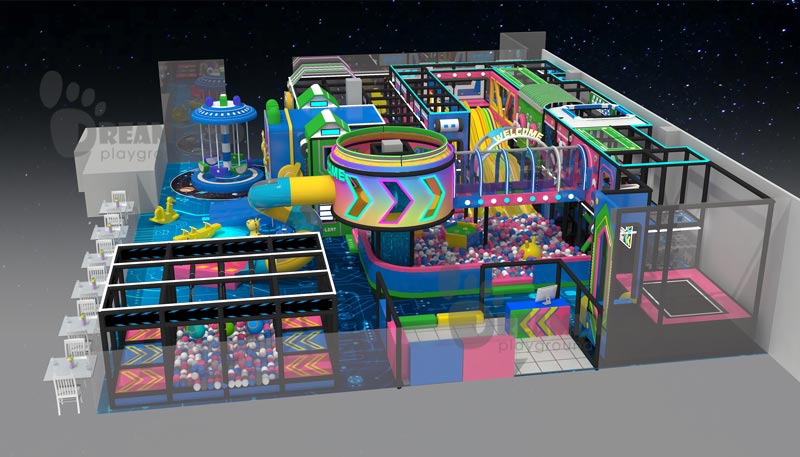
If you are opening a new facility or renovating an existing one, consider reserving areas for revenue-generating services during the early design stages. We would be happy to plan the most efficient party rooms, cafe, membership offices, etc., together with the core attractions and required equipment as part of an initial feasibility study based on the floor plan, customer profile, attraction preferences, and business goals of the future family entertainment center. This will help the facility open as efficiently as possible from the very start. Contact us with the plans, and we will get started!
Frequently Asked Questions
What are the best revenue add-ons for a family entertainment center?
Birthday party rooms, cafes, and membership programs are among the most effective because they increase guest spending and encourage repeat visits.
How many birthday party rooms does an FEC need?
It depends on your expected party bookings, available space, and staffing capacity. There is no fixed number.
Does every family entertainment center need a full-service cafe?
No. Many FECs operate successfully with a simple snack and beverage counter instead of a full-service cafe.
How should an FEC membership program be structured?
Keep it simple, easy to understand, and aligned with local customer visit habits and your facility’s capacity.
Should revenue add-ons be planned before the FEC equipment layout?
Yes. Planning them early ensures efficient space use, guest flow, staffing, and operational design.